



- Authorities in Tompkins County, New York, have reopened a criminal investigation into allegations of a 2024 sexual assault at Cornell University.
- A recently filed civil lawsuit alleges seven members of the now-defunct Chi Phi chapter assaulted a 20-year-old student after she was incapacitated.
- Attorneys for the plaintiff say digital communications among fraternity members were not adequately investigated during the original inquiry.
- Cornell disputes claims that students involved received essay-writing assignments as their sole disciplinary consequence.
- Prosecutors are now reviewing the case and available digital evidence for possible criminal charges.
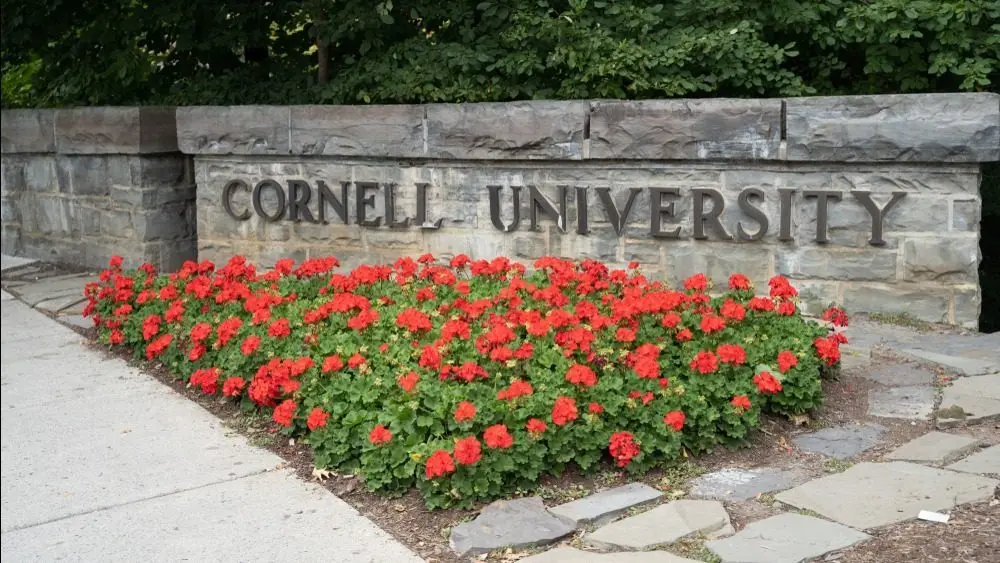
Law enforcement authorities in central New York have reopened a criminal probe into allegations that a 20-year-old female student was drugged and gang-raped at a Cornell University fraternity house in 2024. The decision by the Tompkins County District Attorney’s Office follows intense public reaction and political scrutiny after a civil lawsuit was recently filed regarding the matter. The university confirmed the official reopening of the investigation into the allegations involving the now-defunct Chi Phi fraternity chapter.
Cornell University supports the decision of the Tompkins County District Attorney to provide an opportunity for the victim’s story in the 2024 Chi Phi fraternity sexual assault case to be heard by a criminal grand jury.
Our statement: https://t.co/FIW8I8JYlU— Cornell University (@Cornell) September 28, 2026
https://platform.x.com/widgets.js
The legal filing details severe claims against seven members of the fraternity, alleging the victim was incapacitated through forced substance consumption before the assault took place. Attorneys representing the plaintiff contend that critical evidence was previously ignored by investigators, pointing to digital communications among members. Counsel noted, “They were given the group chat inviting the members of the fraternity to rape my client. This was a critical piece of evidence supporting that a crime had occurred. Despite this there was no follow-up with Ms. Doe either by the Cornell Police or the Tompkins County District Attorney.”
Institutional responses and initial handling of the disciplinary process have drawn significant community and public figures’ criticism. In response to public outrage regarding the administrative consequences for involved students, university officials pushed back on characterizations of the disciplinary outcome. University representatives clarified the administrative record, with Vice President Joel M. Malina stating in previous releases and university communications officer Joel Kimball noting, “None of the individuals charged were offered the opportunity to write essays as a sole consequence of their involvement.”
So, it took PUBLIC OUTRAGE for prosecutors to reopen the investigation of the Cornell gang rape case???😡😡😡 pic.twitter.com/uip5AlfB6O
— Stephen Corvair ™ (@StephenCorvair) September 29, 2026
https://platform.x.com/widgets.js
Here are the Cornell 7, the gang rape case has reopened. If they weren't students at an ivy league school, with some of them coming from money, this case would have already gone to trial.
Your Thoughts pic.twitter.com/hVimX4y5Cw
— Lovable Liberal and his Old English sheepdog (@DougWahl1) September 28, 2026
https://platform.x.com/widgets.js
whoa! public outrage and great journalism by these students at @Cornell made a difference! check this out…https://t.co/iTlCO2Z8EW
— Leslie Marshall (@LeslieMarshall) September 28, 2026
https://platform.x.com/widgets.js
Local authorities and university representatives indicate that full cooperation will be provided as district prosecutors review all available digital evidence and case files. While civil litigation against the university and fraternity members remains ongoing, the renewed criminal probe allows law enforcement to re-interview key parties and evaluate potential criminal charges.
Editorial credit: Amy Lutz / Shutterstock.com