



Anna Zvereva from Tallinn, Estonia, CC BY-SA 2.0
- Flydubai Flight FZ1073 was traveling from Dubai to Tel Aviv on Wednesday when a violent incident erupted inside the cockpit.
- Israeli officials and passengers say the first officer stabbed the captain and apparently attempted to crash the Boeing 737 MAX.
- Flight-tracking data showed the aircraft losing more than 14,000 feet in roughly 30 seconds during one of its plunges.
- The aircraft transmitted both 7700, signaling a general emergency, and 7500, the international code for unlawful interference or hijacking.
- Passengers and crew entered the cockpit, subdued the alleged attacker and helped regain control of the aircraft.
- The flight made an emergency landing at Tabuk, Saudi Arabia. The passengers later continued to Israel aboard a replacement aircraft.
- The motive has not been officially established, and authorities are investigating whether the incident was a premeditated terrorist attack.
KLZ News — What began as a routine flight from Dubai to Tel Aviv turned into a terrifying fight for survival Wednesday when a violent struggle inside the cockpit sent a Boeing 737 MAX plunging thousands of feet toward the ground.
Flydubai Flight FZ1073 ultimately landed safely in Saudi Arabia after passengers and crew members intervened in what Israeli officials have described as an apparent attempt by the plane’s first officer to crash the aircraft.
The airline has confirmed that an “altercation” occurred on the flight deck and that crew traveling aboard the aircraft helped secure the plane. The precise motive behind the attack remains under investigation.
A Sudden Plunge
Flight FZ1073 departed Dubai International Airport Wednesday morning bound for Ben Gurion International Airport near Tel Aviv.
Public flight-tracking data show the aircraft cruising at approximately 34,000 feet when it suddenly began a violent series of altitude changes.
Flightradar24 reported that during one especially severe descent, the jet fell from approximately 30,875 feet to 16,750 feet in only 29 seconds — a loss of more than 14,000 feet.
Between 05:22:07 and 05:22:36 flight #FZ1073 dropped from 30,875 feet to 16,750 feet (-14,125 feet in just 29 seconds)
— Flightradar24 (@flightradar24) September 30, 2026
Video recorded by passengers captures the confusion inside the cabin immediately after the rapid descent. Screams can be heard as people struggle to understand what is happening.
Another video clip taken by a passenger aboard the flydubai flight from Dubai to Tel Aviv shows the plane taking a rapid plunge. According to flight tracking data, the plane dropped more than 14,000 feet in under 30 seconds.
— Emanuel (Mannie) Fabian (@manniefabian) September 30, 2026
Emergency — Then a Hijacking Code
The aircraft eventually transmitted a series of emergency signals that dramatically raised the stakes for authorities watching from the ground.
Flight 1073 first transmitted transponder code 7700, the international signal for a general aviation emergency. Minutes later it switched to 7500 — the internationally recognized code indicating unlawful interference aboard an aircraft, commonly associated with a hijacking.
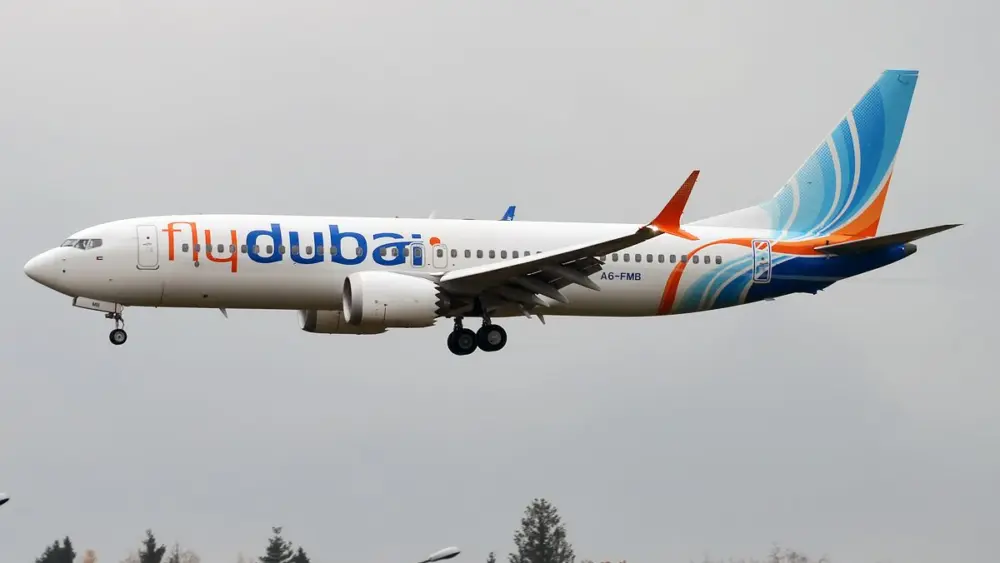
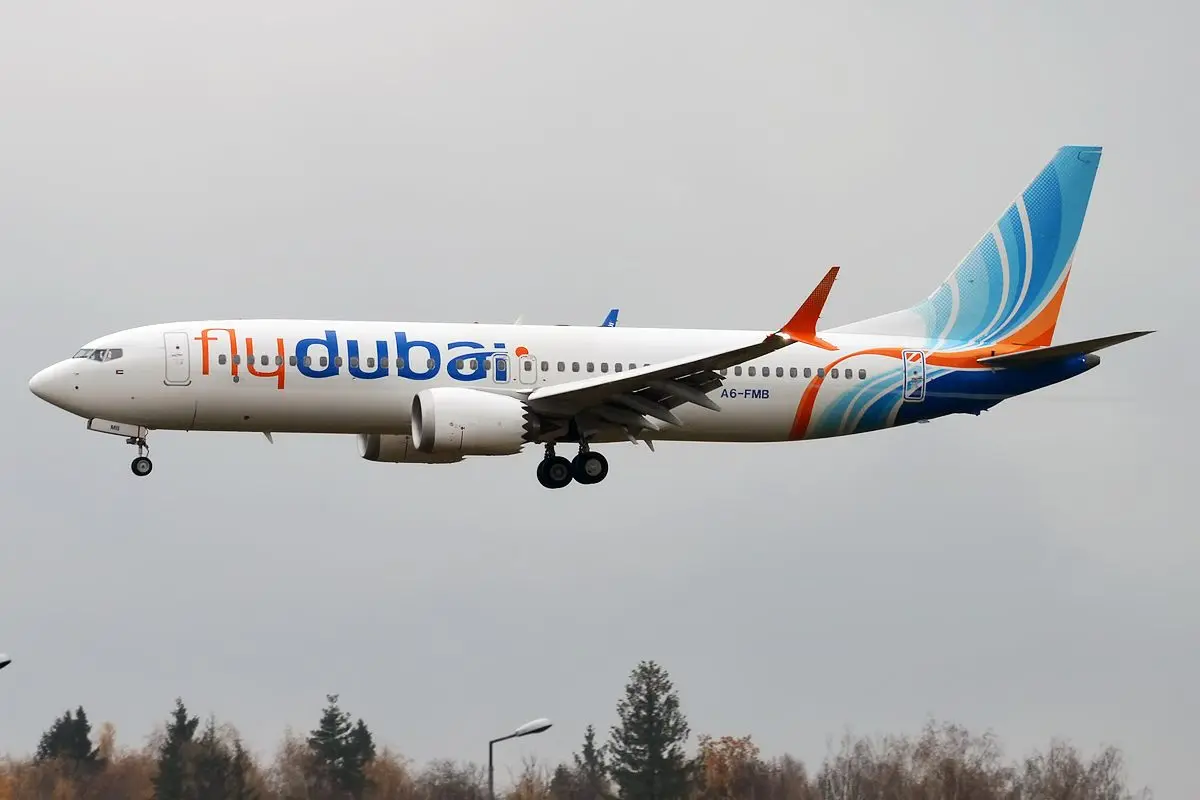
Flydubai flight #FZ1073, a Boeing 737 MAX 8, registration number A6-FKF, flying from Dubai to Tel Aviv, diverted to Tabuk, Saudi Arabia, following an onboard security incident.
— Flightradar24 (@flightradar24) September 30, 2026
Israel scrambled military aircraft as officials attempted to determine whether the passenger jet had been hijacked.
Violence Inside the Cockpit
The picture that emerged after the aircraft landed was extraordinary.
Israeli Prime Minister Benjamin Netanyahu said one of the pilots stabbed the other pilot and then “apparently tried to crash the plane” with the passengers aboard.
Passenger accounts indicate the captain, identified in multiple reports as Indian national Smit Machchhar, was badly injured during the attack but was able to help provide access to the cockpit before collapsing.
A crew member and several passengers then entered the flight deck and confronted the suspected attacker.
Passengers described fighting with and restraining him while others attempted to stabilize the aircraft.
One of the Israeli passengers who subdued the pilot-hijacker on board flydubai FZ 1073 told PM Netanyahu that the stabbed captain managed to open the cockpit door before collapsing. This enabled the passengers to enter and seize the attacker.
— Ariel Oseran (@ariel_oseran) September 30, 2026
The Washington Post reported that almost all of the passengers aboard were Israeli. Flydubai has emphasized that its investigation is continuing and has not publicly established a motive.
Aircraft Shows Signs of Extreme Stress
The violent descent apparently took a physical toll on the aircraft itself.
Images taken after landing appear to show significant damage to the Boeing’s rudder. Aviation reporting has noted that the plane reached unusually high speeds during its descent.
The flydubai flight that landed at Tabuk Airport in Saudi Arabia appears to have sustained damage to the rudder, likely due to the rapid plunge it took amid the incident.
— Emanuel (Mannie) Fabian (@manniefabian) September 30, 2026
Despite the damage, the aircraft was brought under control and diverted to Prince Sultan bin Abdulaziz International Airport in Tabuk.
Saudi officials said both pilots were injured and transported for medical treatment. The suspected attacker was taken into custody.
Passengers Finally Reach Israel
The passengers remained in Saudi Arabia for several hours while arrangements were made to continue their trip.
Flydubai dispatched replacement aircraft to Tabuk, and the passengers eventually arrived at Ben Gurion Airport in Israel.
Video from the rescue flight showed passengers cheering and singing as they touched down safely.
והשם יתברך תמיד אוהב אותי: נוסעי טיסת החילוץ של פליי דובאי חוגגים את החזרה ארצה
— גלצ (@GLZRadio) September 30, 2026
Investigation Turns to Motive and Security
The incident is now the subject of investigations involving authorities in several countries.
Israeli officials have publicly characterized the event as an apparent terrorist attack, while Flydubai has been more cautious, saying the cause and motive remain subject to formal investigation.
Authorities in the United Arab Emirates are also examining whether the attack was preplanned and whether terrorism played a role.
The incident is likely to raise broader questions about aviation’s long-standing focus on stopping passengers from gaining unauthorized cockpit access. In this case, investigators will also have to consider an entirely different threat: what happens when the potential attacker is already authorized to be inside the cockpit.
For the passengers aboard Flight 1073, however, that investigation comes after a far more immediate reality: a commercial airliner that appeared headed toward catastrophe landed safely because an injured captain, crew members and passengers were able to act before it was too late.