




United States Senate - Office of Dan Sullivan Public domain
KEY FACTS
- Two candidates with nearly identical names appear on Alaska’s U.S. Senate ballot.
- The DOJ alleges the second candidate’s presence could confuse voters.
- Judge Sharon Gleason dismissed the government’s effort to delay certification under specified conditions.
- The court found that the requested remedy was not legally workable.
- The DOJ is pursuing an appeal, and no criminal charges have been announced.
By KLZ Staff / TJ Pander | November 2, 2026
ANCHORAGE, Alaska — A federal judge has rejected the Trump administration’s attempt to delay certification of Alaska’s closely watched U.S. Senate contest, leaving unresolved a highly unusual dispute involving two candidates whose names are nearly identical.
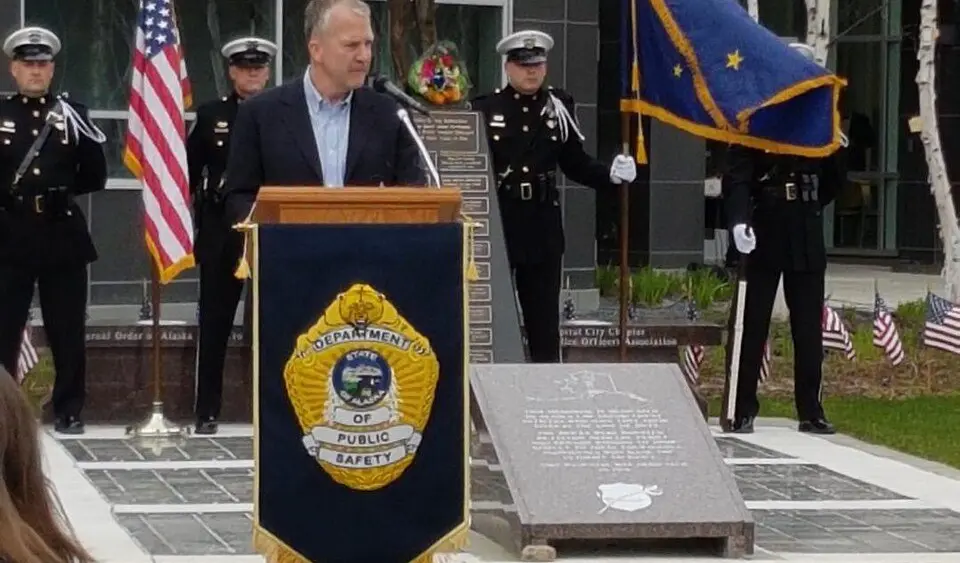
Republican Sen. Dan S. Sullivan faces Democrat Mary Peltola and other candidates, including Daniel J. Sullivan Jr., who is also running under the Republican label.
Why the Justice Department Went to Court
Federal authorities argue that the second Sullivan’s presence on the ballot could mislead voters who intend to support the incumbent senator.
The concern is particularly relevant because Alaska uses ranked-choice voting, under which voters may rank multiple candidates in order of preference.
The Justice Department asked the court to permit a delay in certification if the incumbent loses by a margin smaller than the number of votes received by the other Sullivan.
That conditional request would have created time for further examination of potentially confused votes.
The Judge’s Decision
U.S. District Judge Sharon Gleason rejected the request Sunday, concluding that the federal government had failed to establish the legal standing necessary to obtain the relief it requested.
Her decision emphasized a practical obstacle: ballots already cast cannot be separated into categories based on what particular voters may have intended.
Election secrecy also means officials cannot simply contact voters to determine whether they selected the wrong candidate.
The ruling does not establish that deliberate voter deception occurred, nor does it determine that concerns about potential confusion are necessarily unfounded.
It decides whether the proposed federal court remedy is legally available under the circumstances.
WATCH: The Alaska Election Dispute
Fox News reports on the dismissal and the Justice Department’s plans to appeal.
An Investigation Continues
Federal authorities are separately investigating allegations that the second Sullivan was recruited to enter the race as part of an effort to confuse voters.
Investigators have issued subpoenas related to that inquiry, according to national reporting.
However, no one has been charged with a crime in connection with the alleged scheme, and suspicions about political motives should not be treated as proven misconduct.
Election Security Versus Voter Privacy
The case illustrates a tension within election administration.
Voters have a legitimate interest in accurate ballots, clear candidate identification and transparent election procedures. At the same time, courts must respect constitutional limits and protect the secrecy of votes already cast.
Those principles are not mutually exclusive. Strong election safeguards must operate within the rule of law rather than depend on remedies devised after ballots have been submitted.
With Election Day approaching, the immediate question is whether the appeals court will intervene. Regardless of the outcome, the controversy is likely to renew debate about candidate identification, ranked-choice voting and protecting voters from confusion.