



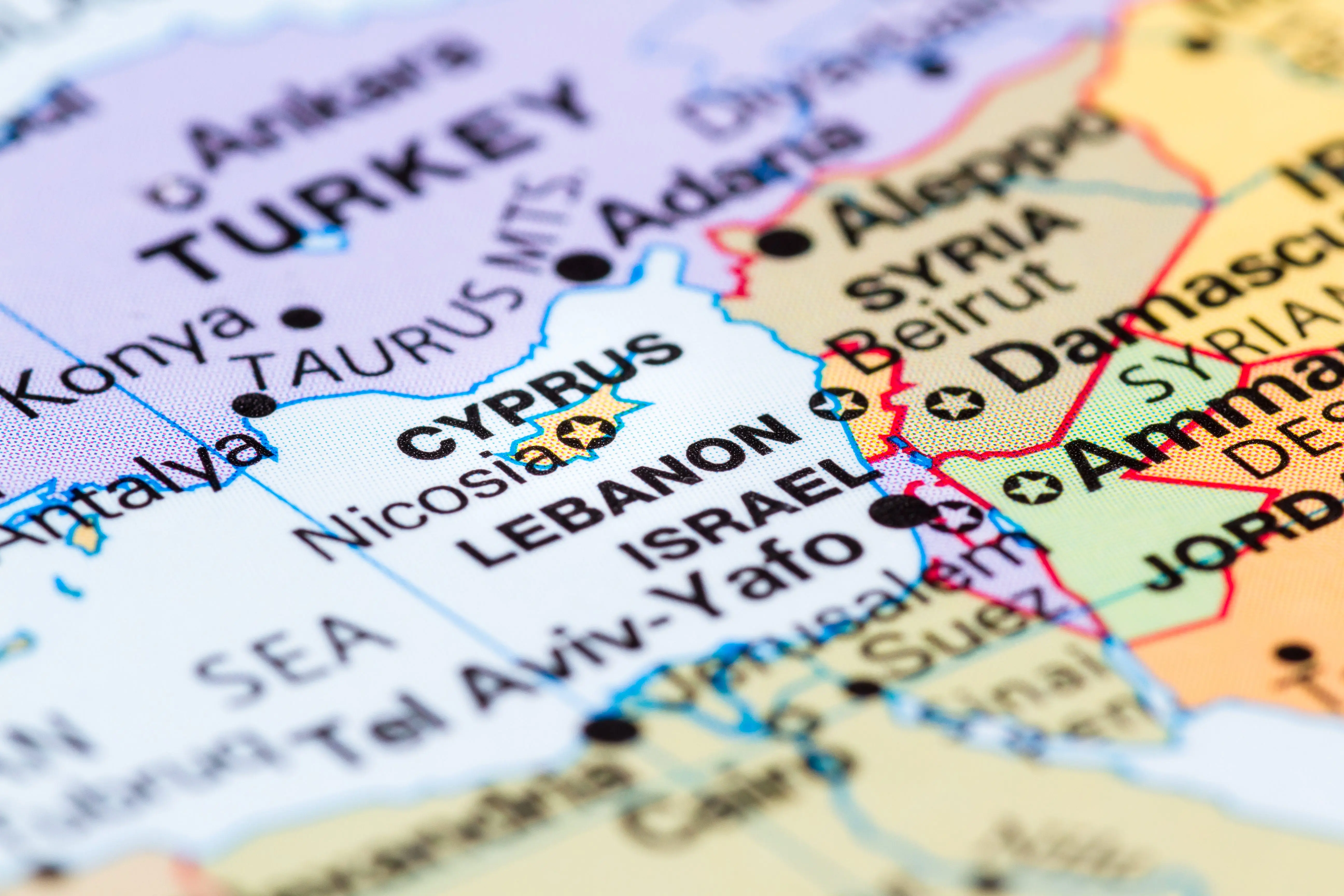
Israel/Lebanon
Key Facts
- Lebanese Prime Minister Nawaf Salam warned against Hezbollah drawing Lebanon into another regional war.
- The statement followed discussions with President Joseph Aoun.
- Salam emphasized the authority of Lebanon’s constitutional institutions over decisions of war and peace.
- Hezbollah maintains military ties with Iran and has been involved in conflicts beyond Lebanon.
- Regional tensions have heightened fears of renewed fighting involving Israel and Iran.
By KLZ Staff / TJ Pander
Lebanese Prime Minister Nawaf Salam warned Wednesday that Hezbollah must not draw Lebanon into another devastating regional conflict, delivering a pointed message as tensions involving Iran, Israel and the United States threaten to ignite fresh fighting across the Middle East.
Salam’s comments followed a meeting with Lebanese President Joseph Aoun and reflected growing concern that decisions by Iran-backed armed groups could once again expose Lebanese civilians to a war their government has not authorized.
The prime minister warned against new military adventures undertaken for foreign interests and insisted that protecting Lebanon must remain the responsibility of the Lebanese state.
Lebanon Rejects Another Regional Conflict
In his remarks after meeting Aoun, Salam said Lebanon could not afford to become involved in another conflict serving outside political or military objectives.
He emphasized that Lebanese families had already endured extraordinary costs from previous fighting, including lost lives, destroyed homes, displacement and damage to the country’s economy.
The warning was widely interpreted as directed toward Hezbollah, the powerful Shiite political and military organization supported by Iran.
Salam also emphasized a central constitutional principle: decisions about war and peace belong to the state and its lawful institutions rather than independent armed groups.
Lebanon’s Government Issues Its Warning
Read the original coverage of Salam’s statement following his meeting with President Aoun.
Hezbollah’s Relationship With Iran
Hezbollah has received extensive Iranian financial, military and political support and remains among the most heavily armed nonstate organizations in the Middle East.
Its leadership portrays the organization as part of a broader regional resistance movement against Israel.
Critics, including Lebanese political leaders, argue that Hezbollah’s independent military operations undermine national sovereignty and leave the country’s population exposed to retaliation from conflicts involving Iran.
Those concerns intensified following reports that Hezbollah personnel had become involved in Yemen, where Iranian-backed Houthi forces continue to play a significant role in regional fighting.
Salam condemned the involvement of Lebanese individuals and organizations in the internal affairs of other Arab countries, warning that such activities harm Lebanon’s national interests.
Israel and the Wider Regional Conflict
Israel views Hezbollah’s armed capabilities as a substantial security threat, particularly because of the organization’s history of cross-border attacks and its relationship with Tehran.
Previous clashes have produced extensive destruction in southern Lebanon and significant civilian suffering on both sides of the border.
Another major confrontation could further damage Lebanon’s infrastructure, displace additional families and complicate attempts to stabilize the country’s finances.
The risk has increased amid renewed speculation about possible military escalation between Iran and its regional adversaries.
Regional Context: Iran, Israel and Hezbollah
For background on the regional conflict and the risks of escalation, see current coverage from The Times of Israel.
A Question of National Sovereignty
The dispute extends beyond military strategy. It concerns whether an elected government can exercise meaningful authority when a powerful armed faction maintains its own military command and foreign alliances.
Lebanon’s regular armed forces and constitutional institutions are supposed to represent the entire country, regardless of religious or political affiliation.
Hezbollah’s separate military structure complicates that arrangement and creates serious disagreements about national security policy.
For governments seeking regional stability, strengthening Lebanese institutions has long been viewed as an important objective.
Supporters of Hezbollah argue that its weapons provide deterrence against Israel. Critics contend that the organization has repeatedly exposed Lebanon to conflicts that ordinary citizens never chose.
Can Diplomacy Prevent Another War?
Salam’s statement does not represent an announced military operation against Hezbollah or a completed agreement over the organization’s weapons.
Rather, it is a public warning that Lebanon’s political leadership does not want another war imposed through decisions made outside the state.
The ultimate consequences will depend on decisions in Beirut, Tehran and Jerusalem, along with the success or failure of ongoing diplomatic efforts.
For the United States and its regional partners, the challenge is preventing the Iran conflict from expanding into additional countries while addressing the security threats posed by Iranian-backed armed organizations.
For Lebanon’s people, the priority is simpler: avoiding another devastating confrontation and restoring the country’s ability to make its own decisions about peace and security.