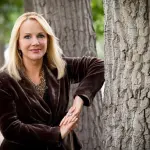




In this enlightening episode of ‘The Good News,’ Angie Austin is joined by her dear friend Ed Nova, a retired restaurateur with a wealth of life experiences. Listen as Ed shares his journey from growing up on a farm in Nebraska to becoming a successful businessman. Through personal stories, he reveals the profound influence of faith and community support during times of hardship, especially after the tragic loss of his father. Together, Ed and Angie discuss the importance of leaning into your faith and the tremendous power that family and friends hold in helping one move forward through life’s
SPEAKER 05 :
welcome to the good news with angie austin now with the good news here’s angie hello there it is angie austin hi there friend how are you also joining me one of my dear friends of many years ed nova ed is a restaurateur he is retired he uh owned the broker restaurants is still involved with a restaurant with his stepson and He became friends with me through his wife, who I met about 25 years ago, my first friend when I moved to Denver. And she was in my wedding, and we had my wedding at Ed’s restaurant at the broker. And we’ve been friends ever since. And Gail has sadly passed at a very young age, and Ed and I have continued to be friends. And I find him to be a blessing and an extremely knowledgeable businessman, but also a really wonderful person. He has a gift for engaging with people. So I said, hey, let’s do a segment called Life Lessons. And we’ll go through your businesses and through your parenting and through your accidental trip alone, you know, through Europe on one summer. And we’re just having a blast. So, Ed, welcome back.
SPEAKER 03 :
Thank you so very much. I appreciate you, Angie, a lot. Oh, I appreciate you, too.
SPEAKER 05 :
You’re one of the best storytellers I’ve ever met, and I think you were so successful in the restaurant business, not just because you were a hard worker, but Mark and I, my husband and I, always talk about how You make every single person in the restaurant feel so special. You come around. You remember people. You get them a drink. You might buy them an appetizer. You make it feel like they’re the most important person that came to the restaurant that night, but everyone feels that way.
SPEAKER 03 :
I love the restaurant business. You know that. It was fabulous for me.
SPEAKER 05 :
Well, you did well, and now we are today talking about what life lesson, what story do you want to tell us today that we can glean a little knowledge from your journey through life?
SPEAKER 03 :
Well, let me just sort of go into it, and instead of giving you a topic, if I may. Okay, yes, please do. You know, I grew up and was on a farm that was next to Rosalie, Nebraska. Okay. And Rosalie had a sign as you went into town, population 119, 119 people. Wow. Wow. And it was just a lovely, lovely little town. And so I had a – and our farm sat right next to that city, Rosalie, a town I guess it would be called. And anyway, we had, I would say, a pretty well normal farm, you know. My – My dad was Ed, and my mom was Betty, and then they had five children. I was the oldest, and then my sister was the youngest. And we had, like our farm, we had this huge barn there. And on the first floor was where we had the milk cows. We had eight milk cows. And up above was the loft where we had stored all of our alfalfa and alfalfa bales. And we had about 40 pigs. We had 20 sheep. We had hundreds of chickens that we sold, we raised and sold. And we had three horses and two dogs. And it was a lovely, lovely farm area. I mean, I just, I loved growing up there. And so when I was… So after I graduated from Rosalie High School, then I went to the University of Nebraska in Lincoln. And Lincoln is about 100 miles south of Rosalie. And so what I would do is I would come back every other weekend and drive back to – And then I would come home and help do the farm work, you know, and there was a lot of work to do on the farm. And so I would work on the farm every other weekend. And so this particular Friday, I’m coming home. I’m driving up the lane towards the farmhouse. And all of a sudden, as I get up there, there’s about 20 cars coming. park in our farmyard. I mean, they’re behind the barn. They’re, they’re all over the place. I mean, they’re just jammed into this whole, you know, whole area. And, uh, and so I pull up and I’m wondering, and then my, my uncle Leroy came over to my car and he said, and he said, I’m very sorry. He said, you’re, uh, he said, your dad died this morning and he, and he, And I said, and then later I found out that what happened was dad, you know, with five kids and he was renting 160 acres that he formed, but he needed more money as a, to supplement with five kids. And so he worked on construction in Sioux city, which was about 35 miles North of us in Iowa, Sioux city, Iowa. And, um, He was working on a new electrical production plant just south of Sioux City, and I found out later that he was on a very, very high ladder, and he was working up there, and he misstepped, and he fell. Oh, gosh. So, anyway, just a horrible, horrible time. Yeah. After that, you know, we had dad had 12 brothers and sisters. Oh, my goodness. That’s a farm family, huh? And he was one of the youngest. But most of his family, most of his brothers and sisters lived near Rosalie. I mean, they all lived on farms and so forth. And so we had that. We had some. So we had all those relatives. We had great neighbors. We had a wonderful Methodist church in Rosalie that we were very involved in. And the people basically, since mom had no income, the people, all of those people mentioned, you know, they were bringing food to us all the time to the family. And I have a feeling that, I don’t know this is a fact, but I have a feeling that a lot of my uncles and aunts, you know, brought money to mom, you know, because she had no income. And so that was really… Really just a very special time. Our house, our farmhouse was a lovely place to live. I mean, it was like, you know, with all the kids and everything. And it was a wonderful home. And then that house became like a total house of prayer for the next several months. Because all those people would come over and then pray with Mom and just, you know, just encourage her and just be with her and try to figure out what her needs are and all that kind of thing. It was an amazing period of time, amazing, wonderful hospitality, if you will. And we had this wonderful church in town that was called Methodist Church, And there were two churches in town. On one end was the Methodist church. On the other end of this little town with 119 people was a Lutheran church. And it seemed to me at the time that almost everybody I knew, I mean the farmers, all the people in town, everybody went to church every Sunday. I mean, I didn’t know anybody that didn’t go to church. I mean, that’s just the way it was. That’s just how the program was. And Our church was just a lovely little church, and we had a beautiful sanctuary with stained glass windows. And then behind the sanctuary, there was a kitchen. And it had a huge dining room because what they would do, they would do a lot of dinners at night for, like, Bible studies and just get-togethers. They used that church for, like, funerals. They used it for weddings. And then they would hold the reception, you know, and they would cook their own food and do everything in the back. And then on Sunday, the kitchen dining room, was there were like five Sunday school teachers for different age groups all the way from kindergarten through 12th grade. And then they would break up, and they had Sunday school, and that was at 10 o’clock. And then in the sanctuary, the pastor was doing a Bible study for adults from 10 to 11. And we did that every Sunday. And then at 11 o’clock, all of the kids from the Sunday school came in, sat with their parents, and then the pastor did. And then we had a small choir, and the pastor then would do his sermon. And the thing that I remember, especially now that I’ve been involved in churches in Denver and things, is that The thing that amazes me as I look back, a pastor would stay maybe four or five years. And they would move on because it was such a small little church. But every single pastor that we had as I was going through school and everything, been there all those years, Everyone was like a winner. I just don’t know how in the world we were ever blessed with attracting young men. usually that just loved christ and were just they were so influential you know in all of these people’s lives it was really as i look back on it now was just it was such a blessing you know to have that happen well and you know i’ve always known that you were you know a man of faith and your wife as well my friend gail um and it’s interesting to me that you know this was
SPEAKER 05 :
When you go through something that painful, like losing your father, that’s when I don’t know how people get through it without, you know, the Lord. And so in your case, with your family, it strengthened your relationship with the Lord. And now I better understand why your faith is so important to you.
SPEAKER 03 :
I mean, it was just it was amazing about how the people in that whole community came to help, you know, my family, you know. And it was a wonderful, wonderful thing. I tell you, my mom was a very, very strong woman. I would say strong-willed. I mean, you could talk to my daughter about her.
SPEAKER 05 :
I don’t know if you know this, but I knew your mom. I sat by her on many dinner occasions when I would go out with you and your family, and I knew your stepdad as well.
SPEAKER 03 :
Yes, and she was tough as nails. Oh, yeah. She made her own choices on things. Like when we did my dad’s funeral at the church, my dad, when he passed, he was 39 years old. And she had all of us kids sit in the very last row of the church in the very back row. And that was just her choice. I mean, that’s what she felt. And for whatever reason, I’ve never quite figured that out. Because every funeral I went to at that church, all the families sat in the first pew. Yeah, yeah. And so when we did my dad’s funeral, she sat in the back. It’s a very nice role at the church. I don’t know. She just had her own way of doing things, you know.
SPEAKER 05 :
You know what? I take out of this about when you’re going through extreme pain and trials and tribulations, trauma, to lean into your faith. Sometimes I think that’s when you’re like, oh, wow, God is real because you can feel that sense of peace sometimes come over you. But also just the community and being there for others. What would you want people to take away from your situation, your story today?
SPEAKER 03 :
In what way? What do you mean?
SPEAKER 05 :
Like, what do you want them to learn from your story or take away or what would you… Well, you know what?
SPEAKER 03 :
I’ll tell you, I think the thing that really stands out most to me is that when you’re in pain from a loss or some other tragedy, you know, there’s a lot of tragedies in life. And when you’re in pain, the thing that really is important is your family and your friends on keeping you, you know, keeping you… Going. Moving.
SPEAKER 05 :
Yeah, getting out of bed every day.
SPEAKER 03 :
You know, but there’s nothing more important, you know, if you think about it, than having great friends and great family.
SPEAKER 05 :
You know, I talk about the Harvard Happiness Study all the time and how the greatest indicator of happiness is your friends, your connection, your family. Ed, always a blessing to have you on the program. We’re out of time. I’ll talk to you next week.
SPEAKER 03 :
Okay, thank you so much. Angie, all the things to you. God bless you, my friend. God bless you.
SPEAKER 04 :
Arc Thrift loves your gently used clothing, furniture, and household items. But did you know they also accept non-perishable food donations year-round? Arc Thrift partners with Volunteers of America to help supply more than 70 food pantries across Colorado, from Pueblo to Northern Colorado and all the way to Grand Junction. So when you head to the store, be intentional. Grab a few high-protein items like peanut butter, canned beans, tuna, chicken, soups, or pasta, and bring them with you when you donate or shop. Instead of cleaning out your closet, clean out your pantry. When shopping at or donating to Art Thrift, you’ll be helping families in need, supporting people with intellectual and developmental disabilities, and keeping good items out of landfills. Find locations, donation centers, and details at ARKthrift.com. ARKthrift, giving items a second life and giving people real hope. Brush is locked into the mighty 670 KLT.
SPEAKER 05 :
Hey, welcome back to The Good News with Angie Austin. I’m really enjoying our interview with Barbara Daddino. We are talking about her book, Tesla’s Cottage, The Lost History of Wardenclyffe and how it was recovered. And she was a Tesla fan and had been trying to buy with her partner this beautiful cottage 40 feet above the water. And when she finally, after two years of negotiations, was able to purchase the house, the owner said, oh, and by the way, this was Tesla’s cottage. Do you know that? And they about fell over. But very funny, you said you didn’t tell her that, of course, you knew Tesla and you’re big fans because you didn’t want the price to go up. I’m sure she’s figured out, you know, over time that you were a big Tesla fan. Maybe you told her at closing.
SPEAKER 02 :
No, no, I never mentioned it. Never mentioned it again.
SPEAKER 05 :
Oh, that is funny. Okay, so you move into this cottage, and then you’ve done, you know, to write this book, a lot of unique research for the book. What parts of the research did you find the most interesting about the man and his life and his inventions?
SPEAKER 02 :
Well, all of his, you know, his person, getting to know the man as a person. His inventions are so great, and so many wonderful books have been written about him. But even if they spoke a little bit about his personality, the technology is so overwhelming that it gets lost. So I started looking for just proof that he lived here because the surprise was when I moved here, a lot of the people in the village didn’t believe he lived here.
SPEAKER 01 :
Oh.
SPEAKER 02 :
And those that knew that, yeah, and a lot of them that knew he lived here said, said, oh, he only slept in the house for a couple of nights and he didn’t really live here or anything, you know. And I thought, well, but, you know, the woman and the couple that sold us that cottage said it was his house. So I began researching and looking, you know, at old newspapers and trying to find any evidence that Tesla was here. And one by one, I found one piece of one fact after another. the confusion came when in some of the sources that I had they said that he lived in the Wilson cottage and then other sources said he lived in the Bailey cottage and so that’s why people around here thought that he just slept in various cottages for a night or two but we did a property search and we found out that the Wilson cottage and the Bailey cottage were one and the same It was just that when the Wilson articles were written, that was owned, the cottage was owned by a young man named Wilson. And when the Bailey Cottage articles were written, they were referring it to those current owners. So we realized that this was indeed the house that Tesla lived in. And then in Serbia, in the Serbian Museum, there is a letter from Daniel James Warden, um, he was acting attorney as, uh, Wilson who owned the cottage. Uh, and it was a rental agreement with Tesla and it was, um, you know, it was, it was signed by a lawyer and, and, uh, you know, stamped and everything. So I had proof positive that this was the cottage and this is where he lived. And that was the first brick to, to start building my foundation. And, uh, I knew that I wasn’t going to talk about his technology because, number one, I have trouble understanding it myself. So I had to leave that go. But living here, I can walk from one site to another as the village was in his day. And when you’re on the premises, you know that there are a certain amount of footsteps to get from one place to another. I know where the hotel was where he ate at. I know where he walked to the post office. And I can trace his path and walk in his path and feel what he saw and see what he saw just in the landscape. And so that gave me a whole lot. And then as I researched, I found names of people that I could tie together and link and found out why he came here and who were his neighbors and what was his life like and and what were people’s opinion of him, and so on and so forth. But that took 10 years to do.
SPEAKER 05 :
And why did Tesla move there?
SPEAKER 02 :
Well, he was looking for a place on a certain parallel so that he could get around the Earth. He wanted to put another station in Scotland or in England. He wound up deciding, I think, in Spain. And so he was looking at a certain parallel. of the earth. But I wondered why did he come to this little outpost of Shoreham? One thing was that the railroad was extended to this place so he could get back to New York City because he was a New Yorker. He lived in the Waldorf Astoria and all of his sponsors were there. He had to be there. And he also loved the High Life. He was part of the Gilded Age. He was a prime member of that whole society. And so Wardenclyffe fit that bill, but so did a lot of other towns along the railroad route. And I was wondering why until one day I saw a tiny little announcement that Tesla was going to be speaking at the electrotherapy conference. And he was going to be speaking with a man named Dr. Herdman and a woman named Dr. Cleaves. And as I researched more and more, I found out that Dr. Herdman was best friends with James Warden, who was the one who established Wardenclyffe and built a community here. And so that was the link. I said, oh, my goodness, here I found it. It was Herdman, who was an associate. He was close to Tesla. In one month alone, they wrote 31 letters together. to each other. So he was close to Tesla and he was best friends with Warden and of course that’s what brought him here. There is a letter linking that. Later I found a letter linking the fact that Herdman had recommended Wardenclyffe.
SPEAKER 05 :
Was there a Tesla Science Center at Wardenclyffe as well? I was reading about that.
SPEAKER 02 :
Well the Tesla Science Center is a Organization that took over the Tesla lab. Now, that’s the only existing laboratory. So actually, Tesla’s laboratory, his end plan was to make a metropolis here. And to call it Radio City.
SPEAKER 05 :
Oh, wow. So it was lab. Okay, so you built a lab there. Okay, okay. Yeah, because I read that somebody was trying to restore that. So yeah, a lot of history there. Why do you think it’s in, why is it so important to you that people, you know, know about him, that they know his story, and that you, you know, you took all this time to, you know, write this book?
SPEAKER 02 :
Yes. And why it’s important is number one, there’s a lot of misinformation about exactly what he did. Um, people make it almost magical and, um, kind of spooky, but, um, he was very pragmatic and he had some reasons, but also because of his message, because, um, it’s so relevant for today, especially with AI. And he had a glimmer about AI. I mean, he, when he did that remote control boat, he talked about machines that had their own mind. And so now that AI is coming to the fore, we really have to take his idea and make sure that we ourselves, because technology is neutral, we ourselves use it for human good. So that’s important. And it’s important that people know who he is and that he wasn’t a failure, that he had given up so much because he was disciplined and disciplined. He was almost a priest of science. He gave up his whole personal life to give this wonderful gift to us.
SPEAKER 05 :
And to use that brain, so few brains, that genius brain that he gave up so much to just use his mind to create things. And it’s interesting that some people view Tesla as a man defeated. A lot of people don’t know about him and that he died penniless. So why do you think a lot of people view Tesla in that manner?
SPEAKER 02 :
Well, because he never had a chance to fulfill his dream of building that tower. The tower was built, but it was never operational. He ran out of J.P. Morgan, and this is way too long a story to tell now, but J.P. Morgan stopped funding partly because he thought it would be too disruptive. And Tesla put every penny he had, every penny he owned, and went into debt. And then finally, just when this dream was in his grasp, it was torn out of his hand because He just ran out of money. So people think that the tower was a failure, but the point is it was never proven. And he never wrote down his full plan. So we don’t know if that tower would have worked the way he wanted it to. If that tower had worked, we talk about Tesla cars. He didn’t think that batteries were the solution. Tesla would have run electricity wirelessly without from station to station and these stations would have been far apart. So just as you get radio in your car, you would get the power to run your car in your car. You wouldn’t need a motor.
SPEAKER 05 :
People don’t understand that. What do you want people to take away, Barbara, from the book Tesla’s Cottage? What do you hope they take away from the book?
SPEAKER 02 :
Well, I hope that they take away his example and realize that somebody was so dedicated some aspect of discipline and how your dream is really worth fighting for and worth giving up certain things for and that you don’t become a success right away, but your work is worthwhile. And also world peace. You had asked about becoming a Tesla ambassador. There’s a huge international movement among people in the United Nations and led by Ambassador Niksic from Serbia. It’s an initiative for world peace because Tesla’s inventions were made really for world peace. And so I hope we all work towards that end.
SPEAKER 05 :
I saw you got a, I joined your Facebook group for the, I think, I’m assuming it’s yours. Someone started a Facebook group for your book, Tesla’s Cottage. I want to make sure, you know, people are able to get in touch with you. So give us that information. And then I want to figure out, you know, talk about what’s next for you as well. So what’s the best place to find you?
SPEAKER 02 :
The best place to find me is www.teslascottage, that’s one word, T-E-S-L-A-S. TeslaCottage.com. And I will be posting on Tesla’s Cottage on various social media. So if you just write it one word, no apostrophe, you’ll probably find me. And you could buy the book now, either the book or the e-book, at Book Baby. Just put in Book Baby, and when you get on the site, hit the bookshop, and it’s available right now. Barnes & Noble and Amazon have it available for pre-order, and it will be available everywhere April 11th.
SPEAKER 05 :
And then what’s next for you? Do you plan on writing anymore? What are you going to do? I mean, enjoy that house, that’s for sure.
SPEAKER 02 :
Well, that’s for sure. What’s really interesting, and I think you’ll be interested in this, is that this was not only, Wardenclyffe was not only the home to Nikola Tesla, but it was also where Elizabeth Cady Stanton and Margaret Blatch, Harriet Blatch, and various other people of the Stanton family summered. And there were women suffragists throughout the cottage. I mean, throughout the village. So… It was quite a time. I mean, they were very, very famous people. So I think the next book might be The Suffragists.
SPEAKER 05 :
Oh, neat. Yeah, I’m looking at where you are on the map. Well, I’m a dog lover, so don’t worry about that. I really enjoyed our interview. Sometimes during my interviews, they somehow get outside my studio door. It’s so crazy. Yeah. Thank you so much, Barbara Didino. No problem. Again, the book is Tesla’s Cottage, Barbara Didino. And I just joined the Tesla Heritage group you have on Facebook as well. So how fun. Thank you so much, Barbara. It was a real pleasure. Perfect.
SPEAKER 01 :
Thank you for listening to The Good News with Angie Austin on AM670 KLTT.