



Christopher Michel, CC BY-SA 4.0
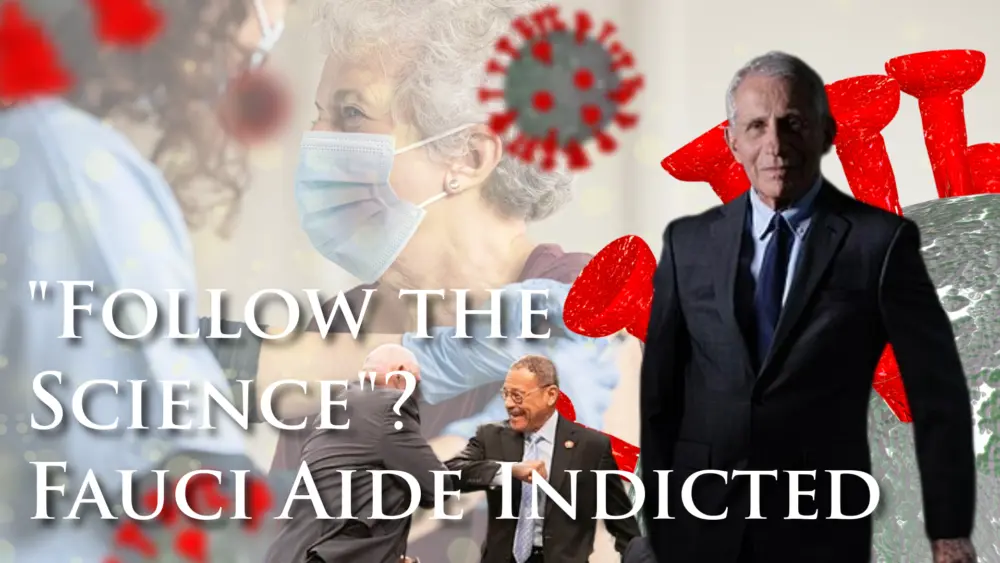
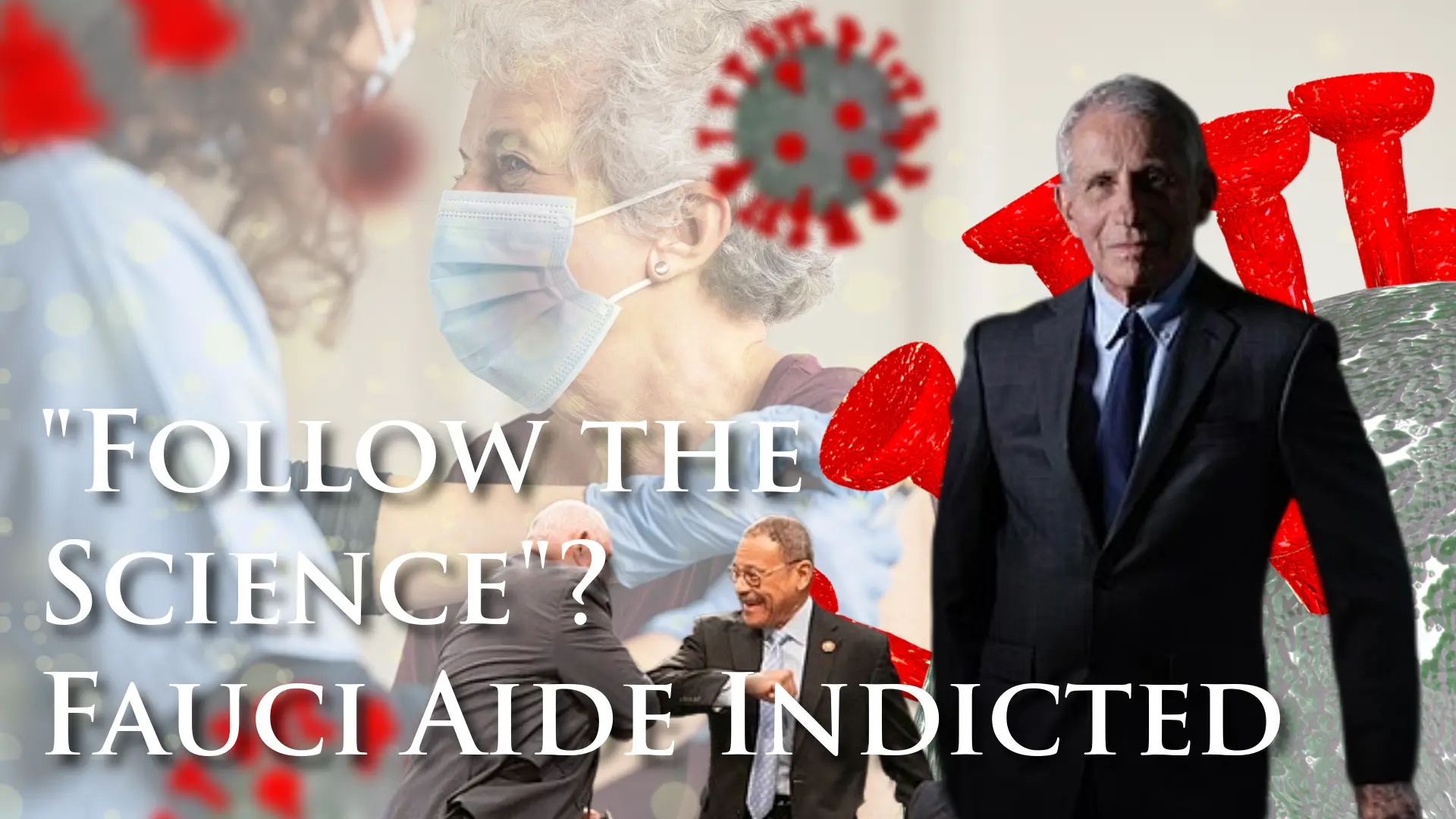
DOJ Indicts Top Fauci Adviser in COVID Records Scandal, Raising New Questions About Transparency and the Pandemic Narrative
-Travis Pander, KLZ Radio
A former top adviser to Dr. Anthony Fauci has been indicted by the Department of Justice in a case that is already sending shockwaves through the ongoing debate over COVID-19 origins, government transparency, and the treatment of dissenting voices during the pandemic.
BREAKING: A former senior advisor to Anthony Fauci has been INDICTED for his role in the COVID-19 coverup
This guy might throw Anthony Fauci under the BUS 👀
David Morens and his co-conspirators FALSIFIED records in an effort to SUPPRESS the lab-leak theory, and used his… pic.twitter.com/5Wp9oc3N6y
— Nick Sortor (@nicksortor) April 28, 2026
Dr. David Morens, who served as a senior adviser at the National Institute of Allergy and Infectious Diseases (NIAID), now faces multiple federal charges, including conspiracy against the United States and the destruction and concealment of federal records. Prosecutors allege that Morens deliberately used private email accounts and other methods to evade public records laws and keep key communications hidden from scrutiny.
Allegations of Hidden Emails and Evading Transparency Laws
According to the indictment, Morens worked to shield communications related to COVID-19 research and the origins of the virus from Freedom of Information Act (FOIA) requests. Investigators say he used private email channels specifically to avoid transparency requirements and discussed ways to make messages “disappear.”
The allegations center in part on his communications with outside researchers tied to controversial coronavirus studies, including work connected to the Wuhan Institute of Virology. Prosecutors claim these communications were intentionally concealed while public debate intensified over whether the virus emerged naturally or from a laboratory incident.
At the height of the pandemic, Americans were repeatedly told to “trust the science,” while the same people proscribing that were not following science, but blindly following FAUCI. Now, this indictment raises a serious question: were key discussions about that science deliberately kept out of public view?
Rather than follow the science, the CDC followed the Biden Admin’s radical political agenda to force COVID vaccines into the arms of every American, including healthy young people.
Well, the COVID hysteria has returned and I will not vote to fund one penny of this COVID… https://t.co/shWN8FAV4m
— Former Congresswoman Marjorie Taylor Greene🇺🇸 (@FmrRepMTG) September 6, 2023
A Broader Pattern of Suppression?
The charges against Morens do not exist in a vacuum. They come after years of congressional investigations and growing concern—particularly among Republicans—that legitimate questions about COVID-19 origins were dismissed, censored, or labeled misinformation too quickly.
Lawmakers have long argued that the lab-leak theory was unfairly suppressed early in the pandemic, only to later gain credibility as intelligence agencies and researchers acknowledged it as a viable possibility.
The indictment now adds a new dimension: not only were certain viewpoints discouraged, but key federal officials may have actively worked behind the scenes to control what information became public.
During earlier congressional testimony, Morens admitted he used non-government channels in part to shield communications, even apologizing for attempting to keep certain exchanges out of official records.
What This Means for Public Trust
For millions of Americans, the pandemic was not just a public health crisis—it was a moment when government authority expanded dramatically, affecting businesses, churches, schools, and personal freedoms.
Mandates, lockdowns, and speech restrictions were justified as necessary measures based on evolving scientific understanding. But if that understanding was shaped behind closed doors—and deliberately hidden from public oversight—the implications are profound.
This case is not simply about one official. It speaks to a broader issue: whether government institutions were fully transparent during one of the most consequential events in modern history.
Fauci Not Charged, But Questions Remain
Dr. Anthony Fauci himself has not been charged with any wrongdoing, and he has previously distanced himself from Morens’ actions.
Still, critics argue the indictment raises uncomfortable questions about the culture within federal health agencies during the pandemic—particularly regarding how dissenting opinions were handled and how much information was withheld from the public.
The debate is likely to intensify in the coming weeks, especially as additional documents, testimony, and legal proceedings bring more details to light.
The Bigger Picture: Accountability and the Right to Question
At its core, this story goes beyond emails or legal charges. It cuts to the heart of a fundamental principle: in a free society, citizens must be able to question official narratives—especially during a crisis.
Top Fauci advisor Dr. David Morens asked in an email if he would receive kickbacks from COVID and COVID vaccines.
This is a question Dr. Fauci still refuses to answer under oath.
Did Dr. Fauci and his team profit off pushing a deadly and experimental vax on the American people? pic.twitter.com/dO4ABYiMXM
— Former Congresswoman Marjorie Taylor Greene🇺🇸 (@FmrRepMTG) May 22, 2024
For years, many Americans who raised concerns about COVID-19 policies or origins were dismissed, censored, or labeled as spreading misinformation. Now, a federal indictment suggests that at least some of the information landscape may have been shaped behind the scenes.
Whether Morens is ultimately convicted remains to be seen. But the case has already achieved something significant—it has reopened a national conversation about transparency, accountability, and the role of government in controlling information.
And for many, it reinforces a lesson that should never be forgotten: questioning authority is not a threat to democracy—it’s a safeguard of it.