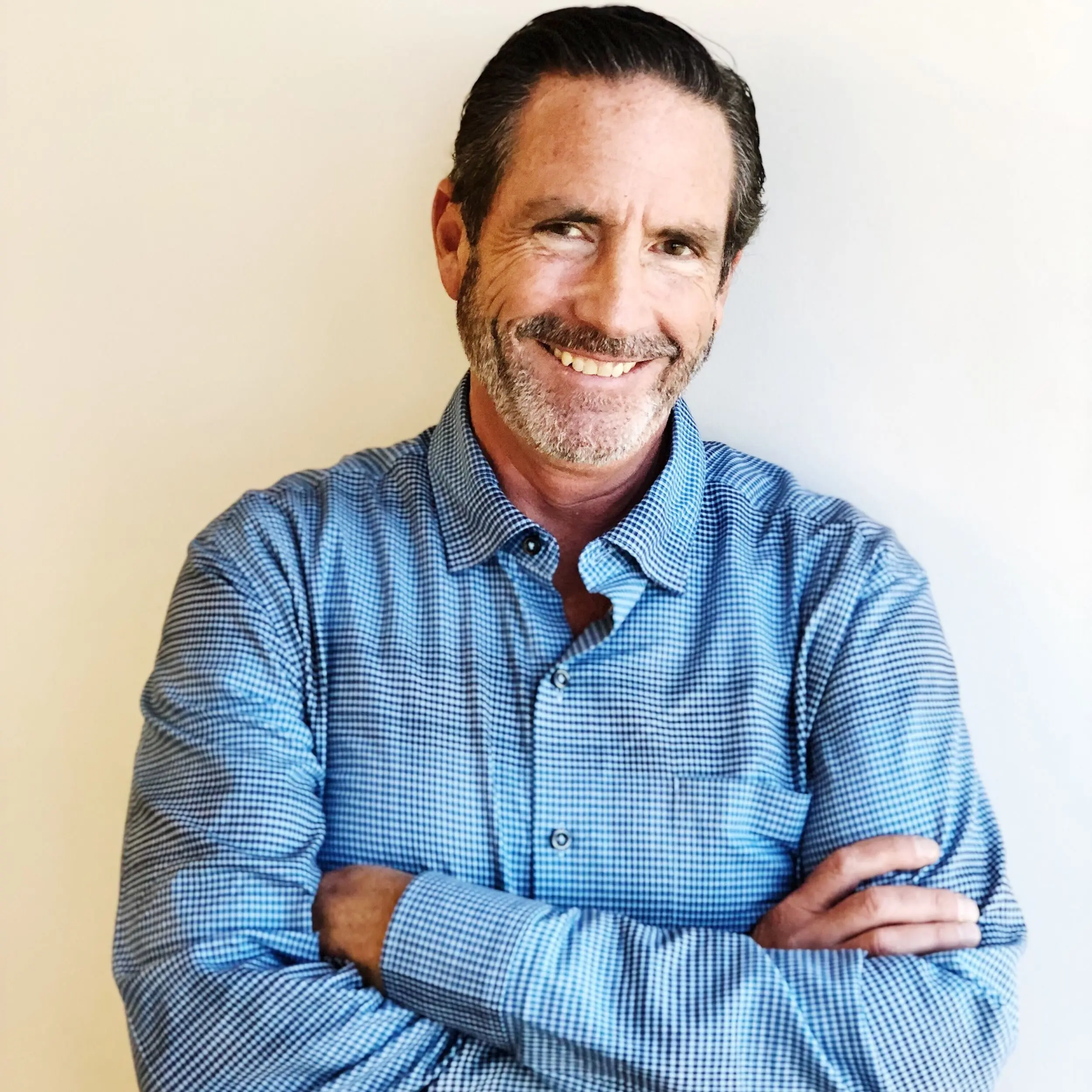

HOUR 1 Hour 1 of Rush to Reason hits the ground running as John Rush welcomes Steve House, former Colorado GOP Chair and longtime health-care executive, for a rapid-fire look at the future of AI, medicine, and education. What happens when artificial intelligence reads your bloodwork better than your doctor? Could peptides disrupt Big Pharma the way streaming crushed cable? And why have drug launch prices jumped from $2,100 in 2008 to over $180,000 today? Steve breaks down the explosion of AI tools like ChatGPT, Perplexity, and Quarrio—platforms that can analyze symptoms, generate medical summaries, explain drug interactions, and
SPEAKER 03 :
This is Rush to Reason.
SPEAKER 02 :
You are going to shut your damn yapper and listen for a change because I got you pegged, sweetheart. You want to take the easy way out because you’re scared. And you’re scared because if you try and fail, there’s only you to blame. Let me break this down for you. Life is scary. Get used to it. There are no magical fixes.
SPEAKER 03 :
With your host, John Rush.
SPEAKER 02 :
My advice to you is to do what your parents did!
SPEAKER 09 :
Get a job, Turk! You haven’t made everybody equal. You’ve made them the same, and there’s a big difference!
SPEAKER 08 :
Let me tell you why you’re here. You’re here because you know something. What you know you can’t explain, but you feel it. You’ve felt it your entire life, that there’s something wrong with the world. You don’t know what it is, but it’s there. It is this feeling that has brought you to me.
SPEAKER 09 :
Are you crazy? Am I? Or am I so sane that you just blew your mind?
SPEAKER 10 :
It’s Rush to Reason with your host, John Rush. Presented by Cub Creek Heating and Air Conditioning.
SPEAKER 14 :
All right, welcome. Rush to Reason, Denver’s Afternoon Rush, KLZ 560. Appreciate you all joining us today on this fine Thursday. Yes, we will have colder weather in Colorado eventually. Steve House joining us now. Steve, welcome. How are you?
SPEAKER 11 :
Good. How are you doing? It’s not cold, Jonathan?
SPEAKER 14 :
No, it’s actually, we’ve been in the low 70s, and it’s been actually very beautiful.
SPEAKER 11 :
Oh, that’s awesome. Yeah, very good. How about you? It’ll be cold soon enough. I’ve been floating around, not only in the Midwest, but now in New York, and it has been, I don’t know, highs around 50 degrees. But it’s, you know, windy and cold most places, so I’m not a fan of this kind of weather.
SPEAKER 14 :
No, again, you know Colorado. We have just had fabulous weather here of late. It’ll change, as you know. It always does. So, you know, that’s just the way things are. But those of you wondering, Dr. Kelly Victory normally with us, not able to do so today. She’s got some things she’s involved in that was taking her away from us today, Steve. So it’s just you and I.
SPEAKER 11 :
Yeah, I mean, Dr. Kelly has that doctor thing going. Yeah, she does. Once in a while, she’s got to do something. And then she’s also on TV and probably making new commercials or something like that. Who knows?
SPEAKER 14 :
I tell people at times, you know, I play a doctor on the radio.
SPEAKER 11 :
Yeah, you could. You could.
SPEAKER 14 :
Only because of you two. I mean, seriously, I only know what I know because of you two. And I feel like, and this is honest, I really do feel like I’ve learned so much over the last five years that honestly, I get people at times that will ask certain questions. It’s like, you know, I’m not a doctor, but here’s the answer. I mean, literally, I’ve learned enough from you and Dr. Kelly both that I feel very equipped in at least some of those areas. And yeah, I can’t diagnose or do any of those sorts of things, Steve. But when it comes to just some general things, yeah, I’ve learned a ton in the last five years.
SPEAKER 11 :
You know, there is that, and you’ve had conversations about medical stuff between us and the other doctor that you have on all the time. But at the same time, with the advent of AI stuff, I mean, I’ve been playing lawyer all week. I’m not a lawyer, but people have asked me, are you a lawyer? And the answer is no, but it’s not I stated a holiday in Express. No, but I looked at Chad GP today.
SPEAKER 14 :
There you go. Let’s go down that path for a minute. I know we’ve got other things we’re going to cover as well, but that’s a great starting point because – We hear a lot about AI, and Steve, literally the good, the bad, kind of the ugly. I was going to talk a little bit later in the show today, some of the tweets even that have come out of late of the guys like Matt Walsh, who is very much honestly against AI or scared to death of it, thinks we’re going to lose 25 million jobs and so on. And I am not… And you know me because we’ve been talking about some of this, you and I have, for literally the last decade. I am not of the same mindset as what some of these people are. Yes, there will be some shifting around of certain jobs. Absolutely, Steve, there always is when new technology comes along. But I look at this as a grand opportunity. I’m the opposite of most people.
SPEAKER 11 :
Yeah, you know, I was kind of in a mini little debate with somebody on LinkedIn over a story about how health care has to do – more with less. That’s always been the mantra, right? We spend so much money, we’ve got to do more with less. And I said, with the advent of AI, we’ve got to do less with less. And they’re like, what do you mean? And I said, well, if people were educated enough, like, so if you’re going online to chat GPT, if you’ve not done a lot of searching with it or Quario or Perplexity or any of the other ones, Grok, if you start doing it, you’ll realize that it’s so much better than Google for a whole bunch of reasons. And, you know, the basics are I get on a pathway and say, well, Let me just ask a simple question. I did this the other day. I’m like, I want to create a protein ball to eat as a snack. I want it to be 40 grams of protein. I want it to be less than 20 grams of carbohydrates. I want it to taste to have a chocolate taste to it. And I don’t want it to have more than, I don’t know, 10 grams of fat or five grams of fat in it. And it gives you an exact recipe on how to do that. And it works.
SPEAKER 14 :
Great example.
SPEAKER 11 :
So you start there and you go, okay, so should I be on a GLP-1 or should I be on some oralin peptide?
SPEAKER 14 :
Right.
SPEAKER 11 :
You know, those answers keep you from going to the doctors.
SPEAKER 14 :
Oh, no, you’re 100% correct. It’s the whole – and we haven’t even gotten into the peptide thing much. Dr. Scott does it occasionally. I think he talked about it yesterday as he filled in. And reality is lots of advancements there. And it’s really interesting when it comes to the peptide end of things, Steve. It’s like – I don’t think, and I was going to get your opinion of this today, and this is a perfect segue as well. I don’t think the drug companies really know what to do with peptides. I think they’re, frankly, sort of this hands-off approach. They’re trying to figure out how to really wrap their arms around it. I don’t know if they see it as a threat. They probably should if they don’t because, frankly, if people really get on the right peptide regimen, Steve, I’m of the belief that it cuts out a lot of other medication needs.
SPEAKER 11 :
Oh, there’s no question about it. I mean, BPC-157, which is, you know, the peptide you take if you’ve got a sore joint.
SPEAKER 12 :
Right.
SPEAKER 11 :
I’ve done BPC-157. It became scarce for a while because it was so effective that everybody wanted it.
SPEAKER 12 :
Right.
SPEAKER 11 :
Those things are very, very doable and usable. They don’t have the side effects. They’re not drugs. They’re not manufactured that way. They’re not cheap, but they’re still very, very effective, and they’re natural, right?
SPEAKER 14 :
I mean, you’re basically putting something… Well, and let’s stop for a minute. You say they’re not cheap. Well… You know, depending upon how you look at it, for example, let’s say that you do have a sore joint or something along those lines. In fact, you might even go to a regular doctor and they might say, you know, hey, you know, go get an adjustment here. Go do this there. Let’s get an MRI or let’s get a CAT scan or let’s do this. Let’s do that. And at the end of the day, guess what? You know, we could probably go in and replace. said joint or we might be able to do this or we might be able to do that and oh that bill will be you know x amount and your duck if you’ve got health insurance a deductible is going to be x amount i mean steve everything i just said far outweighs what a monthly regimen of that particular peptide would be yeah there’s no question so there is that that’s a very good comparison plus if it’s actually healing you as opposed to an anti-inflammatory which is often just
SPEAKER 11 :
you know, masking the symptom, right? It does take some inflammation out of the system, which is good, but the cause of the inflammation is not getting addressed. If the peptide is going into your joint and helping heal it or going into your system and helping you heal yourself, then that to me is a far more effective long-term solution than a traditional drug.
SPEAKER 14 :
And again, Dr. Kelly’s not with us, so I’m going off the cuff here because I know a little bit about some of this. You know far more than I, but the way I understand peptides and the way Dr. Scott has explained them is you’re doing some things at the cellular level that, frankly, even regular medications that, of course, big pharma would prescribe isn’t doing. And for me, that’s one of the biggest reasons why they’re afraid of it.
SPEAKER 11 :
Yeah, because first of all, you extract or create peptides out of something natural, an amino acid, right? Right. If it’s a small chain amino acid, you didn’t create it in a factory or a lab. It came out of nature, much like bioidentical hormones and other things. When you take something out of nature, you can’t have the same patent strategy. Right. And you can’t have the same pricing strategy.
SPEAKER 14 :
Correct. And meaning, and this is for all of you listening, this to me is where Big Pharma is – I hate to use the word against peptides, Steve, but I think they’re at that stage, and I think peptides continue to grow in popularity, but I literally think it’s one of these more of, they just don’t know what to do with it. They don’t know how to wrap their arm around it and figure out how to make money on it. And my prediction is, and you tell me if I’m wrong in this, my prediction is, As these things grow in popularity and more and more people realize the benefits of, that’s when big pharma is going to come down and try to figure out how to get into the government end of things and then shut them down. Or am I wrong in my thought process?
SPEAKER 11 :
Well, don’t we have a recent example with a couple of drugs called hydroxychloroquine and ivermectin? Absolutely. Once you figure out that you can’t patent them or they’re patented, but the production cost of those over 50 years has gone so far below where it used to be that it doesn’t matter. I mean, they can’t really make money on it, so they’ve got to do something to manipulate it. There’s a stat out there on drugs that’s absolutely real. I’m going to… San Antonio this weekend to do a speech to the Texas CPA Association, which is a large group of accounts. But they’re in all kinds of interest. But they want to hear about health care. And they asked me about drug pricing. And I said, one of the stats that you see beyond all of the stuff about how much they cost us out of the dollar is that in 2008, a launch price for a new drug, which means the cost of the drug initially to an end user or to a health plan plus end user was $2,115 is the average launch price for a drug. In 2021, the average launch price for a new drug was $180,007. Wow. Think about it. $2,115 is to 13 years later, over $180,000 for the average launch price.
SPEAKER 12 :
Wow.
SPEAKER 11 :
It’s a really lucrative business. Yeah, yeah. I mean, take that in oil changes. What if synthetic oil had that big of a difference in cost? Nobody would do it. I mean, they just wouldn’t.
SPEAKER 14 :
Right. And again, in that industry, there’s been some cost increases, but nothing close to what you’re talking about. And again, my whole point was, and for all of you listening, you know, not only with AI and your ability to, and you can do this, the ability to, Steve mentioned it, take AI and say, okay, I did a blood panel and here’s where I’m deficient in, or I’d like to have a boost in this, or I’d like to feel better in that. Reality, Steve, is AI will tell you exactly what peptides to take to actually improve all of that.
SPEAKER 11 :
They absolutely will. And they’ll make recommendations on all kinds of things. The thing I like about it is, it’s first and foremost when you’re searching on chat GPT or perplexity, you ask a question, you don’t get any ads. There are no ads that come up. The first nine things are not ads or something related to it. And the second thing is, when it’s done answering your question, it gives you a suggestion on how the conversation should continue. Would you like me to put this into a PDF? Would you like me to give you details on this? You basically can follow a logical conversation that you want to have in your brain, guided, and it’s going to take you less time and you’re going to get better information.
SPEAKER 14 :
Absolutely. I had a friend of mine the other day where we were having this conversation. I’m like, okay, I’ll tell you what, I’ll send you some things on peptides and what frankly would work for you. And again, I’m not a doctor, Steve, but by rolling through AI like you just said and asking questions back and forth, I was able to plug together an entire walkthrough PDF that I emailed off basically saying what you just said and no, I’m not a doctor.
SPEAKER 11 :
Yeah. You know what? I don’t know if you’ve gotten this hard. You know what? Assuming a persona is an AI.
SPEAKER 12 :
Oh, yeah.
SPEAKER 11 :
So I literally, at one point, and this just happened maybe a month ago, I was in a meeting in New Orleans, and it was a pretty funny group, and they were asking me about AI. And I said, well, let’s just do a test. We brought AI up on a computer. We had it mic’d up, and I said, assume the persona of Bill Burr and explain to me how men handle health care. You know, Bill Burr’s a comedian, and it literally went into Bill Burr’s shtick and made it into a comedy routine just pulling up Bill Burr and asking for that persona. So the one I haven’t tried yet and I want to is I want to try, assume that you are John Rush from Rush for Reason. Recommend to me what I need to do with my 2022 Mercedes.
SPEAKER 14 :
That’s hilarious.
SPEAKER 11 :
See what it says to me.
SPEAKER 14 :
I should actually try that. Charlie’s been wanting me to do that for a while, so I need to stop long enough and actually do that. I mean, typically I’m prepping or I’m helping somebody like I just mentioned or whatever the case may be. Point being for all of you listening, and this is really, I think kind of the crux of this, Steve, is AI can be, to me, it’s a tool. Any tool can be used for good or evil. I mean, a hammer can be used to build a home or a hammer can be used to kill someone. I mean, at the end of the day, Steve, it’s a tool. And in the right hands, it does a lot of great things. In the wrong hands, It’s very destructive. I mean, car can be said of the same thing. I mean, I could go down all sorts of lists of tools, Steve, and talk about how they can be used in really great ways or they can be used in nefarious ways. I mean, we saw what fertilizer can do used in the wrong hands and so on. At the end of the day, though, it can also feed thousands and millions upon people if you would. So I look at AI very much the same way. The problem, Steve, is I don’t think our side for the most part does.
SPEAKER 11 :
I think you’re right. I mean, I want you to be scared of it kind of mentality. And, you know, agentic AI and some of the stuff is more creative than a large language model or a generation two ontology-based model. Those models are mostly about finding and forecasting the next step, not looking at creating something that doesn’t exist. And I’ll give you an example of something, you know, everyone should use, whether you’re talking about your car or your own medical conditions. Try this. Let’s say that you’ve got a problem and your hand is swelled. You say to Chad GPT, assume the persona of emergency room physician. My symptoms are the following, and you tell it what your symptoms are. Tell me what that physician would recommend. Tell me what you would recommend, because you’ve asked it to assume the persona. Tell me what you’d recommend, and they might say, put ice on it, and we’re going to, you know, we may give you some Advil or an anti-inflammatory, da-da-da-da-da. And then you go, assume the persona of a private practice primary care physician. and you give the same symptom set, and you’ll find out they’re recommending exactly the same thing. So why do I go to the ER?
SPEAKER 13 :
Right. Great point.
SPEAKER 11 :
I should stay home. I should just treat myself, right?
SPEAKER 13 :
Great point.
SPEAKER 11 :
At the point that it becomes urgent, you know, it will suggest to you this is a condition like, let’s say, your heart’s racing, and, you know, you can’t get it to calm down, and, you know, da-da-da-da-da, they’re going to say, if you take the time to ask what a primary care physician would do versus an emergency room physician or cardiologist, you’ll get different answers, but you may not want to go that slow if that’s your condition.
SPEAKER 14 :
All right, hold that thought. I’ve got more to talk about along those lines. If you guys have questions on that, by all means, send us a text message, 307-200-8222. And again, Dr. Scott. Now, he’s somebody you can actually call directly, talk to about the very things that Steve and I are talking about right now. Scott’s more than willing to be there to help you with all of that. 303-663-6990.
SPEAKER 01 :
What if you could get over 110 lab biomarkers tested, just like Dr. Mark Hyman advertises, but for a fraction of the cost, and with a doctor who actually explains the results? At Castle Rock Regenerative Health, Dr. Scott Faulkner has recreated this powerful biomarker test panel at a substantial savings. For the month of November, we have a special price for both men and women. just $689. That’s a savings of over $2,500 over the standard price. And here’s the difference. With Hyman, you get numbers on a page. With Castle Rock Regenerative Health, you get Dr. Faulkner and his team walking you through every result, showing what’s off and creating a personalized plan to fix it. What’s even better, you don’t even have to be a concierge patient to get this pricing. This is open to everyone. Think about it. Most people’s deductible is higher than this special price. And your regular doctor, if he could get approved by your insurance, would never order this many tests, let alone know what to do with them. Call 303-663-6990 today or visit CastleRockRegenerativeHealth.com. That’s 303-669-6990. Take control of your health at Castle Rock Regenerative Health.
SPEAKER 14 :
All right, Cub Creek Union Air Conditioning. Talk to Hunter today, by the way, and if you need help when it comes to your HVAC, your furnace, because it’s cold at night, your furnace is running right now, give them a call today. Find them at klzradio.com.
SPEAKER 04 :
Life gets busy, but Cub Creek Heating and AC makes staying comfortable in your home easy. Whether you need a tune-up, inspection, or even a full HVAC replacement, just hop online and choose the date and time that works best for you. Cub Creek’s automatic scheduler is quick and easy, and their online assistant is always standing by to answer your HVAC questions. In most cases, there’s no need to call. The smart sign-up system asks all the right questions, so you can book with confidence. Still have a question? No problem. Someone from the Cub Creek team will call you back as soon as possible. And if you’d rather schedule over the phone, you can find our certified Ream Pro Partner Cub Creek’s contact info on the KLZ Advertisers page. For a limited time only, mention you heard this ad on KLZ Radio to save $56 on your tune-up. Make your life a little easier with Cub Creek Heating and AC. Schedule your furnace or AC service today at klzradio.com slash HVAC.
SPEAKER 09 :
No liberal media bias here. This is Rush to Reason.
SPEAKER 14 :
All right, we are back. Myself, Steve Howell. Somebody texted and said, did you know that there’s a large power outage in South Dakota and Wyoming? No, I did not. Thank you for updating me on that, Steve. I don’t know if you heard that, but no, I had not heard anything about that at all.
SPEAKER 11 :
You probably can’t hear it because there’s no power up there for anybody. Oh, there you go.
SPEAKER 14 :
Good point. All right. And by the way, here’s a great example of what you and I were just talking about. I got a message a minute ago that said nurses actually made – this is a listener that evidently has a mom or somebody that’s in the hospital. Nurses actually made me feel a bit stupid today. I asked a simple question about one of my mom’s meds, and they looked at each other like I was overreacting. Maybe I was just tired, but it really got me there fast. For a minute, my answer back is this is exactly what you and I are talking about. Instead of asking the nurses about a particular med, you know, use chat GPT and Steve, it will tell you everything that medication does. And I’m not exaggerating, am I?
SPEAKER 11 :
No, it’ll tell you what it does, what it doesn’t do, what the risks are. And quite frankly, that’s the beauty of AI. There’s bad parts of AI. I mean, I tell people it’s like the first MRIs, right? When we put the first MRIs in a hospital, they were a tool we knew was going to be phenomenal for health care, but it was dangerous to begin with because it was a big magnet. And people didn’t realize what that meant until they walked in the room with keys and they got hurt.
SPEAKER 13 :
That’s right.
SPEAKER 11 :
So with AI, there’s areas you’ve got to be careful that you don’t get hurt. But one of the things it should do for you in the situation you’re describing is before I interact with a professional, a doctor, a lawyer, my auto mechanic, etc., My process can go to a much faster advanced level if I’ve done the basic research using an LLM model to figure out what it is. What is the drug? What are the potential side effects? What are the drug-drug interactions even, which is not a phrase people know that well, but what are the drugs does it interact poorly with? You can get all of that figured out and then have the conversation with the person.
SPEAKER 14 :
The other thing I remind people of, Steve, all the time, this is where I wanted you to chime in because you’re much of a user or a bigger user of this than even I am. And I remind people that, okay, because I’ll get this sometimes. Well, you know, I tried that a few months ago and didn’t really get the answer I was looking for. Okay, keep in mind, folks, it’s learning, Steve, as you know, every second. of probably every nanosecond of every day it’s learning. So if you found something that maybe wasn’t quite what you thought it should be, you know, a month or two ago, that’s not to say it’s going to be, you know, it will be better today is what I’m getting at. It’s not going to be the same as it was.
SPEAKER 11 :
Yeah, and it’s a great question. An example, this week I was looking at a multi-litigation case involving, you know, overcharged or overpriced drugs in a particular category, and there was a, MDL cases are complicated, and it was just like 27, 24, and I’m like, Before AI, I would not have known where to go. I wouldn’t even have understood what an MDL was, any of that stuff, right? So I ask a question about it, like what’s the status of it? And, of course, that’s not the right question. So it comes up and it gives you a little bit about it, but then it starts asking you questions. That’s where you get into this conversation. Just follow its lead. Did you really mean you wanted this? It gives you three options. I like it when it gives me three options. Tell me which option you want more information on. try it that way and follow it along. If your first answer is not what you want, look what it suggests at the very bottom and see if you can keep going until you get where you want to go.
SPEAKER 14 :
That’s right. And again, for even this texter asking about their mom’s medication, believe me, you do not any longer. And I think this is where you’re going to see some changes in the whole medical field. And this is where I wanted to go with you, Steve, on some of this because of the cost factor, which we’ll get into as well. But man alive when you’re not having to sit there and ask questions and hopefully get the answer that is correct because steve you and i both know that there are times where and i’m not exaggerating there are times where the answer i get back from a professional is it’s a limited answer in other words i want the full answer i i don’t want the kind answer i want the full answer as to what’s going on i’m a big boy i can take it just tell me what this thing does i don’t need the cleaned up version
SPEAKER 11 :
No. I mean, I might want to know a bunch of options in the non-cleaned-up version after I’ve gotten the answer. Right. You kind of get the shock of, you know, it’s like prostate cancer. You know, you get prostate cancer and you’re like, you know, or not prostate cancer, pancreatic cancer, and you say, is there a choice here, right? you know, what’s the best strategy for this? Am I going to die like everybody I heard? And, you know, it depends, right? There’s Whipple procedures. There’s other things that happen where people can live a long life with prostate cancer. All situations are different. If you are specific with it, it will give you a specific answer and guide you in a direction you need to go. And more important than anything else, typically it will give you a relief from being anxious.
SPEAKER 14 :
I got a question that came in, and this is for you as much as probably me. Both of us listed off some AI by name earlier. Does some AI specialize or do better with healthcare versus other? And Steve, I’ll let you answer this one because I don’t use most of theirs. I don’t use Gemini. I don’t use Gronk. I know a lot of other folks do. I use ChatGPT, which for me seems to be very adequate for what I’m looking at. But what are your thoughts?
SPEAKER 11 :
So there’s an AI, there’s a word that we know in other forms, but it’s used a lot, which is deterministic. So there’s a percentage of deterministic. If something is 90% deterministic, that means when you ask it the same question twice, 90% of the time you’re going to get basically the same answer. Because what you don’t want is you don’t want it to create something called a hallucination. So in healthcare, especially, healthcare is one of those areas where it’s very complex to And you need relationships to be maintained between words. I’ll give you an example. Don bit the dog. The dog bit Don. They’re the same exact set of words. And in an LLM model, if you have an ontology, it means those words are kept in context. It knows that the dog is not a human being, for example, et cetera, et cetera. So in health care, things like Quario, Q-U-A-R-R-I-O, Quario has a really high deterministic percentage. So it is very, very consistent on how it answers you on stuff, and it’s accurate stuff. But when you use health care, when you do education, health care and education especially, You need high deterministic quality on what you’re getting because you’re asking it complex questions about complex subjects, not just, hey, where’s the best restaurant in, you know, Bellevue, Ohio or, you know, Highlands Ranch, Colorado. You know, if you’re asking something very technical, even like about cars, I would use a high deterministic level engine and it would probably be Quario or some of the others in that category.
SPEAKER 14 :
Okay, so by the way, great question. Those of you that have other questions for us, by all means, send me a text message, 307-200-8222, 307-200-8222. Most of you do a very good job, by the way, of doing that, and I appreciate that greatly. That was a great question, by the way, that just came in. So along those lines, as this progresses and people start realizing, wait a minute, I can do a lot of research on my own, and I’m not saying ever, you wouldn’t either, Steve, that it’s going to replace doctors, nurses, practitioners, and so on. But if we can, like you said earlier, if we can do less with less, why wouldn’t we? Because as we know, you and I both, you know, the costs of health are just continue to skyrocket through the roof. Something has to happen to bring those costs down. So I guess my question to you, and neither one of us have crystal balls, but is AI not the solution, but a part of that solution of bringing costs down?
SPEAKER 11 :
It is part of the solution and also bringing quality up. So here’s one of the primary uses that I see, and that is in health care and other professions where people are educated at a level, like even the middle skills jobs, you know, when you’re a firefighter, when you’re a police officer, plumbers, things like that. There’s this thing about operating at the top of your license, which means I’m working on stuff. that it’s necessary for me to be operating with a highly educated perspective, whether it’s being a plumber, a welder, whatever. I’m not doing menial things that I don’t need to do, but I’m doing them because no one else can do them for me or there’s just no labor to do it. What AI is going to do is it’s going to take those menial tasks, Maybe it’s drawing a drawing because a plumber needs to look at a situation. You take a picture, you drop it into Grok, you drop it into Quarry, and you say, show me the best routing for pipes in this plumbing structure. It’ll do all of that and draw it for you while you get out the welding torch and put the solder on the copper pipes. That’s operating at the level of your license, and I think we’re going to see that in education too because teachers in classrooms who teach specialized subjects don’t need to do all the menial stuff. They need to teach. They need to be focused on teaching and teaching the people what they really need to learn. That’s where I think AI will have a huge impact early in the next four or five years for sure.
SPEAKER 14 :
Question on that level, because I think it applies to both the medical side and the education side. When will they actually embrace it and realize that, wait a minute, our, you know, as a school district, our, you know, $500 million budget, and by the way, I’m not exaggerating when it comes to certain school districts, Steve, at all, am I? I mean, at the end of the day, when are they going to realize that, wait a minute, we can incorporate what Steve and John on the radio are talking about and reduce our budgets? Because frankly, they’re still going up.
SPEAKER 11 :
Yeah, I mean, if you thought about it, if you have a shortage of teachers and then you end up paying teachers higher wages to get them or your class sizes are too big or any number of things, but why not teach a class where these people simply walk into a room, they take out their telephones, they are logged on to an AI educational system, and they have to walk all the way through the path before they’re allowed to walk out of the room. And they’ll know it, right? You know, the test will come on your phone, there’s an IP address for your phone, and it’ll say, they walk, they build prompts, they ask questions, they did what-if scenarios, and then they ultimately pass the test for their knowledge set and being able to get from A to an answer, from the beginning to an end, and then they’re allowed to get up and go on a break. If they do it faster than average, they get out faster. You know, as long as they get it right, they have to have a certain accuracy level. All of those things are possible in reducing the amount of labor costs we put in any profession.
SPEAKER 14 :
Here’s my fear, though. Because of teachers’ unions and in the case of health care, you know, big pharma, big health care, et cetera, you know, big insurance, will that be allowed is my question.
SPEAKER 11 :
At some point, we’re going to be desperate enough we have to use it. But yeah, they’ll be mavericks. I mean, it’s kind of like a parochial school or a private school versus a traditional public education. I mean, there are school systems that break out. The school choice initiative was all about people taking an initiative, breaking out, fighting against the status quo, and doing something that turned out to be a better result, better outcome. there’s going to be better outcomes. And what will happen is, especially in the education category, I mean, at some point, what do you need schools for at all? I mean, if you’ve got a complete curriculum that can be taught, why do you need to go to school?
SPEAKER 13 :
Great question.
SPEAKER 11 :
I mean, you probably need the emotional and social interaction stuff, but make the education stuff efficient, effective, make it, you know, have guardrails so that people can’t get outside the guardrails and beat on it, and then let them do the social stuff at other times. I mean, I don’t think we’re going to need schools in 10 years. I really don’t. That’ll be a completely different model.
SPEAKER 14 :
Well, I’m with you, and I think, again, the biggest issue I think we’re going to have is getting school boards, teachers unions, and so on to understand the things that you and I are just saying. Because, by the way, everything you and I are saying, we talk about how the – and I’ll talk about this later in the show – the Matt Walshes of the world are talking about how bad it is. We’re going to lose 25 million jobs. Well – When we’re talking about budgets and things like that whereby you take a school district – and I’m not exaggerating when I talk about some of these huge, over-bloated budgets that are just out of control. And, Steve, I know from the mechanical sides of things and taking care of buildings and property and so on, if you could reduce all of that – and literally say, okay, wait a minute, we now have a mill levy and a property tax that the average person in Colorado is spending, I don’t know, four grand or more on their property taxes. If that could be literally cut in half because 75% of that is their local school district, why wouldn’t we do that, Steve?
SPEAKER 11 :
You would, and every child is unique. And yeah, parents really want their children to go away for six to eight hours a day in many cases so they can do their own work. But I think the whole paradigm of what work is is going to change as a result of this. And I don’t think 25 million jobs, we’ve had 10, 11, 12 million jobs open for the last five or six years.
SPEAKER 13 :
Correct.
SPEAKER 11 :
So first of all, those jobs can be filled. The second is if you have people available to provide a skill, to provide you know of meaningful business concept it will get created right now the lack of labor means there’s a lack of more jobs created because those people aren’t available to create the business in the first place absolutely you know that there’s services that people can’t get right now because this is enough labor it would take care of itself and quite frankly we had this argument when computers came that’s right eliminated all these jobs of people and then we had If you were a printer, you were bound and determined to be put out of business by the digital age, and we’re still printing more paper than we ever did.
SPEAKER 14 :
Yeah, thank you. That’s a great example. Now, I get it. There’s maybe not the local print shop that used to do the setup and the typeset and all of that. Yeah, that’s changed, and the printers are even doing some things digitally and then taking that digital and making it into something that you see on actual paper. But, Steve, at the end of the day, even offices whereby paper was going to be eliminated. Now, I’m a bad example because I am one of these that, in fact, what I’m using right now, On the show, I use one of the new Remarkable tablets. I don’t write anymore on regular paper. I can then store all that electronically. I mean, my paper use personally, Steve, is extremely down from what it used to be. But I’m the extreme. Most people don’t think about things the way that I do or you do because… I don’t know. They just don’t. I’m a guy where I don’t want paper, Steve. In fact, I went to a trade show last week. You know that I went back to SEMA in Vegas, and you’d have people wanting to hand me a card or hand me this or hand me that. I’m like, no, no, no, no. Hang on. Put that on the table. I click a picture of it. I don’t want that stuff. And I’m like, no offense, but I don’t want to carry that junk around. Give me a picture of it. I’ll know exactly where I’m at. I’ll be able to take that format and do what I want with the information. I don’t need that piece of paper, and frankly, I don’t want that piece of paper. But I’m unique, Steve. The rest of the people, I’m loving it. I mean, I’m laughing, actually, because I see at the doors of most of the entrances to the trade show, all these advertisers that have bag upon bag upon bag, where all these people can put all that crap in and haul it around with them. And literally, they are. I’m not.
SPEAKER 11 :
You know, it’s funny, because I told this story just recently, and I’ve got this speech I’m giving in San Antonio on the weekend about the future of AI and healthcare economics. And one of the things I realized, John, is you and I are a lot alike. I went from, you know, day timer to palm pilot. I got rid of the day timer. I used electronics to whatever the next evolution was to, you know, phone. I kept notepads to write notes on. I get files to file things in. Eventually I went to a Kindle scribe, and we should talk about Remarkable off the record, because I want to know how good it is, but we’ll talk about that later.
SPEAKER 14 :
Well, really quick, you and I will, but I’ll tell everybody else listening, here’s my biggest mistake with Remarkable, Steve. I didn’t buy it soon enough.
SPEAKER 11 :
Ah, there you go. I like that.
SPEAKER 14 :
That’s my only complaint with it. I didn’t do it soon enough.
SPEAKER 11 :
So what I found when I went to electronic writing, which I do as well, is, you know, you’ve got to organize it, right? You’ve got to organize it into notes you can search, but… you’re using electronic writing and AI in combination. So I’ll use, you know, I’ll use Coconote or something to do a recording of a call I’m on and then give me a summary of it and dump it into my electronic file. But now I’m figuring out that I use those files over and over again, less and less, because I can just simply ask AI the same question or, you know, dump it into an LLM model. You can input data into an LLM model. That’s your version of Chat GPT, and I can say, hey, I had this meeting. Go back and look at this. What was my most important point I made in that meeting? And it’ll throw it back to you and then say, what is the latest on that type of technology or that technique being used in a healthcare setting? And before you know it, the combination of electronic notes and AI, you really get it. You really have it.
SPEAKER 14 :
All right, we’ll come back. More to talk about. Don’t go anywhere, folks. Roof Savers of Colorado coming up next. Now, this is something that AI is not going to take care of, your roof. It has to physically be done. We’ve got the ability, Dave Hart does, to extend that life of the roof. In other words, we can rejuvenate that roof, make it last longer, save you money in the end. And yes, all of that can be done in a manual way because it has to be at this point. 303-710-6916.
SPEAKER 07 :
Homeowners in Colorado are getting letters from insurance companies dropping their coverage, all because their roof is getting old. Even if it isn’t leaking yet, insurance companies don’t want the risk. But there’s a smart solution that can help protect your home and your policy. RoofMax. Roof Savers of Colorado can apply RoofMax, a plant-based treatment that restores flexibility to aging shingles and extends the life of your roof for up to five more years at a fraction of the cost of replacement. It’s fast, affordable, and often helps homeowners meet insurance requirements without a full tear-off. Call Roof Savers of Colorado today at 303-710-6916 or visit RoofSaversCo.com for a free roof assessment and protect both your home and your insurance coverage. Roof Max of South Aurora, giving old roofs a new lease on life.
SPEAKER 14 :
All right, and if you’ve got a collection of things that you’ve been storing for a while, collecting for a while, don’t even know what you have for a while, talk to Mile High Coin, find out what the value of those items are. Free appraisals for KLZ listeners, 720-370-3400.
SPEAKER 06 :
At Mile High Coin, we help you discover the true value of items you already own. Especially as we head into the holiday season, your old coins, watches, and jewelry could help make a real difference for your family. With gold and silver prices at record highs, now’s a great time to liquidate collections. Whether it’s funding a holiday trip, picking out meaningful gifts, or helping a child or grandchild with college, a car, or first home, selling items of value can make a big impact. Many people are surprised at just how much their gold and silver coins, watches, and jewelry are worth. That’s why David at Mile High Coin offers no-cost appraisals. so you can see the true value before making any decisions. Mile High Coin is a faith-driven company with an impeccable reputation, A-plus rating with the Denver Better Business Bureau, and excellent Google reviews. Call 720-370-3400 or visit milehighcoin.com today and see how Mile High Coin can help you turn your treasures into opportunities this holiday season.
SPEAKER 03 :
The best export we have is common sense. You’re listening to Rush to Reason.
SPEAKER 14 :
All right, we are back. Rush to Reason, Denver’s Afternoon Rush. Steve House with me today. Steve’s been with me, by the way, for, gosh, we’ve been talking about even Internet of Things and things like that, Steve, for over a decade. And then, of course, when we had the opportunity during COVID with Dr. Kelly, we brought her into the conversation. But you and I have been talking about some of this sort of things for literally a decade plus.
SPEAKER 11 :
Yeah, we have. And if you remember… One of the things we started out with, and I use this in runs for office and speeches as the chair, was I said to people that the next decade and a half will be the greatest decade and a half of innovation in American history. And you can go back to the Transcontinental Railroad, Kitty Hawk, and what might have been the moon. But in reality, that decade and a half is about I don’t know, maybe seven or eight years old. So we got seven or eight years to go, and all of that technology discussion we had has really come – come full circle for us. In fact, we were not as good at predicting how fast it was going to move as it has. So we should be doing this for another decade and a half, as far as I’m concerned.
SPEAKER 14 :
And we will be. We’ll keep at it as long as I’m here. We’ll keep at it. Okay, one thing I was going to mention today, because I promo this, I really want to make sure we get to it, is RFK Jr. removing the HRT breast cancer scare from 25 years ago. And the black box, I guess you could say. Give us more information on that and how… I guess maybe, is it super significant, or am I overblowing it when I say that?
SPEAKER 11 :
Well, I don’t think we know yet. I mean, you know, HRT, hormone replacement therapy, is what he was talking about. And, you know, the idea is, and in fact, Suzanne, do you remember Suzanne Sommer’s story where she was using… She used something other than a traditional hormone. She used bioidentical is what I’m saying. She used a bioidentical hormone to get there. I think that she was right about it, but I need to read more about what he’s learned and where we’re going with that. I’m a fan of what he said, and I do think that we really need to think about, you know, if that’s true, then, and you and I both know this, you know, that we’ve been given so much misinformation over a period of time that I think what he’s been doing is unlocking and uncovering some of the stuff that really is bad and what was bad given to us.
SPEAKER 14 :
And on top of that, I think this kind of dovetails into what you and I opened up with talking about, you know, peptides and alternatives and so on. I mean, I do feel, and correct me if I’m wrong, but I feel like we at least have some folks in that realm, you know, in the upper echelon of government that are at least looking at things saying, wait a minute, guys, you know, there is a lot better ways to treat people than what we’ve been doing in the past, and if we would just get out of the way, if we would get, you know, literally big pharma, big insurance out of the way, we can treat people for a whole lot less money than we’ve been doing in the past. You know, let’s actually do health care, because you’ve said it before many times. Let’s do health care instead of crisis care.
SPEAKER 11 :
Well, yeah, and if you think about, you know, peptides as a solution and other things in that category, you know, like fenbendazole and menbendazole and the conversations we’ve had about those and antiparasiticals and things like that, I mean, the reality of it is it was hard to get information on that stuff in the past. Now, you know, you can go to, you know, chat GPT and look up peptides and get a tremendous amount of information. But when it starts out by saying it’s an amino acid or, you know, it’s a broken down version or parts of an amino acid, already you’re into a better information set than you would have been 10 years ago.
SPEAKER 12 :
Correct.
SPEAKER 11 :
And then, okay, so what does it do for you? Where does it come from? And how do I get it? All of that is available to us.
SPEAKER 14 :
ways we never had before so that’s why i think before you talk to a professional you got to do some of your own research and we never could do that before no and and again to your point ai is opening up so many pathways now along those lines where and you’re right even when it comes to fixing your car or looking at different things in your house plumbing electrical all those things and again i’m not saying that you’re ever going to replace your auto technician or you’re going to replace your doctor you’re going to replace that plumber We’re not saying that, Steve, and I’ve done this for years on Drive Radio on the weekends. An educated consumer, in my opinion, and when I ran my stores, they were the best consumers out there because when they came in educated, it was easy for me to talk to them about what was needed next.
SPEAKER 11 :
Well, yeah, think about – and I’ll give you one good example on a plumbing scenario, right? So let’s say you’ve got to replace your water heater because it’s broken. First of all, you can use Chad GPT or Quario or whatever to figure out if your water heater is broken or not. And the odds of replacing it, secondly, is if you know that you’re going to have to hire a plumber – and that the plumber is going to have to bring in parts for it. But you can create a lower cost, more efficient situation by going out and acquiring the parts because AI will tell you what you’re going to need to do it and even show you illustrations. You can help yourself save money and be more efficient by bringing the plumber in and using the plumber for the thing that is their most trained to do that you don’t know, which is how to solder copper pipes and stuff like that that you just don’t want to do. And you can make it easier in many, many categories, including your automobile.
SPEAKER 14 :
Right. And now we’re transferring that around to the health care sides of things. And again, I really think that, and you’re in this world more than I, but I’ve got to believe that there are some in health care that look at this as, hey, this is great. We need to embrace this as something that would help our patients out immensely. My gut feeling, though, there’s some people on the profit side that are looking at this saying, well, wait a minute. If we do that, holy cow, our billions of dollars of profit we’ve once had, some of that might shrink. Right.
SPEAKER 11 :
Well, it certainly would in the pharmaceutical category because that has to be the fastest growing part of it all. I mean, if you can figure out a, you know, we talked about this before on the show, you can take Tylenol and Advil at the same time.
SPEAKER 12 :
Right.
SPEAKER 11 :
You know, rather than trying to go into the ED and saying I’m in extreme pain and I can’t resolve it. Right. You might want to try that, you know. Or just like I said, persona work. And the other thing about it is just understanding the difference between where you are right now and where you’re progressing to and what you should do or consider will help you help yourself. Help yourself get relief. Help yourself get the problem solved and let you know when it is I need to call my doctor.
SPEAKER 14 :
Yeah, and now on top of that, and you made a great example of this earlier, something I should even talk about on a health and wellness segment is just the whole, wait a minute, I want to produce my own protein ball. I can even form it into a bar if I’d like, but I want to create my own protein ball or my own – whatever, you know, I need to know, wait a minute, okay, I’m, you know, 30 pounds overweight. I want to know how to lose some weight. I really don’t want to go on any of the drugs. I can do this myself, but I want a meal plan for the next, you know, 90 days telling me how I could take this weight off. It’ll do it for you, Steve, based upon you. And by the way, the other thing you feed into it is I know that at age, you know, whatever, my resting, you know, metabolism, you know, caloric intake, or, you know, I should say, you know, calories burned is what I’m trying to say. You know, my average calories burned per day is X. Now create me a meal plan that allows me to lose that 25 pounds over the next 90 days.
SPEAKER 11 :
There’s no question that we’ll do that. And you can put in all kinds of, you know, parameters, right? So here’s the deal, right? I mean, I need to get somewhere in the 150 to 180 grams of protein a day. That’s a whole bunch. By the way, I went into chat GPT the other day thinking about how to do that. And I said, how do I make a pill that gives me 180 grams of protein a day? And he came back and said, that is a fantasy question. You’re darn right it is. I’d really like to get 180 grams of protein by taking one pill. But let’s say that you are a carnivore and you say, you know, look, I want I want my vitamin D level to be this. I want, you know, this much protein. I don’t want to eat anything that’s wheat based. I don’t want to eat any vegetables, but I want to have a diet that works for me. And it’ll give you suggestions. I mean, it really will. It’s amazing.
SPEAKER 14 :
No, it really isn’t. Yeah, and for all of you listening, please, disclaimer is don’t do any of this without seeking medical advice and so on, especially if you’ve got a major condition. But frankly, Steve, if you’re just looking to drop some weight and you tell it, listen, okay, I know my body. I know that these are the things that I do really well with. These are the things, like for me, I know personally, Steve, no carbs. I can lose weight not eating carbs. In fact, I can eat a boatload of protein and still lose weight if I just take out the carb end of things, the bread and the wheats and all that different stuff, which I love, by the way. That’s one of my problems. I would rather have that over dessert. That’s my issue. But I know my body, so Steve, I could sit down and type all that in or even talk to it and say, listen, I want the answer back for me personally. I want to lose this much weight over the next X amount of time. And by the way, for all of you listening, healthy weight loss is anywhere from two to two and a half pounds a week. If you’re doing any more than that, it’s not healthy. ChatGBT, of course, they will know that as well. And you would say, listen, I want to do a healthy weight loss plan, two pounds a week. These are the things I’m susceptible to. Create me meal plans that work for me. And it’ll do it.
SPEAKER 11 :
Yeah, I actually uploaded into LLM the John Rush diet the other day, which was a cheeseburger for lunch, no buns, lettuce, tomato, mustard, no ketchup. You don’t want the sweets. A ribeye steak for dessert.
SPEAKER 14 :
Yep.
SPEAKER 11 :
And, you know, that was perfect for you.
SPEAKER 14 :
Yeah, and it’ll tell you. Again, for all of you listening, we tend to, and this is where I’m at, Steve, and I keep telling our listeners this because we hear this from… Unfortunately, I think a lot of the Christian conservative end of things is, you know, this is of the devil. It’s bad. It’s the mark of the beast. I mean, I can go down the list of all the things that I’ve heard mentioned about AI, Steve, and the reality is maybe, maybe not. Currently, it’s a tool. Let’s utilize that tool the best we can. And oh, by the way, if we say that and we take that position, Steve, I’m afraid that we’re going to be very much in the church in general has really been MIA over the last several decades when it comes to certain things. Welfare. It is one example. Snap, some of what we’ve talked about here on my show over the last couple of weeks and what’s happened along those lines, 42 million people on Snap, which is frankly absolutely ridiculous. We’ve been MIA when it comes to things like Hollywood and movies and different things like that. Steve, this is a great example of where we cannot be MIA in the future.
SPEAKER 11 :
No, because it’ll get out of hand. But at the same time, never, ever, ever forget that no matter what AI tells you when you inquire into it, it’s still your choice as to what you do. And I think people get trapped in the idea. In fact, one of my concerns about government right now is you have all of these crazy situations from 30,000 UFOs off the coast of America in the water, sightings and things like that, to what’s going on in the Middle East and what’s going on with you know, our health status and everything else. And people are getting to the point where they’re so freaked out, they’ll basically do whatever the government says. Don’t do that. Use AI. Figure out, you know, you would use Google. All AI is at a LLM level is basically, you know, Google on steroids without the advertisements. You know, when you get into, you know, show me how to do something or creating something that’s never been created before and you use an AI, you’ve got to be careful with where you go with that. But we’re not there yet. We’re really just using it as a process improvement, life-enhancing technology. As long as you use it that way, you’ll be fine.
SPEAKER 14 :
Subject we’ll probably have to cover more of next week, and hopefully Dr. Kelly will be back with us. And I just got a notice from Brittany Pedersen, who is my representative in Congress in my particular area, and I get her newsletters because I want to see what the other side says. This is how the headline reads, or she starts off with her first sentence. I’m heartbroken that this bill does, in other words, a continuing resolution. This bill does nothing to address the skyrocketing costs of health care that are hitting American families. And my answer back needs to be, number one, Steve, you guys caused this. You guys did the big discounts through COVID. They’ve now elapsed. The Republicans are letting them end. This is on you, not on us. Let’s make sure we get that correct. But I’m going to ask you, Steve, I’ve only got a couple of minutes here, but in general, May have to come back to this next week. What do we do to handle some of these things? I mean, Trump’s talked about how, wait a minute, these subsidies are going to the wrong places. Health insurance companies are getting rich while all of us are paying a lot more money. What is the answer to get health care costs down?
SPEAKER 11 :
Well, I mean, you’ve got to engage the patient with some level of incentive that’s serious. I mean, during the 2020 campaign, Kelly was on my health care team, and we used to talk a lot about how the model works, right? You have to have catastrophic coverage, not blanket everything coverage. You need to go from there to now that I’ve got catastrophic coverage and I’ve got an HSA account, my HSA account is very much influenced by how healthy I am and how healthy I’ll take care of myself and my quality of life is affected by it. You’ve got to do that. Trump said, give the people money back. All the money we’re trapping in the health care system through government, give it to the people and let them buy their own health care. It’s not as hard as you think. I mean, yeah, you know, the negotiation with the hospital going, all right, I need a knee surgery. What’s it going to cost me? You know, you go in there and you make that happen because that’s where the best things are going to happen. I guarantee you alternative models would rise if you gave people control of the money rather than always running it through a health insurance company.
SPEAKER 14 :
That’s it. Very fast hour as always, Steve. Appreciate your time today, man. Thank you very much.
SPEAKER 11 :
All right.
SPEAKER 14 :
Good to talk to you. All right. Talk to you next week. Steve House again with us. I appreciate his time. Veteran Windows and Doors is up next. Cut that middleman out of the price of your windows and doors. You do that by going directly to Veteran Windows and Doors. Talk to him today. Go to klzradio.com.
SPEAKER 09 :
When you invest in new windows and doors for your home, choose the company that educates you and gives you honest, fair pricing. Veteran Windows and Doors. At Veteran, the goal isn’t to close the sale. It’s to make sure you’re fully educated on what you’re buying. Windows and Doors that meet and exceed rating and code requirements, along with their installation that is better than what the state of Colorado requires. Owner Dave Bancroft believes it’s doing business the right way. No pushy tactics, no emotional pressure, and no fake extra discount if you sign right now. Veteran Windows and Doors proudly stands behind their work with a five-year labor warranty with over 20 years of partnership with Provia. There is no middleman, meaning more savings for you. And when you invest in your home, start with the right company so you’ll never have regrets. Choose Veteran Windows and Doors, where integrity, quality, and service come standard. Find them on our advertisers page at klzradio.com.
SPEAKER 14 :
All right, Ridgeland Auto Brokers, whereby you can save money on your next used car purchase and frankly know exactly what you’re getting when you buy said used car. Talk to them today. Just go to RidgelandAutoBrokers.com.
SPEAKER 05 :
Looking for the right car at the right price? Ridgeline Auto Brokers makes it easy. They specialize in quality vehicles priced between $15,000 and $25,000, perfect for first-time drivers, families, or anyone who wants real value without the hassle. Every vehicle is thoroughly inspected by Legacy Automotive, a trusted drive radio sponsor. That means you can buy with confidence, knowing your next ride is ready for the road. No dealer fees, competitive financing, and trades are welcomed. A 30-day warranty on every vehicle and your first oil change is just $1. Explore detailed videos of every car at RidgelineAutobrokers.com before you visit. Ridgeline also has a great consignment program to assist you in the sale of your car, truck, or SUV. So if you’re ready to buy, trade, or sell your vehicle, call 303-442-4141 or visit RidgelineAutobrokers.com. Ridgeline Auto Brokers, the right car, the right price, right now.
SPEAKER 14 :
Paul Leuenberger, where he is there to take care of you and all of your insurance needs. He is my insurance broker. Talk to Paul today, by the way. He’s there to take care of whatever you’ve got going on and teach you how to save money with insurance as well. 303-662-0789.
SPEAKER 07 :
Even in the age of AI, looking for the right insurance can be a huge hassle. Paul Leuenberger has you covered without the hassle. He works with the best in the business. Hartford, Travelers, Safeco, Liberty Mutual, Nationwide, Allstate, AIG, Chubb, Pure, Berkeley, Grundy, Hagerty, and more. He’s local, independent, and licensed in Wyoming, Colorado, Arizona, Nevada, and Texas. and he’s expanding into more states soon. Paul’s mission is simple, to find the right coverage at the best value and to treat every client like family. So whether you’re shopping for home, auto, or something more unique, don’t shop online. Call Paul at 303-662-0789 today. That’s 303-662-0789. Paul Leuenberger, insurance made easy.
SPEAKER 03 :
It’s time to leave your safe space. This is Rush to Reason on KLZ 560.
SPEAKER 14 :
All right, as we close out this hour, and again, I appreciate Steve joining us. Normally, we have Dr. Kelly Victory with us during this hour, but again, she had a conference that she was actually speaking at, didn’t have the ability to join us because of that, which is very understandable. And I thank her all the time because she is very dedicated to us and our show, and we’ve got a great friend with both her and Steve, and I probably don’t even… say this enough and very honored to have them be a part of what we do because they are very, especially Dr. Kelly, very nationally known and is on a lot of national shows. And for us to have her on a local basis and have the friendship from both of them that we have, I do feel very honored. I’m not sure that all of us really understand how influential she’s been throughout all of the COVID stuff that’s gone on for the past five plus years. But we are very fortunate to have had her. And I do hear that from a lot of you. And I know that you guys realize that. But I just want to continue to say how lucky we are to have her and be a part of what we do here on a regular basis. Really quick, back to AI. I do want to make sure that I put this last disclaimer on. Is it the end-all, be-all? No, folks. But I do look at it, and I’m going to continue to say this, because I get accused sometimes of being a fanboy for AI. Do I like AI? Yes. It’s a tool. I think it’s a great tool if used correctly. And all I’m going to say is if we as conservatives and as Christians poo-poo it on a continual basis, we will be left out in the dark, and I don’t want to be that. So that’s it for this hour. We’ll be back. Rush to Reason, Denver’s Afternoon Rush, KLZ 560.
SPEAKER 1 :
Thank you.
SPEAKER 02 :
Average Guys. Ordinary Average Guys.