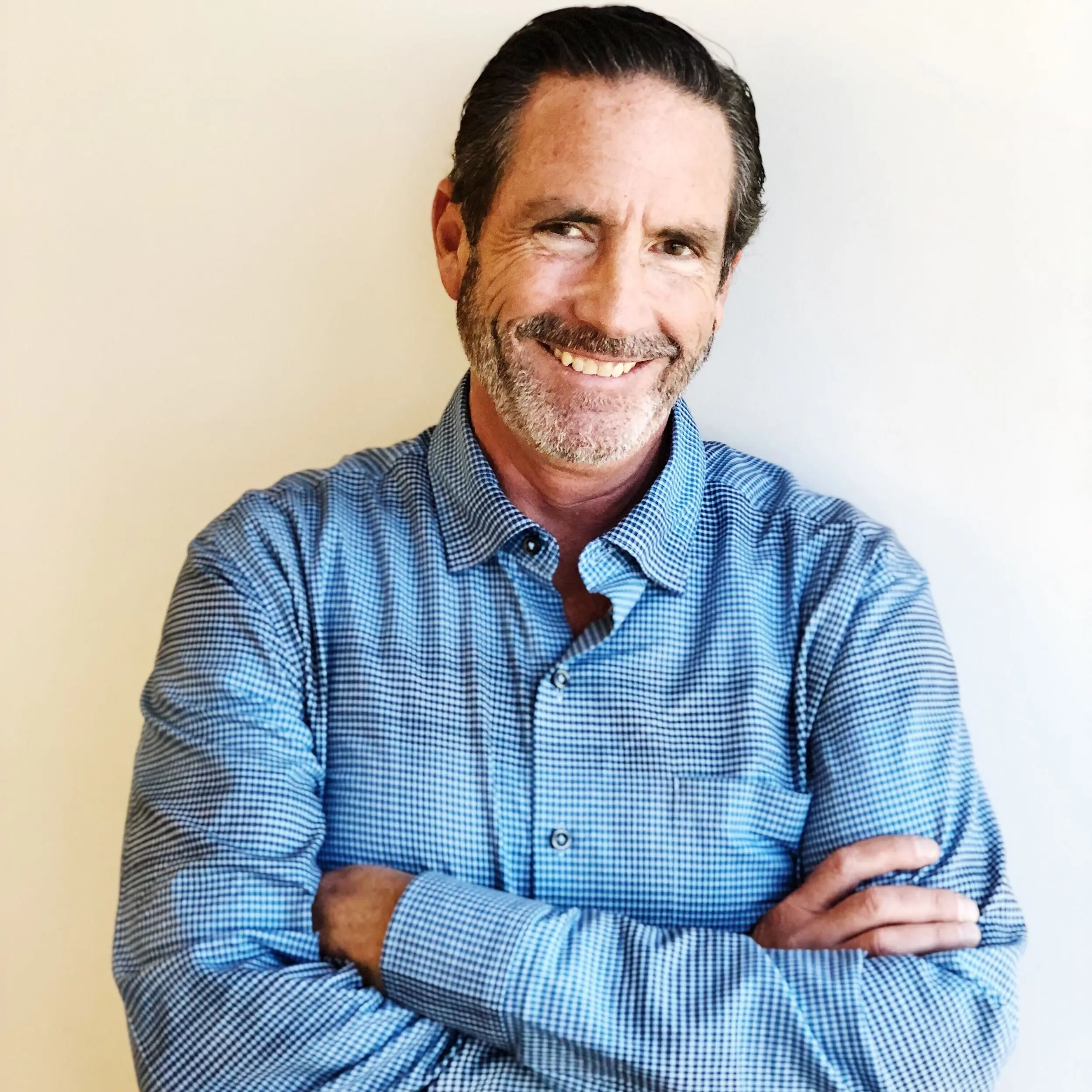




In this episode of Rush to Reason, host John Rush delves into the complexities of estate planning with Michael Bailey. Together, they discuss the importance of preparing for every stage of life, emphasizing that it’s not only about bequeathing assets but also about making provisions for the unforeseen. With real-life examples, the conversation underscores the nuances involved in estate law, taxation, and the crucial collaborations between financial advisors and estate planners to optimize legacy and peace of mind.
SPEAKER 03 :
This is Rush to Reason.
SPEAKER 09 :
You are going to shut your damn yapper and listen for a change because I got you pegged, sweetheart. You want to take the easy way out because you’re scared. And you’re scared because if you try and fail, there’s only you to blame. Let me break this down for you. Life is scary. Get used to it. There are no magical fixes.
SPEAKER 03 :
With your host, John Rush.
SPEAKER 12 :
My advice to you is to do what your parents did.
SPEAKER 17 :
Get a job first. You haven’t made everybody equal. You’ve made them the same and there’s a big difference.
SPEAKER 19 :
Let me tell you why you’re here. You’re here because you know something. What you know you can’t explain, but you feel it. You’ve felt it your entire life. That there’s something wrong with the world. You don’t know what it is, but it’s there. It is this feeling that has brought you to me.
SPEAKER 12 :
Are you crazy? Am I? Or am I so sane that you just blew your mind?
SPEAKER 20 :
It’s Rush to Reason with your host, John Rush. Presented by Cub Creek Heating and Air Conditioning.
SPEAKER 12 :
I am Hans. And I am Franz. And we just want to pop your ass.
SPEAKER 03 :
Welcome to Health and Wellness Wednesdays on Rush to Reason.
SPEAKER 18 :
Fat, drunk, and stupid is no way to go through life, sir.
SPEAKER 10 :
I have what doctors call a little bit of a weight problem. I used to grab bear claws as a kid, two at a time, and I’d get them lodged right in this region here.
SPEAKER 01 :
Exercise gives you endorphins. Endorphins make you happy. Happy people just don’t shoot their husbands. Let me tell you something you already know. The world ain’t all sunshine and rainbows. It’s a very mean and nasty place, and I don’t care how tough you are, it will beat you to your knees and keep you there permanently if you let it. But it ain’t about how hard you hit. It’s about how hard you can get hit and keep moving forward.
SPEAKER 21 :
I’m sorry that I’m fat.
SPEAKER 06 :
All right, welcome. Another edition of Rush to Reason, Denver’s Afternoon Rush, KLZ 560, the Health and Wellness Wednesday edition. Charlie Grimes, my engineer, of course. Okay, Michael Bailey joining us now. Michael, how are you, sir? And you were just on air a moment ago, and I saw you in passing. Yeah, I’m good. John, how are you? I’m good. It’s always good to see and hear from you. And the estate world is ever-changing, and I know I hear the ads talking about how the majority of people now with the new estate laws and the new caps, I guess you could say, most people won’t be affected by that. But that doesn’t mean you still shouldn’t have your affairs in order as far as the taxes go, I mean.
SPEAKER 14 :
Well, sure. I mean, just because it’s a $15 million estate tax limit before they start taxing your estate Doesn’t mean that that’s the only type of taxes to worry about. It’s like, okay, hey, I’ve got less than $50 million. Cool. Awesome. You know, that you don’t have to worry about a state tax. And people are like, all right, well, wait a minute. Where’s your money at? Oh, well, I have a million dollars in an IRA. I’m like, that’s going to be subject to income tax. And people go, well, wait, what do you mean? Well, if you have an IRA that pays out to people as they get the payout, they have to pay income tax on it. Oh, well, you know. Isn’t that taken care of by the estate tax? It’s not because there’s different types of taxes. So you’ve got to plan for all of those things, all the different types of taxes that might be there in an estate plan and not just ignore one of them and think that you’re good to go.
SPEAKER 06 :
Yeah, that’s a great point. And this is where, and I know we’ve talked about this a lot, Michael, we should. I mean, it’s where you and tax advisors and even folks like Al can all work together to determine, okay, what’s the best plan of attack when it comes to making sure that everything is handled once somebody, you know, passes or even becomes incapacitated. I mean, I wouldn’t be saying that if I didn’t already have gone through some of those things myself. And the reality is when things happen, you’ve got to make sure you have things in order completely. Exactly. Exactly.
SPEAKER 14 :
because, yeah, I mean, if you’ve got it, you’re like, oh, I put a million dollars in my IRA or my 401k. Cool. That’s amazing. That is awesome. Well, when you pay that out, what happens if you become incapacitated? Who can access that money? Who can use that money to pay for your care? Because if you end up with, like my grandmother did, having Alzheimer’s the last 10 years of her life, I had an aunt who was the one that was taking care of her. And so she needed to be able to access my grandmother’s money to be able to take care of her. And, you know, that’s set that up in a power of attorney. But then, like you said, working with Al or somebody like that, we’re like, dude, is the million dollars there? Is that really the best place for it to be? Right. Or are there other places where we can start to move it around so that it works better? And, you know, that’s kind of Al’s where Al is and what Al does. So, you know, I work closely with Al with a lot of clients so that we can, you know, get to get the most money passed on to your kids and, frankly, the least amount to the government.
SPEAKER 06 :
Yeah, I mean, not that we don’t like all paying our fair share, but the reality is we don’t want to pay any more than our fair share, and the reality is most people throughout their lives have paid more than their fair share, so let’s try to keep as much of that in the estate as we can, right?
SPEAKER 14 :
Yeah, yeah. I mean, if you really want to pay everything to the government, go for it. But most people that I know would rather get to their kids or their loved ones rather than the government.
SPEAKER 06 :
Exactly, exactly. Now, again, that’s where you guys come into play. I say you guys, you initially, but that’s where you work with financial advisors and those of you that either use OWL or have others that you use. It’s very important to make sure you’ve got all those things dialed in. And again, Michael, I know you do all those things. And the things that… that you work in combination with on that side of things, and it’s not taking anything away from financial advisors, but they’re not estate planners. In other words, what they may say might work for their end of things, but when it comes to that particular estate, may not.
SPEAKER 14 :
Well, I mean, there’s different strategies that go into different plans, and one strategy that works really well for someone may not work for another, and You know, sometimes people, um, you know, some are like, oh, well, you know, or, you know, get the financial planners like, oh, well, I went to a seminar on this, so we need to do it that way. Say, well, here’s the drawbacks. Here’s why that may not work, but we can do this. You can still do your thing as a financial planner. We’re just going to structure it slightly differently because that’s going to work out better for this family or that family. And so, you know, that that’s where we want to, you know, have the conversation of what’s going to work best for this family or that family. and not just a one-size-fits-all type of solution.
SPEAKER 06 :
Yeah, and I think that’s one thing we touch on periodically, and we need to probably touch on it now, is especially with the advent of AI and the ability to build documents and so on, and not saying, not taking anything away from AI at all, Michael, but at the end of the day, AI doesn’t know you, your situation, everything about you, and you might think that it does, but the reality is even as much as you feed into it, it’s not going to know every little detail, and that’s where you come into play. AI can’t do that.
SPEAKER 14 :
At least not yet. Maybe it’ll get there, but for right now, people are like, oh, I did this via AI. I’m like, that’s cool. Does your AI program, is it taking into account the difference between Colorado law versus Wyoming versus Florida or Arizona or Hawaii? And so if you’re here in Colorado, we’ve got slightly different rules, maybe some good, maybe some bad, maybe some better, maybe some worse rules. than other states. But there’s also the, you sit down and you’re like, Oh, well, you know, I need to do an estate plan. Okay, cool. You know, if, you know, I have people who will tell me, Oh, well, you know, so my third child has down syndrome. Like, okay, well that completely changes the conversation of how we can protect money so that that child could be taken care of. And you know, that’s looking at what someone is and what’s important to them because sometimes There’s an estate plan, and you’re like, okay, we’ll do this. They’re like, oh, but I don’t want the courts to be involved at all because I don’t like the courts. My dad got arrested, and I never want to set foot in a courtroom again. I’m like, well, then we probably ought to do something to avoid going to court. So all of those things that you… Other people are like, well, I don’t trust any of my family members. I need the court looking over their shoulder. So I’m like, well, then we don’t want to do a trust. We want to do… Those type of things. What is going to work for you? What’s the best for you? What is… And I give people options. I’m like, here’s the options. Here’s the good and bad and the ugly of all of them. Which one are you most comfortable with?
SPEAKER 07 :
There you go.
SPEAKER 14 :
Because when it comes down to it, it’s their choice, not mine.
SPEAKER 06 :
That’s right. I do have a quick question, Bob. I’ll let you have it. We’ve got a couple minutes before we go to break. Bob, go ahead. You’re on with Michael.
SPEAKER 12 :
Well, I’ll try and speed this up. You know, there’s a lot of us out here that are – down, you know, our estates are simple, and I’m one of them. So I have one beneficiary, it’s my ex-wife, and we have known her for, oh God, 50 years. So the big one was, is I used a beneficiary deed of trust. I own a house, free and clear, worth $800,000, $900,000, something like that. She’s got a beneficiary deed of trust, so she would inherit that at the value of my debt. And then that’s not an issue. I put her on, we have joint accounts, but she’s fairly well off, too. I mean, if I had her money, I’d throw mine away. But anyway, all of our accounts, we have made those joint, and they’re all, what do you call that, PODs, pay on death. I could drop dead while we’re on the phone here right now, and I wouldn’t pay anybody a nickel to settle my estate, no one. Okay, right.
SPEAKER 06 :
Perfect. Good for you, Bob. That’s a good way to do it. Bob, I appreciate the phone call. No, that’s perfect. And, yeah, as you know, Michael, and according to what Bob just said a moment ago, yeah, everybody’s different and every situation is unique, and that’s where you come into play.
SPEAKER 1 :
Right.
SPEAKER 14 :
And if a beneficiary deed is all that you need to transfer a house because you’ve got pay-on-death designations and everything there, then you’re good. But, you know, the part that, you know, I’m sure I would imagine that Bob probably has, is what happens if you become incapacitated? You know, who can make decisions for you? Do you have your powers of attorney in play and in place? And so, you know, I assume Bob does, but since he’s not on the phone with us anymore, it’s hard for me to know. But estate planning is not only what happens to your stuff when you die, but how do we get from here to there?
SPEAKER 05 :
Right.
SPEAKER 14 :
Because we’d like to say that we all just drop dead of whatever it is, but the reality is that people get sick. They get incapacitated. They have Alzheimer’s like my grandmother did the last years of her life. And so you’re planning for that too, not just when you’re dead, but when you’re kind of in that in-between space. You still want somebody to take care of you. And most people that I know have somebody they’d prefer to take care of them. For me, I’m like, hey, I have my lovely wife. I would prefer that she make decisions for me. Other people don’t have a lovely wife. And so they want somebody else. But, you know, sometimes, I mean, I have four siblings. I have a couple I’m okay with and one that I’m, like, not so sure about that I would want to be making decisions for me. There you go. So you want to pick who you want instead of leaving it up to the default.
SPEAKER 06 :
Yep. I agree. Michael, what’s the best way for folks to call you, sir?
SPEAKER 14 :
Phone number is 720-394-6887. And, again, that’s 720- 833-946-887.
SPEAKER 06 :
All right, Michael, I appreciate it. And if you miss any of that, you can go to klzradio.com, find Michael there, or rushtoreason.com. Michael, man, I appreciate it. I’ll see you next week. All right, yep, sounds great. All right, appreciate it very much. Leo Park’s going to join us here in just a moment. Veteran Windows and Doors is coming up next. Make sure you save the most money on Windows and Doors today by going direct to the source that is Veteran Windows and Doors. Find them at klzradio.com.
SPEAKER 21 :
Our trusted partner, Veteran Windows and Doors, can install your new windows and doors even in the winter. No one wants to wait until summer to replace their failed windows. You’re feeling the cold now, and your energy bill is too high because you’re paying for heat that is escaping through insufficient, failing windows. With Veteran’s cold weather installation process, when they install windows and doors in the winter… We’ll see you next time. Get energy-efficient windows now with veteran windows and doors. Find them at klzradio.com today.
SPEAKER 06 :
All right, group insurance analyst, e-gia.com. All your insurance needs, one-stop shopping, e-gia.com.
SPEAKER 04 :
Finding insurance can be confusing and picking the wrong plan can cost you thousands of dollars out of your pocket. You need an independent insurance broker to help you find the best coverage that fits your needs and at the very best premium. Call Paul Linaigro at GIA Insurance and his team of independent insurance specialists will help you find the right plan for your needs. As independent brokers, GIA Insurance does not work for any insurance company. They can shop the market and find you the best premium for the coverage that you need. GIA never charges fees and your premiums will never be any higher than going directly to the insurance companies or buying online. Receive the local hands-on service you don’t get with a call center or online. Whether it is your home, auto, Medicare, life, ACA, health or business insurance, GIA has got you covered. They’ve been doing this as independent brokers since 1984. Call 303-423-0162, extension 100, or go online to e-gia.com.
SPEAKER 03 :
Listen online, klzradio.com. Back to Rush to Reason.
SPEAKER 06 :
All right, welcome back. Rush to Reason, Denver’s Afternoon Rush, KLZ 560, our Health and Wellness Wednesday edition. Leo Park joining us now. Leo, welcome. You are CEO of Soul Beauty Club.
SPEAKER 16 :
Hey, John. Hey, everybody. Thank you for having me.
SPEAKER 06 :
I appreciate it very much. And skin care is becoming, as you know, Leo, a bigger and bigger deal for a lot of people. It’s no longer just a subset of individuals. It used to be that mostly ladies took care of their skin, and that may have depended upon even what stage of life they were in. Skin care now is becoming something that literally starts for a lot of people at an early age, goes on into their late ages. It’s not just for ladies anymore anymore. But according to my notes and what you’re saying is there’s a recalibration underway. Talk about that.
SPEAKER 16 :
Yeah. Generally speaking, we are a Korean beauty supplier, especially targeting the U.S.
SPEAKER 05 :
Right.
SPEAKER 16 :
And we’re seeing a big change in how Americans or the people in the West perceive skin care.
SPEAKER 08 :
Okay.
SPEAKER 16 :
Because traditionally it was, you know, French skincare, Western skincare, American skincare was more focused on correction and also makeup over skincare. But, you know, due to like, you know, the global content algorithm and, you know, COVID obviously. A lot of people are paying more attention to skincare, and a lot of Asian skincare products and brands are expanding to the West, including the U.S., because of that.
SPEAKER 06 :
Okay, and I know from my wife and even others, ladies, my sister, that some of the Korean… maybe is the best way for me to say that, Leo, literally are some of the best in the world. And I didn’t know that until listening to some, again, folks that were close to me. What makes what you guys have going on so different?
SPEAKER 16 :
So manufacturing is especially, you know, generally it’s pretty good in Korea. But about 10 to 15 years ago, starting about 10 to 15 years ago, Chinese people started buying Korean skin care. So there were a lot of KPEX investments being made in Korean skincare manufacturing. So a lot of global funds. I was a corporate lawyer before I started this. A lot of global funds as well as sovereign wealth funds, they invested in Korean manufacturing of skincare. So there were a lot of these investments being made in terms of the infrastructure and manufacturing facilities. So the formulation cycle and the R&D capabilities in Korea, it’s amazing.
SPEAKER 06 :
It’s world class. You guys, again, it really is. It is world class. And at the end of the day, and again, you’re talking about the quality, the things that you guys do different. But again, some of the things that I have learned along the way is it’s not only the quality of the product. In a lot of cases, Leon, this is what you want to talk about is it’s, I mean, the quality of the product, that’s a lot to do with it. But it’s even the technique or the, I guess you could say, and I’m kind of a novice at this, so correct me if I’m saying something wrong, but I think even the step-by-step process that you guys do is different than what a lot of folk may be used to when it comes to skin care. And am I saying that the right way?
SPEAKER 16 :
Yeah, yeah. I think that’s a generally correct statement. So I do a lot of interviews with the women in the U.S. because we’re mainly marketing the U.S., And one of the things I noticed is that our philosophies of how we build routines and use products, and even how we name products, are very different between the US and Korea. And a lot of the times, women, especially in the Midwest where it’s dry and there’s a lot of sun exposure, people use very, very strong active ingredients. and prescription drugs, including tretinoin, to target anti-aging, like wrinkles and fine lines and whatnot. But a lot of the times, that leaves out and that blocks hydration to your skin. And I think that’s like the most important layer that is different from Korea and the U.S. A lot of Korean people, like most Korean people, they know that hydration is important. And they know that skin barrier support and health is very much important. And that should be dealt with. And, you know, you should take care of your skin barrier before you start iterating on active ingredients. And a lot of this, like, you know, philosophy and educational layer, there’s a gap there. And we’re actually, you know, trying to focus on education and translating that layer for the American people.
SPEAKER 06 :
How early should folks start taking care of their skin? I mean, I know that as we age, things just sort of naturally start to, you know, quote-unquote deteriorate, although I’ve seen this for myself. If you start at an earlier age, and that’s the question I’ve got is, you know, how early? For a lot of folks that are listening that have, you know, they themselves may be younger or they’ve got, you know, kids or grandkids or what have you. I mean, at what age should people really start paying attention to what we’re talking about?
SPEAKER 16 :
So I have a four-year-old girl, right? Okay. I put on basic moisturizer without heavy ingredients or anything bad on her skin, and I always put on mineral sunscreen on her face. You don’t want to use chemical sunscreen when you’re younger because it could infiltrate into your eyes and create problems. But mineral sunscreen, you have to start as soon as you’re one. We really think that, and a lot of people would do that in Korea. But when you’re in your teens or your 20s, I think just putting on a basic moisturizer is okay, as long as you don’t have a specific skin concern or issue. But when you reach your 30s, you know, men or women, your skin starts to dehydrate and changes happen to your skin, right? Then you would have to start building real routines and active measures to protect your skin from aging and dehydration.
SPEAKER 06 :
Question I just got in from my wife, by the way, she’s listening, says, how do you know you’re getting good Korean skincare products in the first place outside of you guys?
SPEAKER 16 :
I think right now a lot of the distributors in the U.S. are sometimes unreliable. I’ve heard of stories where you get fake products when you buy off big retail stores even. I would say there’s a good selection of products at Costco even. And also at Target there’s some good products that’s coming in. But In terms of reviews, I think I would have to say you might want to look up websites like Olive Young and also HWHAE. I think I would recommend HWHAE because it’s more authentic in terms of reviews. It’s a Korean site, but they have a global website, and I would defer to those websites.
SPEAKER 06 :
Perfect. And you know one thing I didn’t ask, and I apologize, Leo, what’s your website? How do folks find you guys?
SPEAKER 16 :
We’re www.seoulbeautyclub.com. And we curate for the 30-plus. So we have members who are in their 30s, 40s, 50s. We don’t really deal with younger people. And our thesis is that because Korean Beauty has been doing marketing on TikTok a lot for the U.S. market and B2B sales, a lot of these products that are being marketed here are younger people targeting. And there’s a lot of good products that target people like me, I’m 35, and above in Korea, but they’re not being marketed as much in the U.S. So we’re trying to bring those products in, curate, and we’re a tech company, so you’re able to curate, and we recommend a routine with our AI and everything to really fill that gap of philosophy.
SPEAKER 06 :
And, again, I want to make sure I say this and get your advice on this as well. It’s not just for women anymore, and I know that might sound a little odd to some of the guys that are out there, but this is getting to the point where it’s affecting male and female alike. Am I right in saying that, Leo?
SPEAKER 16 :
Definitely. Our website copies, it’s women targeting, actually, but we actually have a lot of male customers. And a lot of the times, I think Korean formulation is good for men. because a lot of men in the U.S., I don’t think they like shiny texture of cream on their faces. And a lot of the times, Korean formulations are more gentle, and it doesn’t really shine. It’s not very oily, right? So a lot of men, I think, are going to benefit from it, because it’s more cost-effective as well. And there’s a lot of lines that target men, specifically in Korea, because a lot of men in Korea, they groom themselves.
SPEAKER 06 :
Makes sense. Makes sense. Again, for all of you listening, and I’m at the website myself, it’s soulbeautyclub.com, S-E-O-U-L, beautyclub.com. And Leo, I’d love to have you back. Anytime something comes up, something new, a new product, something you want to highlight, you are more than welcome to come back. I know a lot of folks listening are very interested in what you guys have. So if there’s things that come up and you want to highlight them, by all means, reach out to me and we’ll get you back on air. I would love to.
SPEAKER 16 :
Amazing. Thank you.
SPEAKER 06 :
You’re very welcome. Leo, have a great evening, and thanks for your time today. I appreciate it greatly.
SPEAKER 16 :
You too. Thank you.
SPEAKER 06 :
Have a great night. No, I appreciate it. And again, that’s Leo Park. He is CEO of Seoul Beauty Club. And I think for a lot of you guys, you may not know this, but most of you women do, the Korean beauty care products are, and I’ve learned this because of who I’m around, married to, like I said, my sister and so on, And reality is, yeah, they make some of the best products that are out there. So it was nice to have him on. That’s the name of the website for a lot of you ladies. But really, men, same situation. Take care of your skin. And I know I’ve said this before. We’ve even had interviews on this. It is our largest organ. We don’t think about it that way. We don’t think of taking care of our skin like we would even, you know, our heart and our muscles and other things that we have going on in our body. But our skin is our largest organ, and we should be taking as good a care of it as we possibly can. Ridgeline Auto Brokers coming up next. Make sure you’re dialed in when it comes to your next used car, your new used car, I should say. RidgelineAutoBrokers.com is a place to shop.
SPEAKER 04 :
Looking for the right car at the right price? Ridgeline Auto Brokers makes it easy. They specialize in quality vehicles priced between $15,000 and $25,000, perfect for first-time drivers, families, or anyone who wants real value without the hassle. Every vehicle is thoroughly inspected by Legacy Automotive, a trusted drive radio sponsor. That means you can buy with confidence, knowing your next ride is ready for the road. No dealer fees. Competitive financing and trades are welcomed. A 30-day warranty on every vehicle and your first oil change is just $1. Explore detailed videos of every car at RidgelineAutobrokers.com before you visit. Ridgeline also has a great consignment program to assist you in the sale of your car, truck, or SUV. So if you’re ready to buy, trade, or sell your vehicle, call 303-442-4400. And Paul Leuenberger, he is my insurance broker. He would love to help you with all of your insurance needs. Give him a call today, 303-662-0789.
SPEAKER 02 :
Even in the age of AI, looking for the right insurance can be a huge hassle. Paul Leuenberger has you covered without the hassle. He works with the best in the business. Hartford, Travelers, Safeco, Liberty Mutual, Nationwide, Allstate, AIG, Chubb, Pure, Berkeley, Grundy, Hagerty, and more. He’s local, independent, and licensed in Wyoming, Colorado, Arizona, Nevada, and Texas. and he’s expanding into more states soon. Paul’s mission is simple, to find the right coverage at the best value and to treat every client like family. So whether you’re shopping for home, auto, or something more unique, don’t shop online. Call Paul at 303-662-0789 today. That’s 303-662-0789. Paul Leuenberger, insurance made easy.
SPEAKER 17 :
So many people in the Denver area were affected by the recent power outages. For some, the best case was a loss of food in the refrigerator or freezer. But for others, it was a challenge to earn a living, and some people unable to care for their family. One great solution? The house battery. When your power goes off, it comes on. And the great news is, all who sign up for at least one house battery get a $5,000 rebate check if you have Xcel Energy. Call Allen Davis at 303-378-7537 and make power outages a thing of the past for your home. Email Allen at davis at omnipower.solar.
SPEAKER 03 :
This isn’t Rage Radio. This is Real Relatable Radio. Back to Rush to Reason.
SPEAKER 06 :
All right, we are back. Health and Wellness Wednesday. Rush to Reason, Denver’s Afternoon Rush, KLZ 560. And I got a couple of text messages on our last guest. Yes, really quick, let me reshare his website for those of you listening. It is soulbeautyclub.com. S-E-O-U-L. So soulbeautyclub.com. And you can sign up for whatever you want to. You can buy things individually. You can sign up for one of the clubs where you get a certain amount of things sent to you on a routine basis based upon your usage, of course, and so on. And good, great website. So those of you listening, if that’s something that you’re interested in, some of you ladies especially, but men, you as well. I know that sounds, you know, funny to some people, but yeah, there’s all sorts of things that they sell. And by the way, great website, and you can find all sorts of information there as well, even things that you should be doing, not doing, and so on. And yes, as I was saying earlier, your skin care, our skin, let me say it that way, our skin, of course, is our largest organ. Real quick, I think I can squeeze this in question of the day today. Yesterday’s was, what movement opposed alcohol before prohibition? Temperance. Temperance is the answer. That was the start of the 19th century. The temperance movement emerged as a powerful social force in the United States, driven by concerns that alcohol contributed to widespread social and moral problems. It was led by religious leaders, women, and reformers. The movement sought to reduce or eliminate alcohol consumption to promote a more disciplined and virtuous society. Now, today’s impossible question, and this one you probably know from some of the movies that some of you have watched, and I won’t say which movie this comes out of, but what part of the brain regulates breathing and heart rate? What part of the brain regulates breathing and heart rate? That is the question of the day. And, again, don’t forget, you can always answer the question of the day. Just go to our Facebook page, Rush to Reason, and that’s where those are posted. We no longer put those up on the website. Haven’t done that now for quite some time. So if you really like the question of the day and you like answering, you can always, by the way, send a text message of the answer as well, and a lot of you do that as well, which you’re more than welcome to do. The text line, of course, 307. 207-282-22. 207-282-22. Our next guest joining us now, and make sure you pronounce your last name right, Dr. Francisco, is it Contreras? Am I saying that right, Dr. Francisco?
SPEAKER 11 :
Perfectly.
SPEAKER 06 :
All right. Well, I appreciate you joining us. You’re an oncologist, 40 years of experience, and director of Oasis of Hope Hospital. You’re a pioneer in cancer therapy and author of The Hope of Living Cancer-Free. So cancer is a big deal. In fact, I can’t remember the stats. You would know this probably better than I, but is it like of all the people out there, it’s like one out of three either know somebody or is close to somebody that has cancer, or am I a little bit high in my ratio there?
SPEAKER 11 :
No, no, in America, not in all of the world, but especially in developed countries, about one in three will develop cancer in their lifetime.
SPEAKER 06 :
Okay, so my memory served me well. Now, dumb question on my part, and this isn’t necessarily, I hadn’t really thought about this until you just said that, you say developed countries. Is it higher in developed countries than non-developed countries, and if so, why?
SPEAKER 11 :
Mainly because it is, and mainly because of lifestyle.
SPEAKER 06 :
Okay. Meaning we don’t get the exercise we should, we eat the wrong things, all of the above?
SPEAKER 11 :
All of the above, and you have too much money sufficient to kill yourselves, whereas we don’t. Unbelievable.
SPEAKER 06 :
Unbelievable. Okay, so when you talk about cancer and some of the cancer breakthroughs and so on, and just as a side note, I think I talked last week about choleric cancer in the United States now is becoming one of the bigger things that’s killing people 50 years of age and under, where it wasn’t a big deal that many years ago. I have my thoughts on why some of that even is, but… When it comes to living cancer-free, what are some tips? What are some things that our listeners should be doing to… And I’ve also been under the understanding, Dr. Francisco, and tell me if I’m right, wrong, or otherwise, that all of us have a certain amount of cancer cells. It’s a matter of how well our body does at keeping those at bay. Is that correct or not?
SPEAKER 11 :
That’s correct.
SPEAKER 05 :
That’s absolutely correct. Okay. So how do we keep them at bay?
SPEAKER 11 :
Well, I… I will give you three tips that are extremely effective, and these are based on many studies that are published in the medical literature. The first one is that you should consume the food pretty much as the way God put it on this earth. So the less manipulated by the industry, the better you’re going to fare. And if you add the correct food Five portions of fruits and vegetables a day, even if you don’t change that much the rest of your diet, you will reduce the possibility of getting cancer by 50%. Wow. Just by adding the fruits and vegetables.
SPEAKER 05 :
That’s a lot.
SPEAKER 11 :
Now imagine if you take away all of the junk. Right. Well, then that’s going to be better. Right. The other one is exercise. People that exercise four hours a week. also reduce the risk of developing cancer by 50%. So right there, you reduce the risk a lot. And the third one is just to be happy.
SPEAKER 05 :
Really?
SPEAKER 06 :
So our attitude has a lot to do with this?
SPEAKER 05 :
A lot, a lot more than people think.
SPEAKER 06 :
Wow. That one, you know, I’ve heard some of the other things. I’ve talked a lot during this Health and Wellness Hour, Dr. Francisco, about exercise and, you know, the types of food and what to eat and not eat and all of that. We have dieticians that come on routinely and folks that are experts in exercise and, you know, working out and all that kind of stuff. And rarely, it’s not that we’ve never talked about it, but rarely have I ever heard somebody say, you know what, living a happy life will fend off cancer. I don’t know that I’ve ever heard that.
SPEAKER 11 :
Oh, well, that’s another one of the reasons why in underdeveloped countries, the rate of cancer is usually less, because in most of our countries, like in Mexico, people tend to be less stressed, and we are happier with less things. And it plays a major role. Why? Because stress and anxiety deteriorate the quality of our immune system significantly.
SPEAKER 06 :
That one, I mean, I guess it makes sense. The happier we are, the better our internal receptors are and the way that we’re handling things, including even Dr. Francisco, gut health and all sorts of other things. When we’re not uptight or have anxiety or nervous or whatever, we just are more healthy along those lines. So now that you say that, it makes… Total sense. I honestly, though, I wouldn’t have said that, and I interview a lot of people, and I have over the years, I wouldn’t have said that without talking to you.
SPEAKER 11 :
Well, I’m glad that you’re able to. To share that with your public.
SPEAKER 06 :
What you’re saying makes a lot of sense. And I think, I mean, you’re giving us three things that honestly anybody can do. I mean, we can all eat a little better. No doubt about that. We can all exercise more. You know, four hours a week isn’t by any means, you know, an overload when it comes to exercise.
SPEAKER 11 :
And that could be simply half an hour a day.
SPEAKER 06 :
Yeah, just simply walking, doing things along those lines. And then lastly, you know, be happy. Now, I will say, and maybe I’m wrong in saying this, Dr. Francisco, but of the three things you just laid out, I would say, and maybe, again, maybe I’m wrong, but I would say number three is the hardest for some people out of the list.
SPEAKER 11 :
It’s true. It’s true. And the main reason for that is that especially in developed countries, people are too stressed. And it’s difficult to control because life is complicated.
SPEAKER 06 :
Yeah, no, you’re right. It is. It is. Now, question I have for you, and maybe this is something you want to address or not address. Once somebody does have cancer, and I… This is an area where I by no means am an expert. I know there’s lots of different treatments. There’s some that, you know, some folks look highly on, others look down on. You know, there’s, you know, natural type treatments and so on. What are your thoughts as to when somebody gets cancer, what do they do next?
SPEAKER 11 :
Well, The first thing is that cancer is not necessarily a death sentence. And there are many, many options for patients within the alternative and within the natural home. So the best thing is for people to know what’s available so that Because not everything that is conventional is bad, and not everything that is alternative is going to be effective. So what we do at the Oasis of Hope is a combination of the therapies, and we have been very, very successful in doing that. Okay.
SPEAKER 06 :
And when you say combination of, give us some examples of some. And please, everybody listening, if you have cancer, you’ve got to go do your own due diligence and so on. But give us some examples. Okay.
SPEAKER 11 :
So, for instance, there are some cases where chemotherapy actually shines. For instance, in lymphomas, there’s a 90-some percent chances of you being cured. Even in advanced cases, leukemias also respond quite well. But cancer of the colon, cancer of the stomach, the people that take chemotherapy have shorter lives and devastating lives. Because of the therapies. So there is where alternatives can be very, very helpful. And if we combine, let’s say, a low-dose chemo, which we do very often with high-dose vitamin C, hyperthermia, some very potent immune therapies, the results are very, very encouraging. Okay.
SPEAKER 06 :
Okay. Talk to us about, and this kind of goes back to the whole, you know, on the front side, and this is something that’s becoming big in America right now, and I want to highlight this because it’s in my notes and I wanted to ask you this anyways, and that’s the food dyes. And we’re seeing already what some of the manufacturers of, you know, foods and so on are starting to do. I mean, Dr. Francisco, is that something where, you know, and I’m a label reader, should we be reading, you know, more and more labels along those lines and trying to avoid food dyes? In other words, is that part of our cancer problem as well?
SPEAKER 11 :
Yes, it is. And I’m very happy that now finally you have a government that is addressing those things. It is virtually impossible for us to read all of the labels. And then we’re going to read things that we don’t understand. And the less we understand, the farther away we should stay from those foods. But it’s also impossible to stay away from everything that’s chemical in this world. We still have to breathe and everything is. So then the level of stress is much higher. I think that as long as we try to consume as much as possible the food the way that God intended us to consume it, that is just plant it and get it, the animals don’t use antibiotics and hormones and all of these things, then we’re going to fare much better. And if the government actually makes changes in those, you are going to see that we’re going to be living longer and better.
SPEAKER 06 :
Medical freedom laws, talk about that for a moment as well, something I have talked about a little bit on this program, not necessarily during this hour, but talk to us about that and how that alone is also going to have some advantages.
SPEAKER 11 :
Well, it has the advantage that doctors are going to be more able to to recommend to patients more natural things and more natural remedies, even for things that are not so complicated. And so, for instance, antibiotics are abused nowadays. When I was studying medicine, and I graduated 50 years ago, for instance, we would never prescribe an antibiotic until after the third day of an infection in children. Because in about 75% of the cases of infections in children, they resolve themselves on their own. Okay. Okay. Makes sense. And so nowadays, you know, you have fever and flu. Three hours later, the doctor is already giving you antibiotics. And that’s why more and more antibiotics have been developed, more expensive and more toxic, because there’s so much resistance now of the bugs that cause the infections. And it’s just become a lot more complicated. So if we would go back to the older days when we allowed things to, you know, the process of most infections, we would be taking a lot less antibiotics. And so there would be a lot less resistance. So this thinking that when you allow the doctors to do common sense things instead of things by the book and being afraid of lawyers, I think that has complicated our lifestyle and our health significantly. So I think that a law like this will be very good.
SPEAKER 06 :
I agree, because really, for all of you listening, what this does is the medical freedom laws, essentially what they do is, to your point, Dr. Francisco, it allows the doctors to start giving out, in some cases, multiple choices as to what that patient may want to go do, even go do some research on their own, and at the end of the day, have more than just take this pill. And really, for years, Dr. Francisco, that’s been the answer is, oh, here— Here’s a prescription. Go to the pharmacy. Get that. Take that. And then off we go. And I think we’ve learned through the years, Dr. Francisco, that’s not really health care.
SPEAKER 11 :
It hasn’t. It hasn’t helped people. And that’s why, again, in developed countries, people are sicker. In Mexico, we don’t have the money to do all of those things. And so most doctors in Mexico, we have a great knowledge of natural remedies for our people because they wouldn’t have the money to go and buy an essential antibiotic or food supplement that are extremely expensive. And so we help our people by helping them, you know, use the natural remedies that have been used for centuries.
SPEAKER 06 :
Awesome. Awesome. This has been fun. I’ve enjoyed talking to you, Dr. Francisco, director of Oasis of Hope Hospital. And folks want to know more about you and follow you. How do they do that?
SPEAKER 11 :
Look us up at oasisofhope.com. Oasisofhope.com, you will get all of our information, and if you have a malignancy, we are very, very effective in treating cancer.
SPEAKER 06 :
Okay, that’s very good to know. The book, The Hope of Living Cancer-Free, how do folks buy that?
SPEAKER 11 :
On our website, you can actually get it for free. You can download it, but… Or call us, and we’ll make that book available to you.
SPEAKER 06 :
Okay. I appreciate it. This has been great. I’ll have you back in the future, Dr. Francisco. I’ve learned a lot. I appreciate your time. And again, for all of you listening, Director of Oasis of Hope Hospital, Dr. Francisco Contreras, thank you very much. I appreciate it, sir. You’re very welcome. God bless. God bless you, too. I really appreciate him. And he, as you can tell, has a whole different outlook and an approach when it comes to curing cancer. And not saying that some of the traditional means we have, like chemotherapy, shouldn’t be used, but also looking at some of the other alternatives that are out there when it comes to cancer itself. Dr. Scott, who, by the way, he and Dr. Francisco would get along really, really well, Dr. Scott would, because they think alike. And if you want a doctor that thinks like Dr. Scott, call him today, 303-663-6990.
SPEAKER 13 :
What if you could get over 110 lab biomarkers tested, just like Dr. Mark Hyman advertises, but for a fraction of the cost and with a doctor who actually explains the results? At Castle Rock Regenerative Health, Dr. Scott Faulkner has recreated this powerful biomarker test panel at a substantial savings. We have a special price for both men and women. Just $689. That’s a savings of over $2,500 over the standard price. And here’s the difference. With Hyman, you get numbers on a page. With Castle Rock Regenerative Health, you get Dr. Faulkner and his team walking you through every result, showing what’s off and creating a personalized plan to fix it. What’s even better, you don’t even have to be a concierge patient to get this pricing. This is open to everyone. Think about it. Most people’s deductible is higher than this special price. And your regular doctor, if he could get approved by your insurance, would never order this many tests, let alone know what to do with them. Call 303-663-6990 today or visit CastleRockRegenerativeHealth.com. That’s 303-669-6990. Take control of your health at Castle Rock Regenerative Health.
SPEAKER 06 :
Roof Savers of Colorado, whereby if you’re looking to have a longer life of your roof, in other words, save money, not replacing the roof but extending the life of, and by the way, it saves money on insurance in a lot of cases as well. In fact, you might have an older roof that the insurance company doesn’t even want to insure. In a lot of cases, Dave can help you with that and help you still keep your insurance intact. 303-710-6916.
SPEAKER 15 :
More and more homeowners are getting letters from insurance companies, canceling policies, or reducing coverage over aging roofs. And heading into winter, that’s the last thing you need. Roof Savers of Colorado can help. Roof Savers can apply RoofMax, a bio-friendly treatment that restores your shingle’s flexibility and extends roof life up to 15 more years, helping you meet insurance requirements without a full replacement. And it comes with a full five-year warranty, giving you peace of mind. And if a RoofMax treatment doesn’t make sense for your roof, we can replace it quickly and professionally before the snow piles up. Call 303-710-6916 or visit RoofSaverCO.com for your free roof assessment. KLZ listeners receive $250 off their treatment. Call today and receive an additional $150 off your RoofMax treatment through the end of December. Roof Savers of Colorado, protecting your roof, your home, and your insurance coverage all winter long.
SPEAKER 03 :
Suck it up, buttercup. Back to Rush to Reason.
SPEAKER 06 :
And we are back, Rush to Reason, Denver’s Afternoon Rush, KLZ 560. Thank you so much for tuning in today. I appreciate it, by the way, health and wellness. I always get lots of text messages during this hour, so I appreciate all of you listening. And our special guests that we have, please go check out their websites, in this case, Dr. Francisco’s book, and especially those, well, one and three. All of us know somebody. that has cancer. And sometimes you all listening may be one of those individuals. And it’s never fun. I’ve been through that with family members. I personally have never had any cancer. But you know what? None of us are immune from that. And everything Dr. Francisco was talking about are things that are very important that we need to stay on top of. Joe sent me an article, Jersey Joe, that I went ahead and shoved in here to Health and Wellness Wednesday today. A cup or two or three of coffee or tea a day helps keep dementia away. So people who drink the most caffeinated coffee had a lower risk of dementia in comparison with those who drank the least. A long-term observational study found. By the way, this is coming out of NBC News. So coffee and tea lovers rejoice. Decaf fans rethink. Those cups of caffeine could lower your dementia risk, new research suggests. In a long-term observational study of nearly 132,000 healthy adults… Daily consumption of two or three cups of caffeinated coffee or one to two cups of tea was associated with lowering dementia risk, slowing cognitive decline and preserving cognitive function. The findings were published Monday in the Journal of the American Medical Association. Now, I’m not a doctor. But here’s where I will tell you why I think this is the case. And again, I’m not a doctor. But being around my father and dementia and Alzheimer’s and reading as much about it as I can and so on, here’s my thought process. And I think Dr. Scott would probably back me up on this. The reason why… In this particular case, two or three cups of coffee a day helps with dementia is because caffeine will inflate your heart rate, meaning your blood flow starts to increase. Again, I’m not a doctor, but these are common knowledge things. And it’s that blood flow and blood flow to the brain. that actually keeps your brain healthy, and we’ve talked about that here on this program many, many times. In fact, the types of food that you eat in relation to that blood flow to your brain and keeping your brain healthy, those are the things that actually you need to be doing to stave off dementia and Alzheimer’s. So my gut feeling, and I didn’t read through this entire article because, frankly, I don’t read every single word of every article that you guys all send me. I do my best to scan it and look at it, but my gut feeling is, that that’s exactly why this helps. Now I’ve kind of scanned through this and I don’t see anybody really saying what I just said in this particular article, but that’s my gut feeling. And so for a lot of you where, where it comes to, you know, they’re talking about how there’s some trace minerals and so on and vitamins when it comes to, you know, caffeine. And in some cases there’s some anti-inflammatory properties and so on. But my gut feeling is that, The biggest reason why this is a safeguard, again, is because of the fact of you’re basically increasing your heart rate, which is going to increase blood flow, which then increases blood flow to your brain, which, by the way, is different than it is when it comes to energy drinks and things like that, which… There’s maybe some pluses to those, but there’s a lot of minuses, and they can cause kidney stones and all sorts of other things. And you guys have heard me talk about this before. I’m not a huge energy drink fan. I’m just not. Now, one thing the study didn’t mention is whether people added milk, cream, sugar, other sweeteners. That would be another additional thing you’d have to look at along these lines. And, again, as we’ve talked in the past, some of the – sugar substitutes that some folks put in their coffee, you really need to be careful with because some of those, frankly, have some dementia-slash-cancer-causing properties in them, so be careful with what you’re doing to sweeten your coffee. There’s things like stevia. If you don’t like regular sugar, which we shouldn’t be having. One thing I didn’t talk to Dr. Francisco about is sugar because it’s kind of a given that when you have cancer, one of the first things you do is take off sugar. So look at some of the alternatives, but honey, stevia, things like that work really well compared to the quote-unquote pink packets, yellow packets, blue packets, and so on, because, no offense, those three colors of packets you should probably never ingest in your life, and I mean that sincerely. So Cub Creek Heating and Air Conditioning coming up next, and when it comes to your furnace and the maintenance of and or the repair of, give Cub Creek a call today. You can make an appointment online. Find Cub Creek by going to klzradio.com.
SPEAKER 04 :
Cub Creek Heating and AC can help you cover the cost of replacing your furnace to meet the new low nitrogen oxide regulations. With any new regulations comes incentives, rebates, and programs that can save you real money if you understand them. These rebates change this year and Cub Creek Heating and AC stay current on every update so you don’t have to. Hunter and his team know how to stack state programs, rebates, and incentives in the most beneficial way for you, sometimes covering a significant portion of the furnace cost so you’re not left in the cold and broke this winter. If your furnace is more than 10 years old, call our Rheem-certified pro partners, Cub Creek Heating and AC, now. They’ll shoot straight with you and partner with you to find the right solution for your home and your budget. Mention this ad on KLZ and you’ll get a free one-year maintenance agreement, a $350 value when you purchase a new furnace. Find Cub Creek Heating and AC at klzradio.com slash HVAC.
SPEAKER 18 :
Stay up to date with Rush to Reason after the show on Twitter at Rush to Reason.
SPEAKER 06 :
And we are back. Rush to Reason, Denver’s Afternoon Rush, KLZ 560. Okay, the one thing we learned from Dr. Francisco Contreras when it comes to staving off cancer, which, I mean, this makes sense. We should have talked about this in the past on Health and Wellness Wednesday. Be happy. I get it. Everybody’s got stress. Things are going on. You know, life can get hard and consuming and you’re raising kids and you’re doing your job and you’ve got all sorts of things going on. You’re juggling all these different things and so on. You know what? Still, at the end of the day, we live in the best country in the world. We have the best things in front of us. We have the best life to live. Do that and be happy and keep listening to Rush to Reason. Hour number two is next. Rush to Reason, Denver’s Afternoon Rush, KLZ 560.
SPEAKER 1 :
Thank you. The Rich Guy.