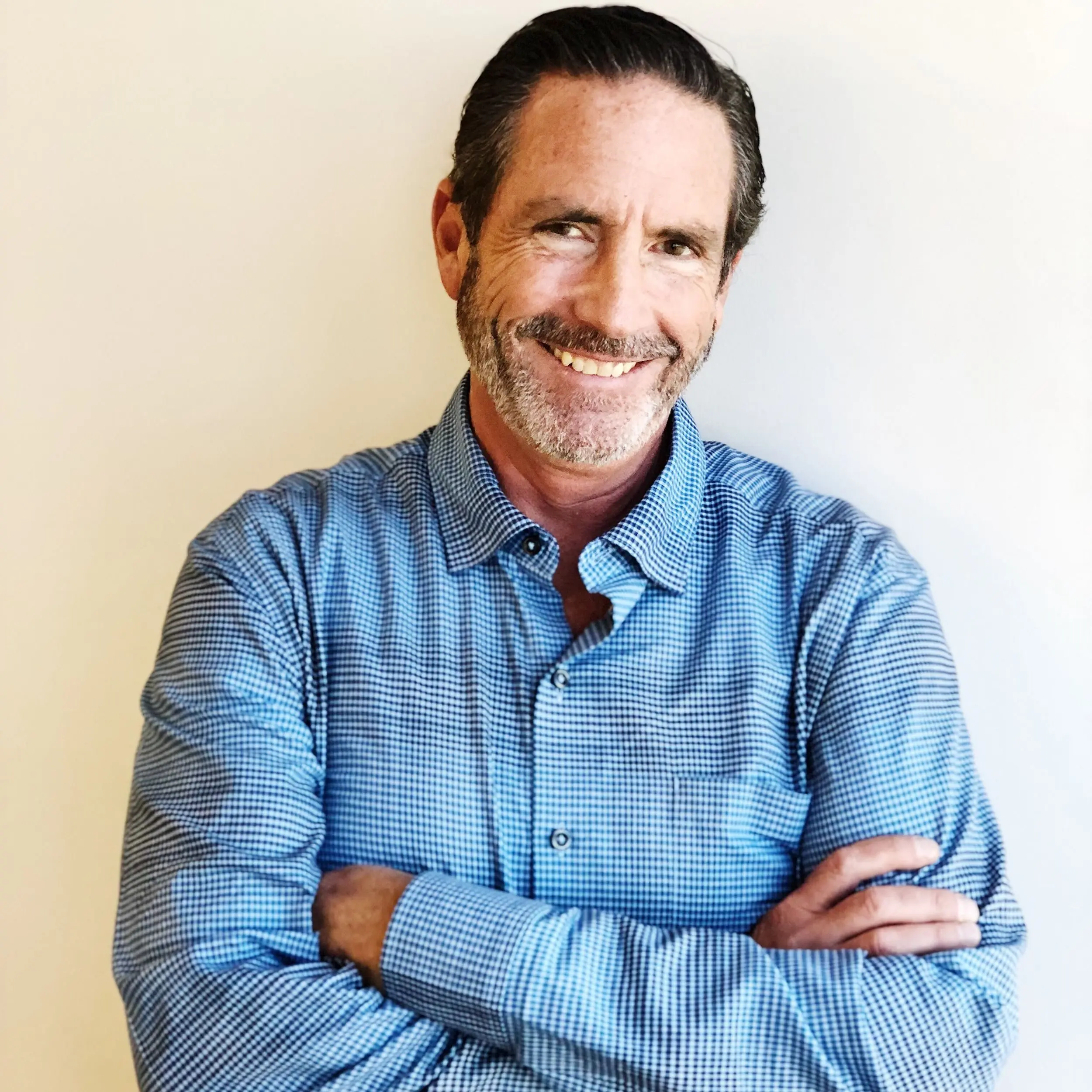

In this episode of Rush to Reason, host John Rush and Dr. Scott Faulkner delve into the intricacies of modern health solutions, starting with the benefits of televisits. Dr. Faulkner shares insights on how he manages patients across different states, offering quality healthcare via comprehensive consultations over the phone. The conversation transitions to the practical and financial benefits of lab work, which includes crucial biomarker testing that could be a game-changer for many listeners struggling to find answers in the traditional healthcare system. They emphasize the importance of understanding personal health data and how it can significantly impact longevity
SPEAKER 04 :
This is Rush to Reason.
SPEAKER 14 :
You are going to shut your damn yapper and listen for a change because I got you pegged, sweetheart. You want to take the easy way out because you’re scared. And you’re scared because if you try and fail, there’s only you to blame. Let me break this down for you. Life is scary. Get used to it. There are no magical fixes. With your host, John Rush.
SPEAKER 11 :
My advice to you is to do what your parents did! Get a job, Turk! You haven’t made everybody equal. You’ve made them the same, and there’s a big difference!
SPEAKER 16 :
Let me tell you why you’re here. You’re here because you know something. What you know, you can’t explain. But you feel it. You’ve felt it your entire life. That there’s something wrong with the world. You don’t know what it is, but it’s there. It is this feeling that has brought you to me.
SPEAKER 07 :
Are you crazy? Am I? Or am I so sane that you just blew your mind?
SPEAKER 04 :
It’s Rush to Reason with your host, John Rush, presented by Cub Creek Heating and Air Conditioning.
SPEAKER 07 :
Welcome back, listeners, to Hour 3, Health and Wellness Wednesday. Your guest, Dr. Scott Faulkner, with, or host, I guess, not the host, with Jeremy Sovan, Regina, Nate Britt, sitting to my left. So we’re having a great time. Hopefully you guys are enjoying the show. Again, if you have a question for us, 303-477-5600. If you want to reach me at the clinic there in Castle Rock, it is 303-663-6990. And I do televisits. So like our guest, Mike in New Jersey, you know, you could call up and we could do a televisit. I can talk to you and do a lot of this stuff over the phone. And I’ve got people all the way from Wyoming, Florida, New York, California that listen to this program. And they’re like, I can’t find a decent doc. I like you. Can you help me? And the answer is, yeah, I can.
SPEAKER 13 :
Yeah, just send them to a local place, get their lab work done, get on the phone and talk about it. Nowadays, you don’t need to see the patient unless there’s something severely wrong.
SPEAKER 07 :
Yeah, and most of the time, because we primarily use Quest, I beat them up for the price on a lot of these biomarkers at $110. It’s cheaper than what you would spend. And by the way, you need a diagnosis code if you were trying to run this through insurance. And I can promise you, one, your doctor won’t order 110 biomarkers. And two, insurance will not pay for it. So now you’re left with about a $4,000 bill where it’s only $710 for the whole thing. And we’ll know what’s wrong. Definitely. We’ll find it.
SPEAKER 13 :
I think it’s important to say, too, that oftentimes we’ll jump in to this radio show once a month and assume that everybody has listened to all of our past performances over the last year or so. So I encourage people to go to the KLZ website or to Apple Podcasts. And if there’s a particular topic that jumps out at you, go back and listen because there’s so much ground for us to cover and things are happening so quickly that oftentimes we just assume that you’ve been able to absorb that info and you’re like, what are they talking about? So we’ve laid that groundwork over many, many months. So if you’re interested in learning more, check that out and then reach out to the doc and schedule a visit.
SPEAKER 07 :
Yeah, thank you for that. So we were talking about mitochondria. We’ve been on this topic for a little over an hour now, but it’s that important, folks. You have to understand this. So we were talking about, Regina was, about red light and how great it is for you. And then, Jeremy, you wanted to talk about the cryotherapy.
SPEAKER 13 :
Yeah, a couple of things. So the cryotherapy was more in the vagus nerve call-in, you know, from the last caller. You mentioned that you’re bringing in this Swiftwave chair, which is really good for emotional health, meditation, you know, vibrations, and helping down-regulate the parasympathetic, making you calmer.
SPEAKER 07 :
Uprightly.
SPEAKER 13 :
I’m sorry, upright the parasympathetic, down-regulate the sympathetic to make you calmer. And I made a wise crack that you really have two things because you have a brand new electric cryotherapy chamber that’s coming in to replace your old one. And one of the biggest selling points when I tried it out in Vegas at the manufacturer is that it does help with the vagus nerve stimulation because you’re getting that vagus nerve cold. Where the old one, your head was up above so you didn’t get nitrogen poisoning or you can’t get into cold water down. Obviously, you can’t hold your breath for six minutes in cold water. So really, there’s two ways to help with that vagus nerve stimulation that are coming in. But I really wanted to talk about the hypobaric oxygen therapy or HBOT. And I’m on 87, I think, dives in the last five or six months. And I figured out the sweet spot when to take a break so I don’t reach any oxygen toxicity. But what it’s doing, and Brian Johnson has also publicly said this recently, and I concur, is if you had to choose one particular modality to try to cover as many bases as possible, and in the longevity space, that’s nearly impossible. Because we talk about having to hit all kinds of different things in concert to make the ball move downfield. HBOT is one of those top things that can accomplish a whole lot of things from cognitive decline to bone fractures to fixing concussions. And the newest one I’ve learned about is the collagen production in the skin. I’m getting this kind of a tan look to my skin that I assumed was a consolidation of different good things that I’m doing to get healthy. But the literature now shows that it really is the oxygen in that negative pressure environment that is helping with the collagen production and the vibrancy of my skin and my skin health. So it’s like every month goes by, there’s something else that HBOT is doing good for me. It’s helping with my heart rate variability, my resting heart rate, my cognitive ability. It’s powering my mitochondria. It’s helping eliminate inflammation. Now, the downside is, you know, you’ve got to spend, you know, 60 to 90 minutes in it, you know, three, four days a week. The thing weighs two tons. You know, it’s hard to access. It’s busy. You know, it’s not free. But the pound for pound return on investment for my longevity journey, I can’t say enough about hyperbaric oxygen.
SPEAKER 08 :
Yeah.
SPEAKER 13 :
And not the type that is dangerous where it’s 100% internal or it creates a bomb. Anybody that is mentioning that is talking about old technology. What we’re going into is mask on, mask off, hyperoxic, hypoxic paradox. gassing off, you know, so you could bring, you know, electronics and batteries into it and not cause a fire. We don’t let you, but you could. Right. But, you know, realistically speaking, and I spoke to the manufacturers on this, so it’s very safe. It is very powerful, and it’s very impactful for several different categories, what we’re talking about. So I just had to get that out there because I’m so excited about how well it’s working for me.
SPEAKER 09 :
It’s great for mental health, too. I’ve known people in Florida who have had severe depression before And suicidal ideation using HBOT and lessening the symptoms of suicidal ideation.
SPEAKER 07 :
I’m not surprised for what it does for the brain. Oh, yeah. And with PTSD, I gave the example of my friend who goes to church with me. And he was in the Air Force, was a fighter pilot, and had PTSD symptoms. I won’t go into this whole story, and he was on the air probably nine months ago. John was kind enough to bring him into the studio with myself because his story was absolutely incredible. So I would watch this gentleman come into church on Sunday mornings, and he would have dark sunglasses on even during the service. He had a service dog, and he was a shell of a man. Now, this is a guy who is probably 6’3″, 230 pounds, just solid. great guy but to watch him be that zombie that just no emotions just it wrecked his life it was his thank god he has a beautiful wife she stood by him but they were looking at selling everything getting out of the air force and moving to virginia because they had better benefits for veterans he thought his life was basically over and so one day i watched him across the sanctuary And just something stirred inside of me and God said, go talk to him. So I went over there and I said his name and said, you know, Judy and I, we just got a brand new hyperbaric chamber in the office. And he’s like, it’s not one of those coffins, is it? And I’m like, no, it’s not a soft-sided little, well, coffin. This is a big two-person chamber that goes to two atmospheres absolute. So for those who are lay people, you thought, oh, I thought hyperbaric was hyperbaric. No, there’s a huge difference. So those soft-sided ones that are popping up everywhere only go to about 1.3, 1.4 atmospheres absolute. That’s the amount of pressure that’s exerted on the body. You really need one that goes to two atmospheres. That’s right. And if you have a little bit of claustrophobia or a little anxiety, you get in that sucker and you’re going to freak out.
SPEAKER 08 :
Oh, yeah.
SPEAKER 07 :
And that’s exactly what happened to him. He said, because the Air Force tried that with me, I lasted five seconds. And I’m like, I can’t do this.
SPEAKER 09 :
Especially with someone with PTSD, your anxiety, your cortisol levels, everything’s so high, so you’re heightened.
SPEAKER 07 :
Correct. And so he came down and I showed him, look, it’s a clear glass door, big, open, and And you have control of the knobs. Inside, you can turn it off. You can decompress the chamber. So it gives that person that sense of, I’m in control here. And so after he did probably 40 dives, and a session is called a dive because this came out of the scuba diving world. So it changed his life. He now does not wear his sunglasses and doesn’t have migraines every single day. His service dog is now just a pet. I love it. He’s now back gainfully employed. He’s doing mission trips down to Mexico. Just doing hyperbaric alone for 40 dives turned that man’s life around.
SPEAKER 13 :
I love to hear that story, and ironically, I’m not that surprised based on everything that I’ve learned. I kind of stumbled into it to fix my kid’s concussion, but what it’s done for me is unbelievable. Just to think to go 33 feet below sea level and add oxygen for 20 minutes on, 5 minutes off. The body just loves it in every way, shape, or form.
SPEAKER 07 :
Right. So if you can pinch your nose and equilibrate your ears, like if you’re going up and down in an airplane, then pretty much everybody can go into my chamber. That’s why I got the best of the best. It’s like the red light. I don’t cut corners. I’m not a med spa. I am a doctor who cares about you, and I invest in the best for folks because second best isn’t good enough for me. That’s right.
SPEAKER 13 :
And if there was a better one out there, I would put it in front of you. And we have done this and you’ve made changes. Like you’re going out with the old cryo and in with the best of the best.
SPEAKER 07 :
The best of the best. That’s right. So hopefully that helps the listeners. We have to take another break and then we’ll come back. And then we’re actually going to talk about the inflammation. So many people have inflammation. What is it? What can we do about it? Do we measure it? The whole nine yards. So we’ll have that discussion when we come back. You’re listening to Dr. Scott Faulkner on Hour 3, 560 KLZ, Health and Wellness Wednesdays. We’ll be right back.
SPEAKER 10 :
Here’s why you need personal injury attorney Kevin Flesch on your side. He understands the way the jury thinks. In the context of a personal injury case, you’ve been hurt by someone else’s negligence. The idea is that you’re going to try to recover so that you can get back to where you were just prior to that incident occurring. What that really means from a jurist’s perspective is that you’re going to be asking them to award you money. So when we talk about fairness, we’re talking about six people that you don’t know. Those six people view the evidence and make a unanimous decision that will decide what the fair value is. When you’re the one who’s hurt, you have a good idea of what you think it’s worth. The question is, can you persuade those other individuals whom you don’t know and were witnesses to believe that’s what the case is worth? Kevin Flesch understands the way the jury thinks. Call now for a free consultation. 303-806-8886
SPEAKER 03 :
Plumberoos is your local trustworthy plumber like you used to have when they were your plumber. When you invite someone into your home, trust matters. And that’s why Mike Jansen built Plumberoos differently. Mike is a master plumber raised in Colorado, and every job he does reflects his values. Honesty, respect, and real solutions. The team of plumbers and technicians are paid hourly, not on commission. so you’ll never be talked into work you don’t need. No matter the need, Plumberoo’s gives you clear options and lets you decide what the next step is without a sales pitch or add-ons. Unlike those big national companies, Mike and Plumberoo’s appreciate the value of providing service to their local community where they live and work, which in turn keeps your money here in Colorado. When you need a licensee, and insured local company who can be your plumber. Call Plumberoos by finding them on the klzradio.com advertisers page.
SPEAKER 02 :
What if you could get over 110 lab biomarkers tested, just like Dr. Mark Hyman advertises, but for a fraction of the cost, and with a doctor who actually explains the results? At Castle Rock Regenerative Health, Dr. Scott Faulkner has recreated this powerful biomarker test panel at a substantial savings. We have a special price for both men and women. Just $689. That’s a savings of over $2,500 over the standard price. And here’s the difference. With Hyman, you get numbers on a page. With Castle Rock Regenerative Health, you get Dr. Faulkner and his team walking you through every result, showing what’s off and creating a personalized plan to fix it. What’s even better, you don’t even have to be a concierge patient to get this pricing. This is open to everyone. Think about it. Most people’s deductible is higher than this special price. And your regular doctor, if he could get approved by your insurance, would never order this many tests, let alone know what to do with them. Call 303-663-6990 today or visit CastleRockRegenerativeHealth.com. That’s 303-669-6990. Take control of your health at Castle Rock Regenerative Health.
SPEAKER 06 :
This is Rush to Reason on KLZ 560.
SPEAKER 07 :
It’s Dr. Scott on Health and Wellness Wednesday in our final hour, about the last 40 minutes. So we want to keep moving along. We’ve done a lot on mitochondria. I encourage people, like Jeremy said, to go back and listen to that earlier segment if you really want to take a deep dive. And everybody really should because as we get older, our mitochondria just falls apart faster. So I encourage you to do that. But now we want to talk about inflammation. Inflammation or inflammaging is kind of the new buzzword, especially in the regenerative space.
SPEAKER 13 :
Ironically, we talked about hallmarks of aging. We’ve knocked off a few. But there’s two of the 12 hallmarks that are specific to this discussion. And the first one is inflammaging, which is really the disrupted signaling between the cells. which causes that type of inflammation but then there’s a second type that most people think we’re talking about which is that chronic inflammation which is constant low grade it’s there you’re not sure if it’s there or not but that kind of picks away at you over time and that second one is what got me into the crosshairs in the first place So I think it makes sense to talk about, like, how do you know if you have inflammation or not, other than maybe you don’t, you lost a pep in your step, you’re not feeling. Or you’re a little puffy. I get that a lot. I feel puffy.
SPEAKER 09 :
Indigestion.
SPEAKER 07 :
Okay.
SPEAKER 09 :
Yeah. Chronic indigestion. People popping Tums at least twice, two, three, and that’s very minimal, but people think it’s normal. I’m just going to take a Tums because that like, well, maybe your body’s not processing that correctly. And over time it’s causing inflammation, right?
SPEAKER 13 :
Right, or maybe it’s reflux disease or something.
SPEAKER 09 :
Inflammation.
SPEAKER 13 :
But there’s really two that I learned that you can test for, and I believe these are on your panel, of the biomarkers, is the HSCRP, or the highly sensitive C-reactive protein. So that number should be as close to zero as possible.
SPEAKER 07 :
Yes.
SPEAKER 13 :
But I’m sure you see all the time a 6 or an 8 or a 12. Unfortunately, yes. God forbid they have pneumonia or something that’s absolutely through the roof.
SPEAKER 07 :
Yeah. If it’s pneumonia, then we see it in the 40, 60 range. So it’s very obvious. Yes.
SPEAKER 13 :
And then the other one that really got my attention was, and I may pronounce it wrong, but it’s the Westgren Sedimentation Rate Test. And the short term is the SED rate test.
SPEAKER 07 :
ESR, right. Erythrocyte Sedimentation Rate Test.
SPEAKER 13 :
What they do is they drop something into your blood or drop your blood into something and see the speed at which the red blood cells sink to the bottom of the test tube. And then they give you a number. Mine was like 23. And it was on the high end of the normal range on the, I think it was LabCorp back then. And, you know, that was the one that started discussions with a cardiologist and a rheumatologist and finding out all the things that were wrong with me before we fixed them all. But those two tests alone, HSCRP, I think was seven or eight. And my SED rate test was 23. Well, now they’re undetectable on the HSCRP side, and the SED rate test three months ago was two. So targeting that inflammation in all the ways that we’re talking about, there’s a way to test it, there’s a way to manage it or measure it, and then there’s a way to fix it. But on top of mitochondria, number two is inflammation. Get rid of it. It will change your life.
SPEAKER 07 :
Yeah. And back to our original premise, we have to measure it before we can manage it. Because every day now I’m seeing people with a highly sensitive C-reactive protein of three and a half, four, six, not huge numbers, but clearly abnormal if you know that this is not right. Anything over one should be a concern. Basically, that’s exactly right. And so the first thing that I look at, especially in a man, is, is this coming from your heart? Because hearts kill people. That’s right. So that’s where that CT angiogram with clearly the AI overread really helps me. Because at the same time, I’ve got your cholesterol panel. and your apoprotein B, right? Remember, folks, that apoprotein B is a better predictor of heart disease than your LDL cholesterol. That’s exactly right. So I focus in on the heart first because after 30 years of ICU critical care medicine, hearts kill people. And so I have to exclude that as the reason. But if that’s not, then I look, you know, at the same time, we’re looking at the rest of your panel. And I can’t tell you how many people with autoimmune disorders I’ve been picking up. It’s insane.
SPEAKER 13 :
Yeah, like we talked, I think, a whole hour last month about how important the immune system is, both innate and adaptive, and getting them working in harmony. Because we have so much autoimmune dysfunction and disease that goes undetected, myself included. And once you get ahead of it early, you can solve for it. You can get to the point where it doesn’t turn into something that’s incurable. Like I was on the precipice of rheumatoid arthritis for life, like grandparents and mom. I got ahead of it, and now it is nonexistent just in one year.
SPEAKER 07 :
Yeah. So last week I had a gentleman come to me. He heard me on the radio, got the ultra panel, checked it out, and his ANA, anti-nuclear antibody panel, was strongly positive at 1 to 1,280. That means the lab diluted his blood 1,280 times, and they were still able to detect this antibody. Wow. So I looked at him like, oh my gosh, and based on the pattern, the guy’s got lupus.
SPEAKER 13 :
There you go.
SPEAKER 07 :
And I looked at his kidney function, and before that, I’m like, dude, your kidney function is bad. Your creatinine clearance is 56, where it should have been 80 or 90 in somebody his age. He’s like, oh, my old doctor told me, yeah, your kidneys are not great, but we’ll just keep an eye on it. Oh, my goodness. That was his answer.
SPEAKER 08 :
Oh, my goodness.
SPEAKER 07 :
And I’m looking at him and saying, dude, I think you have lupus nephritis. I think you have lupus that’s attacking your kidneys. That’s why you don’t feel well and have maybe some achy joints. We had better figure this out now because if we don’t, you’re going to be on dialysis here in the next 10 years. Right. Maybe seven years. And he’s like, nobody ever told me this. I said, because nobody ever looks. Because remember what we said in the first hour. A lot of these symptoms overlap. Oh, I have stiff joints. Oh, I’m a little puffy. Oh, I just don’t feel well.
SPEAKER 08 :
Right? Lethargic.
SPEAKER 07 :
Lethargic. All these symptoms overlap. could have been a thousand different diseases. I remember the very first patient that I saw with lupus. I was a third-year medical student doing my psychiatric rotation at Camarillo, the state mental hospital in California, back when they had state mental hospitals. First patient, she had lupus in her brain. She was gonzoed. So lupus can hit any organ in the body. Your brain, your heart, your lungs, your kidney, your GI tract can make women infertile. But how many people have these just smoldering like, oh, I just don’t feel well or I have a little puffiness.
SPEAKER 09 :
The startings of something. Correct.
SPEAKER 13 :
It’s a lot. I would say it’s north of 75% since we’ve started having these discussions.
SPEAKER 07 :
Correct.
SPEAKER 13 :
And like for lupus, it’s pretty serious.
SPEAKER 07 :
It can be life-threatening.
SPEAKER 13 :
That’s on the far side. It can kill you. And we talked last month about therapeutic plasma exchange or plasmapheresis. that’s the kind of level of stuff where those indications are important to look at, right? Because there’s not a whole lot you can do for these severe autoimmune diseases that have kind of already taken over. But you sure as hell can slow down the symptoms and improve the quality of life if you do something like swap out the plasma.
SPEAKER 09 :
Pause the symptoms. Pause the autoimmune. Pause it.
SPEAKER 07 :
And like a low-dose naltrexone for a lot of these autoimmune disorders, especially when they’re mild, it’s a game changer. But every either rheumatologist or hematology oncologist doctors, what do they want to jump to? Let’s put you on a biologic. Or let’s put you on steroids. Let’s give you methotrexate, that old chemotherapy agent that wrecks you. So there’s alternatives, folks, and you have to go to somebody who thinks outside of the box and looks at the whole picture.
SPEAKER 13 :
You can come back to HBOT, right? We just talked about it. HBOT works as an anti-inflammatory, reduces swelling and edema, increases oxygen to those cells. If I’m a lupus guy, I’m like, doc, I want HBOT and TPE. I need to get ahead of this thing. But otherwise, doctors aren’t even noticing that it exists. Correct. That’s crazy.
SPEAKER 07 :
And what about our patients who have cognitive decline? Right now, everybody is afraid of Alzheimer’s. The numbers are off the charts. We’ve already talked how the GLP-1s can help with that. But there’s a peptide that you can take called C-Max. I’ve heard of it. Okay. So C-Max is great to prevent cognitive decline. So let’s go back to our original discussion when we were talking about NAD+. There’s about 86 billion neurons, right? So the C-Max tells the brain immune cells to repair cells. So the microglia are responsible for the synaptic pruning and decreasing inflammation. So you get, in a diseased brain, inflammation, insulin resistance, energy depletion. So along comes your microglia, okay? And those… can either be, I call it the Jekyll and Hyde. So we abbreviate in medicine M1 and M2. So M2, think of it as the soft, fuzzy, cuddly, little fluffy microglia. And then you have the M1. So M2 microglia can turn into the nasty one, the M1. in a damaged environment, causing neuroinflammation.
SPEAKER 13 :
This is what could lead to…
SPEAKER 07 :
Alzheimer’s, Parkinson’s, Lou Gehrig’s, multiple sclerosis. We find all of this, especially M1, in every one of those brains.
SPEAKER 13 :
So by the time that amyloid beta plaque is built up, you’re getting ahead of it with the Cmax plus HBOT, so it never gets to the dangerous levels.
SPEAKER 07 :
You don’t get to a dangerous level. Let’s start with the good. So the M2, that’s good. So think of it as fuzzy and warm and cuddly. You want more M2 microglia. So this releases anti-inflammatory mediators. and is neuroprotective. But as it converts to M1, then that causes the release of inflammatory mediators, which induces inflammation and neurotoxicity. So there’s several things that I wrote this out on a list, so I remember them, that you can do to now take your M1, the nasty stuff, and convert it back to the soft, fuzzy, fluffy M2, which is kind. So some of the simple things, resveratrol. Where did we talk about resveratrol?
SPEAKER 08 :
Hmm.
SPEAKER 07 :
Back when we were talking about mitochondria. That’s right. And along with the NAD, the CoQ10. So resveratrol is one of the best things that you can do to help convert the M1 nasty microglia into M2. Curcumin. We know this because one of the girls that used to work for me, Advita, she’s now in medical school there at Rocky Ridge. She’s from India. She actually did two papers on curcumin in India because they have a lower incidence of Alzheimer’s. That’s right. And it’s the curcumin, right, or turmeric. Turmeric, yeah. Yep. It’s basically one of the same. Love it. That helps convert M1 to M2. Now your ACE receptor blockers, those are blood pressure pills that we put people on and they protect the kidneys as well, but Candasartan and Telmasartan, are two ACE receptor blockers that are good for converting M1 to M2. And back to your statin, right? So I was always a hard no on statins. I don’t like them unless you’re so clogged up we have to. But simvastatin, the old Zocor, actually not the other statins, but Zocor simvastatin actually converts M1 to M2.
SPEAKER 13 :
And upregulates the clotho protein, which is the longevity gene.
SPEAKER 07 :
Longevity gene, the mother of all longevity genes. And we had touched on that before. I don’t know if we’re going to have time today to go on a deeper dive with clotho. I say clotho, you say clotho, potato, potato. But yeah, the simvastatin. So now I’ve moved off my position of hell no to maybe in certain circumstances, let’s give this a try.
SPEAKER 13 :
Yeah, and we call it a hit and run, right? So everyone’s like, take your 20 milligram statin every day religiously for the rest of your life. Well, maybe there’s a way to use it. So you’re doing it two days a week for three weeks on, one week off. And you call it a hit and run. So you take the positive effects of it without getting the negative side effects and impacting the muscles or impacting the negative impact to the brain. Yeah. That’s right, folks. You’re hearing us say that certain statins under certain circumstances could have a net benefit, but not for the reasons that your doctors were putting on you in the first place.
SPEAKER 07 :
That’s exactly right. Yep. And by the way, make sure you’re taking your CoQ10. And remember what I said, the multivitamin that I tell people to be on has CoQ10 in it because statins will deplete your CoQ10. That’s where the muscle cramps, when people get that, that’s where that comes from. And then the last thing on the list, believe it or not, is nicotine.
SPEAKER 13 :
Yeah, that’s emerging big time. It’s helping with long COVID. It’s helping pull stuff out of the body, even parts of the spike protein, these nicotine patches. And what I’ve learned, and there’s a, I forget his name, there’s a doc that’s really taken a deep dive in his whole career is about you know, pushing nicotine is not as nasty as everyone thought. Well, the cigarette companies took nicotine and took an oral fixation and mixed it with a lot of other addictive chemicals, but just the nicotine by itself, which is in broccoli and all kinds of other things. In addition to tobacco, if it’s used appropriately, it has nothing to do with this nasty, you know, tobacco derived cigarette evolution that’s taken place over the last couple of hundred years. Um, So it’s all about context, but there’s a lot of data that shows that nicotine can be very beneficial if used in the right amounts, in the right ways, for the right reasons.
SPEAKER 07 :
And that’s why I have a seven milligram patch on my left shoulder right now. There you go. Yeah.
SPEAKER 13 :
And as a former smoker that used patches to quit 16 years ago. I would say take those off at night before you fall asleep, because I could write a book on the effects of nicotine during REM sleep. Because you normally don’t intake nicotine while you’re sleeping, but the night terrors and sometimes the really good dreams, but the vividness. At one point, I woke up and ripped a 21 milligram patch and threw it across the room while I was sleeping. So It’s interesting to try because it’s pretty cool, but I didn’t enjoy it long term. So I say when you’re awake, yes. When you’re asleep, take them off.
SPEAKER 07 :
Yeah, so now mine’s a 7, right? It goes 21, 14, 7 if you’re trying to quit smoking. So mine is the lowest dose, 7 milligrams, and I don’t experience that with the sleep.
SPEAKER 13 :
Oh, wow, interesting.
SPEAKER 07 :
So you want to do low dose, and you want to see does it affect you. So I leave mine on through the night, and then in the morning I just peel it off and take my shower, and then on the other shoulder I put a new one.
SPEAKER 13 :
Gotcha. If you want to save money, buy the 21s and cut them in thirds because they charge the same amount of money for 714 and 21. I love it.
SPEAKER 09 :
Experience nicotine. So I’ve heard.
SPEAKER 07 :
Okay. Never heard. This is amazing. You heard it here first. So we went a little bit long in this segment. We have to take a commercial break, but we’ll be right back. Dr. Scott Faulkner, 560 KLZ.
SPEAKER 01 :
cold weather is coming is your roof ready to face it before winter winds and heavy snow hit colorado give your roof some love with roof max roof max is an eco-friendly treatment that revives old shingles adds flexibility and extends roof life saving you thousands but if it’s not time for a full replacement don’t worry we’re a full service roofing company roofs sidings gutters we do it all keeping your home cozy and protected all winter long And yes, with the right conditions, we can service your roof through the winter. Call Roof Savers of Colorado today at 303-710-6916 or visit roofsavers.com for your free winter checkup. KLZ listeners receive $250 off their treatment. Roof Savers of Colorado. Revive it or replace it. We’ll make your home winter-ready.
SPEAKER 06 :
Looking for the right car at the right price? Ridgeline Auto Brokers makes it easy. They specialize in quality vehicles priced between $15,000 and $25,000, perfect for first-time drivers, families, or anyone who wants real value without the hassle. Every vehicle is thoroughly inspected by Legacy Automotive, a trusted drive radio sponsor. That means you can buy with confidence, knowing your next ride is ready for the road. No dealer fees, competitive financing, and trades are welcomed. A 30-day warranty on every vehicle and your first oil change is just $1. Explore detailed videos of every car at RidgelineAutobrokers.com before you visit. Ridgeline also has a great consignment program to assist you in the sale of your car, truck, or SUV. So if you’re ready to buy, trade, or sell your vehicle, call 303-442-4141 or visit RidgelineAutobrokers.com. Ridgeline Auto Brokers, the right car, the right price, right now.
SPEAKER 15 :
Make power outages a thing of the past for your home. One recent home battery customer of Allen Davis signed up before the last power outage. Cliff L. in Golden said, What an amazing timing it turned out to be that you helped us get our solar up and running before the five to six days of absolutely no power in our neighborhood. I am one of the few homes that did not miss a beat. We are very happy we pulled the trigger. It’s a $5,000 rebate check for all who sign up who have Xcel Energy. Call Alan Davis at 303-378-7537 and make power outages a thing of the past in your home. Or email him at davis at omnipower.solar.
SPEAKER 12 :
As independent brokers, GIA Insurance does not work for any insurance company. They can shop the market and find you the best premium for the coverage that you need. Call 303-423-0162, extension 100, or go online to e-gia.com.
SPEAKER 06 :
The best export we have is common sense.
SPEAKER 07 :
You’re listening to Rush to Reason. Welcome back, listeners. Mile high city of Denver, Colorado, and points beyond. We really appreciate you listening. This is Dr. Scott Faulkner filling in for John Rush on Health and Wellness Wednesdays. We’ve got about a half an hour left, or actually 20 minutes left. We’ve still got a lot of stuff to cover. We always do. Yeah, I know. I say this every time. Rush Limbaugh had a stack of stuff, and we barely scratched the surface. There’s always next month. There’s always next month. We’ll keep you listening. And we always try to be the tip of the spear giving you guys good advice, good sound medical advice. We’re not all this woo-woo stuff. There’s actually evidence for what we’re telling you to do. And so you can count on us to always be ethical that way. But I want to talk about stem cells because we’re talking about inflammation and the mother of all decreased inflammation. And one of the reasons why you get inflammation is stem cell exhaustion. That’s right.
SPEAKER 13 :
It’s one of the hallmarks of aging that we’ve been talking about. So stem cell exhaustion, again, falls over a cliff big time around age 40. And then it gets worse and worse at every decade all the way to your marginal decade. So getting good quality aging. advice and molecules and help from a doc to get your stem cells that you have healthier is one thing, but to supplement and use the umbilical cord stem cells intravenously and of course targeted for different things is the next level stuff that’s changing the game for athletes, biohackers like myself. It’s unbelievable what stem cells can do. I say stem cells, HBOT, and the therapeutic plasma exchange are the three things that have really moved the needle for me. Everything else is important and sleeps up there big time. But for modalities that you can do in a clinical setting, those three things are incredible. So stem cells, go for it.
SPEAKER 07 :
Yeah, without a doubt. So you’ve heard me talk as an expert in the world of stem cells. We just came back from Vegas where I trained 9000 doctors how to do this correctly because there’s a lot of fly by nights. There’s a lot of doctors getting into it. Nurse practitioners that don’t know the first thing, they just look at this and, oh, this is another thing that I can bring into the clinic. You really need somebody with the expertise and the knowledge. So we’ll run through quickly the various types. So there’s bone marrow aspirate where we take your own stem cells from your bone marrow and then separate the other cells from the stem cells. And oftentimes they’ll expand the cell line. So they’ll take your cells. And unfortunately, as we get older, like you said, the amount of stem cells falls off a cliff and they’re very poor quality.
SPEAKER 13 :
Yeah, they’re not as potent as they were when you were in your 20s.
SPEAKER 07 :
And so to help overcome that, they’ll put it in an incubator, right, in a Petri dish and grow, force those cells to replicate faster to get a bigger number. Yep. Well, the problem is, and we probably won’t get to this topic, but it’s cell senescence, right, zombie cells. That’s right. And so your cells have a programmed amount of times that they can replicate, right? It’s set in stone by God himself. And it also has to do with the telomere length. So the telomeres are the protective end caps to your DNA. Yep, chromosomes. And every time your cells divide, the telomeres get shorter. That’s right. So that’s one of the reasons why we tell people to use epithelon. That’s right. To increase the length of the telomeres. And HBOT again. And HBOT, that’s exactly right. I was going to get to that. So by having your cells replicate in a Petri dish, you don’t get the benefit of that replication in your body. And you’re taking a cell that is not young and robust and healthy. It’s as old as you are. It’s been exposed to microplastics and radiation and all the other stuff. So it’s good, but it’s not the best. That’s right. And especially if you’re younger, then it’s like, well, okay, if you want to do that. But really the best of the best is – And it’s really painful. Super painful. So the best of the best is the umbilical cord. Third is adipose-derived. That’s where they do a liposuction, and there’s a machine that will separate the fat cells from the stem cells. And then again – Because they’re poor quality and there’s few of them, they will expand the cell line to get more. Well, the FDA, up until about two years ago, had a hard and fast rule that you could not use expanded cell lines in the United States. They have subsequently relaxed that regulation. But they do tell the doctor, oh, by the way, you must tell your patient if you expand the cell line that there’s a chance I can give you a malignancy. So why in the world would somebody use a cell line that’s not as potent Doesn’t last as long, but oh yeah, by the way, I can give you a cancer. To date, there’s never been a case of malignant transformation ever from umbilical cord stem cells. So that’s why that’s all I use. And the lab that I get them from is fully FDA accredited. They’ve got all the certifications. You know that you’re getting live cells. So I had a conversation with a gal as I was driving here today. This poor young lady, she just is in a bad way. She had Lyme disease. And they hit her body with so many antibiotics. And one of those was Levaquin and Ciprofloxacin. So she got fluoroquinolone toxicity. She got COVID twice. She lived in a building that had black mold. Yeah, and there was one other thing that I can’t remember off the top of my head. So this poor girl is wrecked, and so she’s going to all these places that, oh, I can fix you, dropping $7,000, $10,000 at a time for really crazy treatments, and nobody’s been able to help her. But all the fluoroquinolone toxicity patients that I’ve treated with stem cells, and then the cherry on top is the HBOT, they’re all like, oh, my gosh, you’ve given me my life back.
SPEAKER 13 :
Definitely. I’m someone that can afford some of these things, but I still do a lot of due diligence before I try something that’s cutting edge, like biologics or stem cells, for instance. I really took a really deep, geeky dive into it. And it holds up. The results are there. The umbilical cord-derived stem cells are the answer as long as you’re getting them from a source that’s legitimate and vetted like yours. You’ve done your due diligence. Again, it goes back to the credibility piece that we opened with in this entire evening. But what those stem cells can do to rejuvenate and heal the body, we were talking about inflammation and all the things that is wrong with this particular patient. I wish everyone had access to them and hopefully over time it gets there. But what you’re finding is if you can heal the symptoms but you cannot affect the cause, it’s like trying to heal a gunshot wound with gauze. You definitely need to put this stuff in in the right circumstances and watch the results take place as quickly as they do. And I was a little concerned. It’s not cheap. And I spent the money and I got the results. And I’m like, okay, I’m a lifer. I want boosters every so often. I want to make sure that everything that I need to do has that stem cell exhaustion hallmark of aging at the bottom of the list of things that I need to be concerned about. So I can’t talk enough about stem cells. HBOT and plasma exchange are so exciting.
SPEAKER 07 :
Yep. And I’m going to tease this. The contract isn’t quite finished, but those of you with bad backs, chronic pain, I have a gentleman that I’m sniping from the Stedman Clinic up in Vail. And because with our new space that we’re expanding to in Castle Rock, we’re actually putting in a procedure room, a spine center with a C-arm. Because I was never trained to do spines. I can do shoulders, knees, hips, ankles, wrists, things like that. But I was never able to do spine for all my patients with chronic back pain.
SPEAKER 13 :
I can’t wait to have a Q&A because I’ve been dealing with this for the better part of 10 years. Surgeries, treatments, and I’ve fixed it with stem cells. So it’ll be interesting to have that. discussion as someone that has literally been there like in the trenches, both with the trauma and with the therapy. So anybody that wants to talk about back pain, like my door is wide open because that’s been my number one crippling issue of my lifetime.
SPEAKER 07 :
Yeah, and it’s killing me because I can’t help those patients. I have to refer out, and I’m not totally thrilled with everybody else, especially in the Denver market. I don’t think they do it well, personally.
SPEAKER 13 :
It’s not a very common skill set.
SPEAKER 07 :
No.
SPEAKER 13 :
Yeah, so even referring out, you’re taking a risk of setting somebody into a situation that may not benefit them in the way it would if you had your arms around it and you controlled it in the clinic like you’re doing.
SPEAKER 07 :
That’s right.
SPEAKER 13 :
Bravo. I’m so glad to hear that you’re getting into the lumbar and cervical and thoracic spine space.
SPEAKER 07 :
Yep. So those of you who are praying people, please pray that this bears fruit coming forward. So we went a little long. We’re going to have to take another break before our last segment before we’re out of here. Again, if you have a question, you’ve got about 12 minutes to ask at 303-477-5600. Dr. Scott Faulkner filling in for John Rush, 560 KLC.
SPEAKER 17 :
al smith of golden eagle financial works to balance your investments for both growth and safety financial markets are changing every day and al can help protect your investments based on your personal risk tolerance in your first meeting with al he’ll assess how conservative or aggressive a strategy you’re comfortable with This information will help Al design a unique plan using resources that will build and protect your retirement and remain within your comfort level. Al is highly skilled at creating conservative strategies that help minimize losses. If the market turns, your retirement stays on track. Al learns what matters to you and then builds a custom solution that makes sense for you, including covering the what-ifs of life. Be confident and prepared for retirement. Contact Al Smith of Golden Eagle Financial today and get started on your personal path to retirement by finding him on the klzradio.com advertisers page. Investment advisory services offered through Brookstone Capital Investment, LLC, a registered investment advisor. BCM and Golden Eagle Financial Limited are independent of each other. Insurance products and services are not offered through BCM, but are offered and sold through individually licensed and appointed agents.
SPEAKER 06 :
Cub Creek Heating and AC can help you cover the cost of replacing your furnace to meet the new low nitrogen oxide regulations. With any new regulations comes incentives, rebates, and programs that can save you real money if you understand them. These rebates change this year and Cub Creek Heating and AC stay current on every update so you don’t have to. Hunter and his team know how to stack state programs, rebates, and incentives in the most beneficial way for you, sometimes covering a significant portion of the furnace cost so you’re not left in the cold and broke this winter. If your furnace is more than 10 years old, call our Rheem-certified pro partners, Cub Creek Heating and AC, now. They’ll shoot straight with you and partner with you to find the right solution for your home and your budget. Mention this ad on KLZ and you’ll get a free one-year maintenance agreement, a $350 value when you purchase a new furnace. Find Cub Creek Heating and AC at klzradio.com slash HVAC.
SPEAKER 05 :
Our trusted partner, Veteran Windows and Doors, can install your new windows and doors even in the winter. No one wants to wait until summer to replace their failed windows. You’re feeling the cold now, and your energy bill is too high because you’re paying for heat that is escaping through insufficient, failing windows. With Veteran’s cold weather installation process, when they install windows and doors in the winter, We’ll see you next time. Get energy-efficient windows now with veteran windows and doors. Find them at klzradio.com today.
SPEAKER 06 :
This isn’t rage radio. This is real, relatable radio.
SPEAKER 07 :
Back to Rush to Reason. Welcome back, listeners. Dr. Scott Falkner on the last segment of this Health and Wellness Wednesday. So we had a caller during the break call in and ask, is there anything that will help with it? Sounds like a patient had a stroke or a blockage on the left side of the brain. And assuming that the hospital, the interventional radiologist, has fixed the blockage, if it’s a carotid, that needs to be fixed. If it’s a vertebral artery, that has to be fixed. So what happens if somebody has a TIA or a stroke? Then that’s lack of blood flow to the brain. If it happens to your heart, it’s a heart attack.
SPEAKER 08 :
Right.
SPEAKER 07 :
If it happens to lower lungs, it’s a pulmonary embolism. So in the brain, we know for a fact that hyperbaric oxygen therapy will hyperoxygenate tissue because what happens is there’s a certain part in the center that’s dead. But there’s an area around it called the penumbra. So the best analogy I can give people is imagine you went fishing and you caught this really nice fish. And he’s a big fish. And so you keep him out of the water, you’re getting your picture taken. And you’re like, well, I don’t want to kill this fish. So you put him back in the water. But he’s been without oxygen for a while. And that little fish is doing this very slowly with his tail. Well, if you get him back into oxygen quickly enough, then he takes off. But if you waited too long, that fish goes belly up. So around every zone of stroke and heart attack, there’s this penumbra. So what the hyperbaric does is it hyperoxygenates and drives oxygen to that tissue. So we’re no longer relying on the blood supply of the arteries to get oxygen to the tissue. The pressure in the chamber, it’s like a pressure cooker, drives that oxygen and makes that little fish, or in this case the brain, actually come back to life. So we have seen this numerous times. There’s tons of literature. So the best thing in a case like this is really hyperbaric oxygen therapy sooner rather than later.
SPEAKER 13 :
Yeah, so two atmospheres. They call it atmosphere absolute. 2.0 atmospheres for 120 minutes, so two hours longer than I go. Protocol for the stroke includes about 50 to 60 daily sessions five days a week, yielding results in 8 to 12 weeks.
SPEAKER 07 :
Yep. So you have to do several dives. And that brings me to a good point. We’re actually running a special for Valentine’s Day, right, for February, is if one person goes into the chamber – then we’re allowing a friend, loved one into the chamber for free. So two people actually get to benefit from the dive, whether you have anything wrong with you or not, versus what our normal price is, regular for the first person and then 50% off. You’re getting that second person for free for the entire month of February. So give us a call at 303-663-6990. And the kids at the front desk, I call them kids, will be able to take care of you. So we’ve only got a few minutes left and we started the whole three hours talking about accountability and we talked about Peter Attia and all this Epstein files and stuff like that. So Regina, give us your take on basically that topic.
SPEAKER 09 :
accountability accountability well let’s start with the people you live with you know um i think it’s important that everyone’s involved in keeping each other healthy by reminding them hey have you checked this hey have you done that hey you said you were going to start this but you haven’t it’s reminding your loved ones to take care of their mind body and soul reminding them to have gratitude reminding them to be thankful Reminding them to, hey, you sure you want to eat that pizza again? Remember how you felt the other day?
SPEAKER 13 :
There’s a delicate balance of coming across as nagging.
SPEAKER 09 :
Yes.
SPEAKER 13 :
But you’ve got to figure out how to give the message in a way that is nonjudgmental but helps get them to see that maybe they should do something or not do something, depending on the scenario, for that accountability reasons. But you’ve got to walk that delicate balance down. That you don’t drive things the other direction and make them do it. Yeah. It takes a village. Like in a family, if it, you know, you kind of have these interventional discussions around, you know, health and longevity and like we talked about baby steps, but you know, getting in a situation where you’re, you’re very compassionate, very empathetic about making some sort of a tweak is something that I’m working on too, to get my kids on this longterm journey where they live the life that I’ve discovered just recently and But the accountability from the family and the friends, I think, is extremely important because it’s so lonely out there with the technology and the phones and all the disconnection. So to kind of sit down and make it a priority to talk about Who needs to do what to help everybody else out and make it a team?
SPEAKER 09 :
Right. And I think in what you’re focusing in on too is the ability to compassionately call each other out. There’s a difference. Calling someone out with attitude, with that anxiety that we carry because of love. With love comes anxiety because you worry about the people you care about. but it’s having yourself just calm down a bit so it comes out compassionately because you care for this person so much. You want them to feel good and live long and be there with you on your journey too with health. So it’s a bit of selfishness, but it’s a healthy selfishness.
SPEAKER 13 :
And once you hit that first milestone, then you kind of look at each other and you’re like, Hmm, this works.
SPEAKER 09 :
Maybe there’s something to this.
SPEAKER 13 :
And then we can talk about that snowball that goes downhill and keeps collecting as it goes. But it sounds like the beginning of this journey, which I take for granted now is kind of the hardest part, right? To get started with these lifestyle changes and getting your biomarkers done and talking to the doc about what types of things you should put in place first and how do we figure out this complex matrix. But, you know, that’s, I think, why we kicked off with credibility and accountability because it all starts and ends with that.
SPEAKER 09 :
Yeah, I agree. And I think very important, like, if you’re in a relationship and even having children, seeing where they’re at first because that’s important because you might be at, let’s say, one, I love numbers because they’re easier to understand, but let’s say you’re at level seven of understanding health. But they’re at one or two. You can’t just put them to seven. You got to start where they’re at and compassionately bring them up with those baby steps to say, listen, try this. Just want you to feel this for four weeks.
SPEAKER 13 :
Right. Yeah. Take the sugary cereals out of the house. Get rid of the white bread.
SPEAKER 09 :
Yes.
SPEAKER 13 :
Yes. They’re too young to know any better. But start those habits young. And then before you know it, the kids are like, hey, grandma and grandpa, what are you doing?
SPEAKER 09 :
That’s right.
SPEAKER 13 :
You should be. You shouldn’t be eating that. They’re educating their peers. Mm-hmm.
SPEAKER 07 :
Yeah, and give them exercise more. You have your son in hockey. Get that physical exercise and get away from screen time.
SPEAKER 09 :
Reading food labels, just like food coloring. I started that with my son. Don’t eat anything with anything. You see color in the food, you’re not eating.
SPEAKER 13 :
If you were to get eight hours of sleep, exercise four days a week, and don’t eat processed foods, you’re probably going to save some money and feel a lot better. Yeah. And then you can talk about all the really cool stuff that we completely geek out on and what I spend money on every week. And I’m very thankful that I have the opportunity to have these discussions with you guys. So thank you again for having me. You’re welcome.
SPEAKER 07 :
So thanks for listening. It’s Dr. Scott Faulkner signing off. 560 KLZ. We’ll see you next month.