



BIAS ALERT 🚨
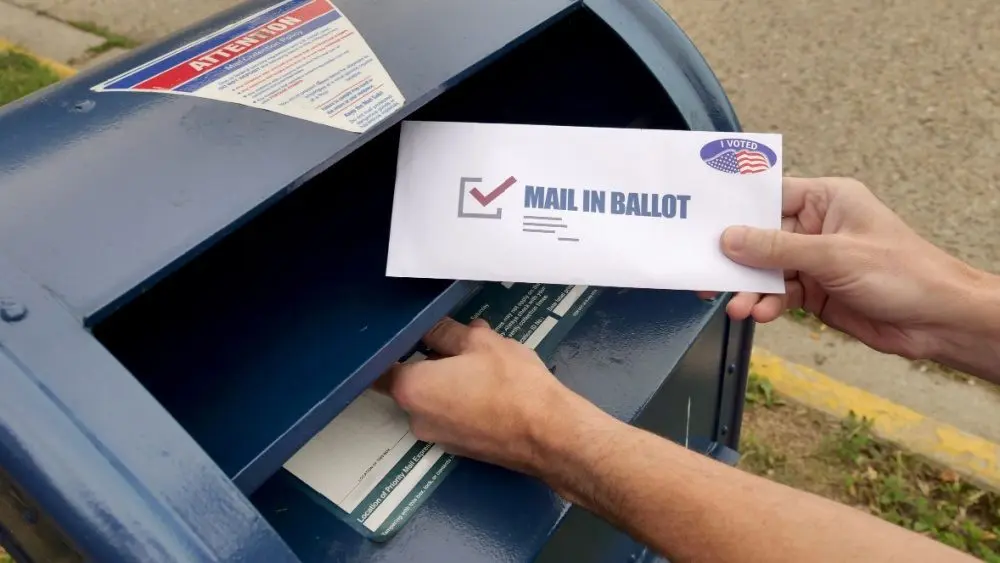
The Supreme Court is reviewing a high-stakes case that could reshape how mail-in ballots are handled nationwide, with a decision expected by early summer—just in time to affect the 2026 midterm elections.
At the center of the dispute is a Mississippi law allowing ballots to be counted if they are postmarked by Election Day but arrive up to five days later. Similar policies exist in more than a dozen states and Washington, D.C., while many others have extended deadlines for military and overseas voters.
BREAKING: Supreme Court hears arguments in major mail-in ballot case.
Justice Alito signals skepticism of laws allowing ballots received after Election Day, stressing that “Election Day” is a single defined day.
Ruling could impact 14+ states and reshape election procedures for… pic.twitter.com/OUXZGMmK5V
— Greg Madden (@GregMaddenUSMC) March 23, 2026
https://platform.twitter.com/widgets.js
The case stems from a lower court ruling—issued by judges appointed during Trump’s presidency—that struck down Mississippi’s law, finding it conflicted with federal election statutes. If the Supreme Court agrees, it could force multiple states to quickly revise long-standing voting procedures, raising concerns among election officials about confusion and potential voter disenfranchisement so close to a national election.
During oral arguments, several conservative justices expressed doubts about these grace periods. Justice Samuel Alito raised concerns about situations where late-arriving ballots dramatically shift election outcomes, suggesting it could create an “appearance” of fraud. Justice Brett Kavanaugh echoed that sentiment, warning that delayed results might undermine public trust if early leads are overturned days later.
The challenge, backed by the Republican National Committee and supported by allies of Donald Trump, argues that federal law establishes a single Election Day—meaning ballots must be both cast and received by that date. Trump has long criticized mail voting, claiming it invites fraud despite a lack of evidence supporting widespread abuse.
Opposing attorneys, including Mississippi’s solicitor general, countered that no proven cases link fraud to ballots arriving after Election Day. They argue states have long had the authority to manage election logistics, including accommodating mail delays—especially in rural or hard-to-reach areas.
Liberal justices appeared more supportive of that view. Sonia Sotomayor emphasized that decisions about election procedures should be left to lawmakers rather than courts, while Ketanji Brown Jackson noted that Congress could clarify the issue if needed. Elena Kagan also questioned whether restricting late ballots could jeopardize other widely used practices like early voting.
Beyond domestic voters, the outcome could also affect military personnel and Americans living abroad, whose ballots are often counted after Election Day due to logistical delays. With the court appearing divided, the final ruling could hinge on a narrow majority—and carry significant consequences for how votes are cast and counted across the country.
(KLZ Editor’s comment: This news story has a clear bias, and it’s important to note that there would be no effect on military ballots, government workers who are away on official business, or other positions which preclude one from being at a polling place. This has always been the case, and will not change. The issue at the SCOTUS is not military members and other positions, it’s every single american, which would obviously invite fraud, using simple common sense)
Editorial credit: Orlowski Designs LLC / Shutterstock.com