



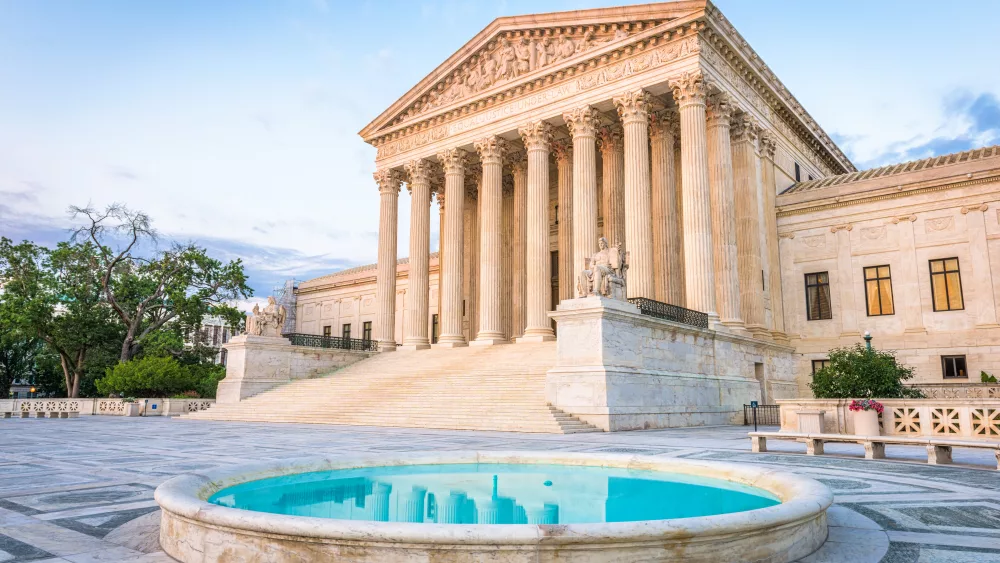
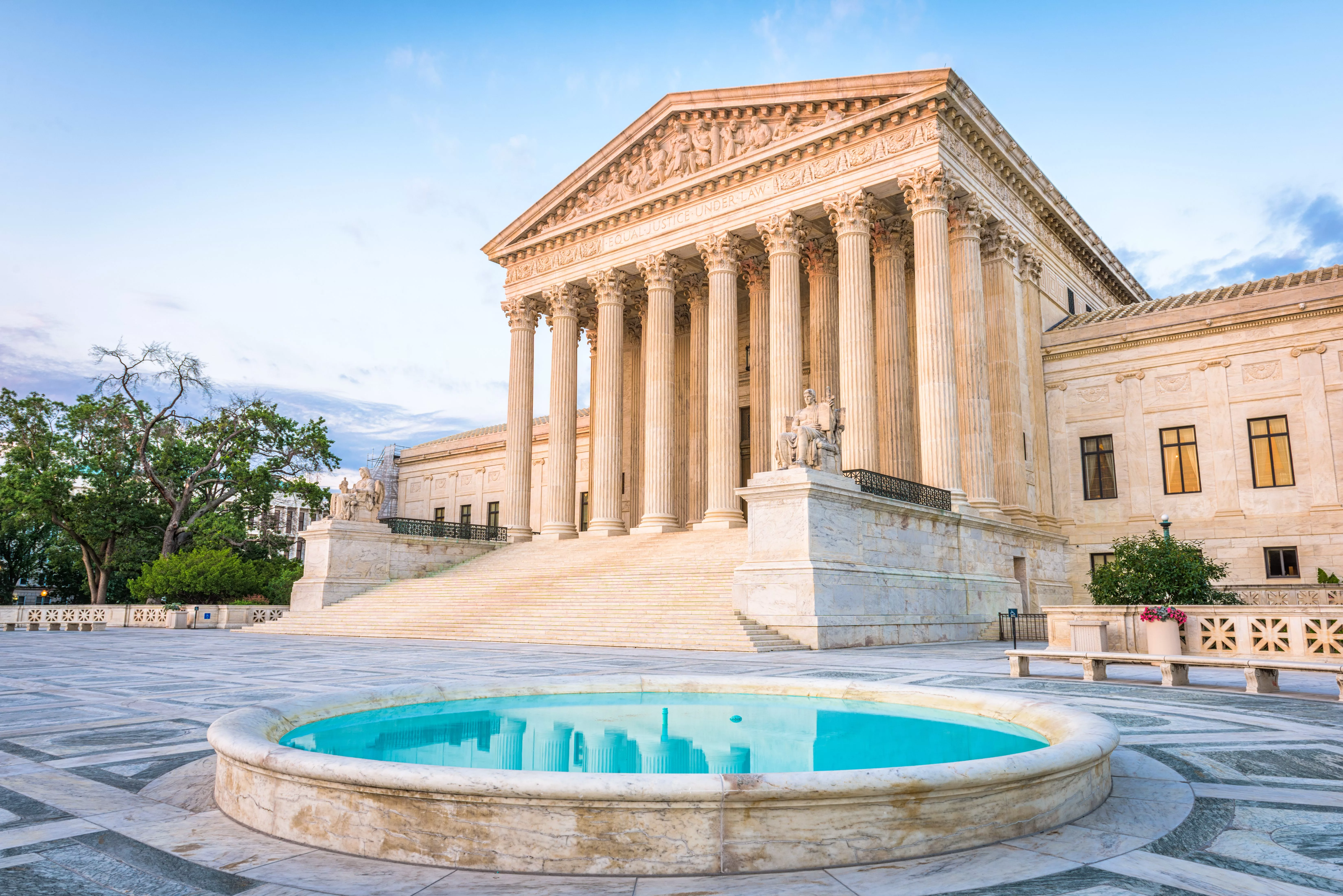
SCOTUS Building, Washington DC / Envato
by Emmitt Barry, Worthy News Washington D.C. Bureau Chief
(Worthy News) – In a landmark victory for free speech and religious liberty, the U.S. Supreme Court ruled Tuesday that the state of Colorado cannot ban counselors from engaging in voluntary conversations with minors seeking guidance on issues of sexuality and gender identity.
In an 8–1 decision, the court affirmed that the First Amendment protects not only actions but also words—especially when those words reflect sincerely held convictions. Justice Neil Gorsuch, writing for the majority, warned that the government has no authority to dictate which viewpoints may be spoken in private counseling sessions.
🚨 BREAKING: The US Supreme Court just ruled that Colorado Democrats’ ban on talk therapy for kids identifying as transgender is UNCONSTITUTIONAL
The 8-1 ruling is a HUGE win for America’s kids 🙏🏻
Of course, DEI Justice Jackson dissented. pic.twitter.com/wXK0DekGXt
— Nick Sortor (@nicksortor) March 31, 2026
https://platform.twitter.com/widgets.js
“The First Amendment stands as a shield against any effort to enforce orthodoxy in thought or speech,” Gorsuch wrote, emphasizing that freedom of conscience must remain protected—even when it runs counter to prevailing cultural trends.
A Victory for Faith-Based Counsel and Parental Choice
At the heart of the case was Kaley Chiles, a Christian counselor who sought to provide biblically grounded guidance to families and young people wrestling with gender dysphoria and same-sex attraction. Under Colorado law, she faced the loss of her license simply for engaging in conversations aligned with her faith—conversations her clients willingly requested.
That law, the court found, did not merely regulate conduct but silenced one side of a deeply important moral and spiritual discussion.
Chiles welcomed the decision, calling it a victory for “kids and families everywhere,” especially those seeking counsel that aligns with their beliefs and values.
The legal organization Alliance Defending Freedom, which represented Chiles, said the ruling affirms that the government cannot “pick winners and losers” in matters of speech—particularly when it comes to faith-based perspectives.
Government Cannot Enforce Ideological Conformity
The court highlighted a critical imbalance in Colorado’s law: counselors were permitted to affirm a child’s gender transition but forbidden from helping a child embrace their biological sex. That selective restriction, the justices ruled, amounted to unconstitutional viewpoint discrimination.
From a biblical worldview, the ruling underscores a deeper truth: freedom to speak truth must not be subject to shifting cultural winds. When government assumes the authority to silence one perspective, it steps into dangerous territory—replacing liberty with coercion.
Justice Gorsuch cautioned that history is filled with examples of governments that believed they were acting for the public good while suppressing dissenting voices.
“Censorious governments throughout history have believed the same,” he noted.
Dissent Reflects Ongoing Cultural Divide
Justice Ketanji Brown Jackson dissented, arguing that such counseling should be treated as medical treatment subject to state regulation. She warned of potential harm, echoing concerns raised by many in the medical establishment.
(KLZ Editor’s comment: The “medical establishment” is tainted by progressive members deciding policy based on ideology and consensus, rather than science and medicine)
Colorado Attorney General Phil Weiser similarly expressed disappointment, stating that the law was designed to protect minors from practices considered harmful by major health organizations.
Yet the majority made clear: the Constitution does not allow the state to silence speech simply because it disagrees with it—even in the name of public health.
A Broader Battle Over Truth and Freedom
This ruling comes at a time when the nation is grappling with fundamental questions about identity, truth, and the role of government. The court’s decision reaffirms that the marketplace of ideas must remain open — where truth is not imposed by force but discovered through freedom.
Justice Elena Kagan, joined by Sonia Sotomayor, agreed that Colorado’s law crossed a constitutional line because it favored one viewpoint over another—an acknowledgment that even differing judicial philosophies recognize the danger of silencing speech.
A Moment of Encouragement
For many believers, this decision is more than a legal ruling — it is a reminder that God’s truth cannot be legislated away. Even in a culture increasingly resistant to biblical foundations, there remains a space—protected by law — for truth to be spoken in love.
The decision reinforces the principle found in Scripture that truth sets people free (John 8:32). As counselors, parents, and ministries continue to walk alongside those seeking clarity and healing, this ruling ensures that such conversations can continue without fear of government censorship.
In a time of growing pressure to conform, the court’s ruling stands as a hopeful sign that freedom of speech — and the freedom to live out one’s faith — still has strong defenders.
The post Supreme Court Defends Free Speech, Religious Liberty in Counseling Case Involving LGBTQ Youth appeared first on Worthy Christian News.