




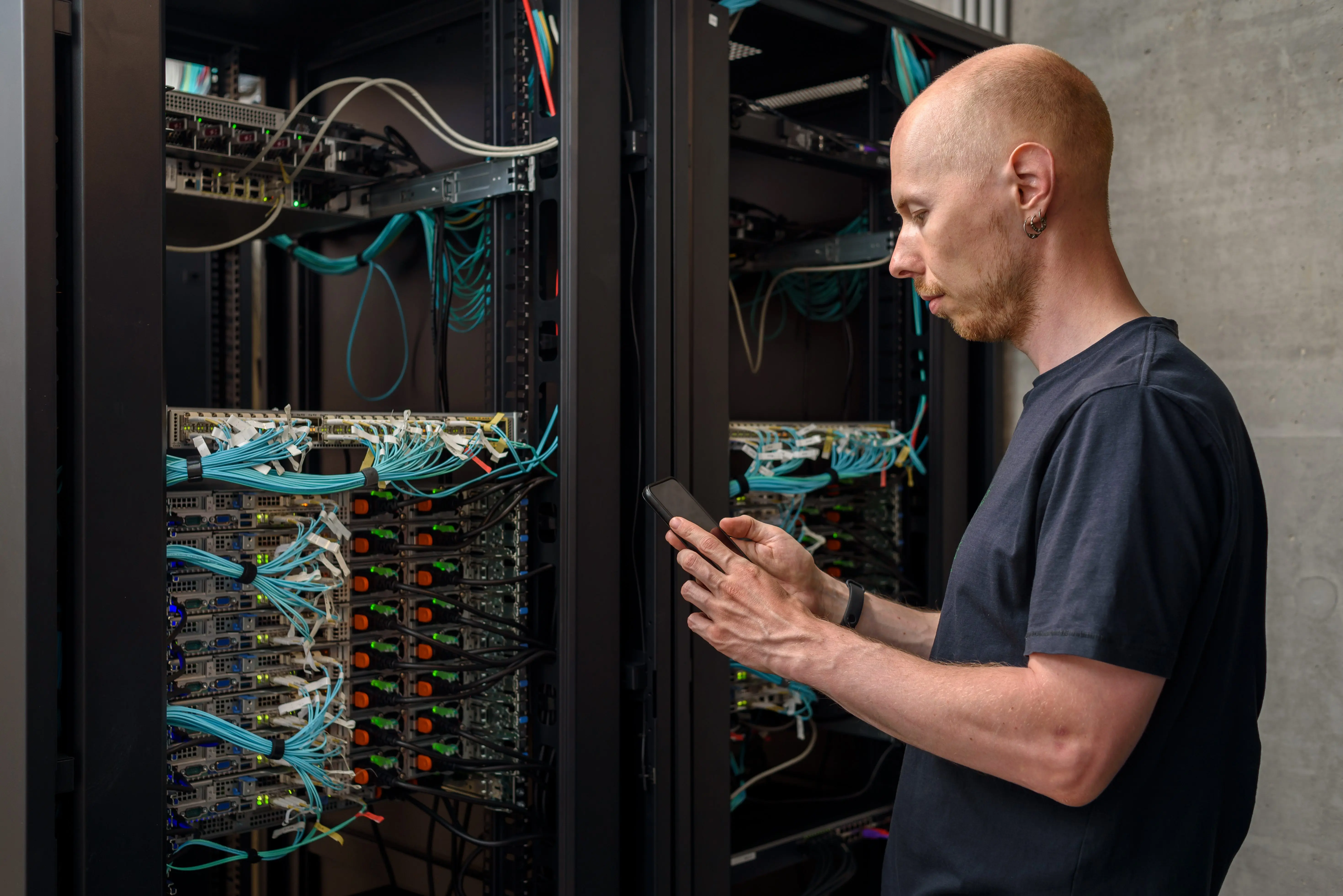
A Man services a server rack / Envato Market
Secret Service Disrupts Ambitious Telecom Threat in New York Ahead of U.N. Gathering
NEW YORK — Just as hundreds of world leaders converged on Manhattan for the U.N. General Assembly, federal agents quietly unraveled a sweeping telecom operation that officials say could have wreaked havoc on the city’s communications infrastructure.
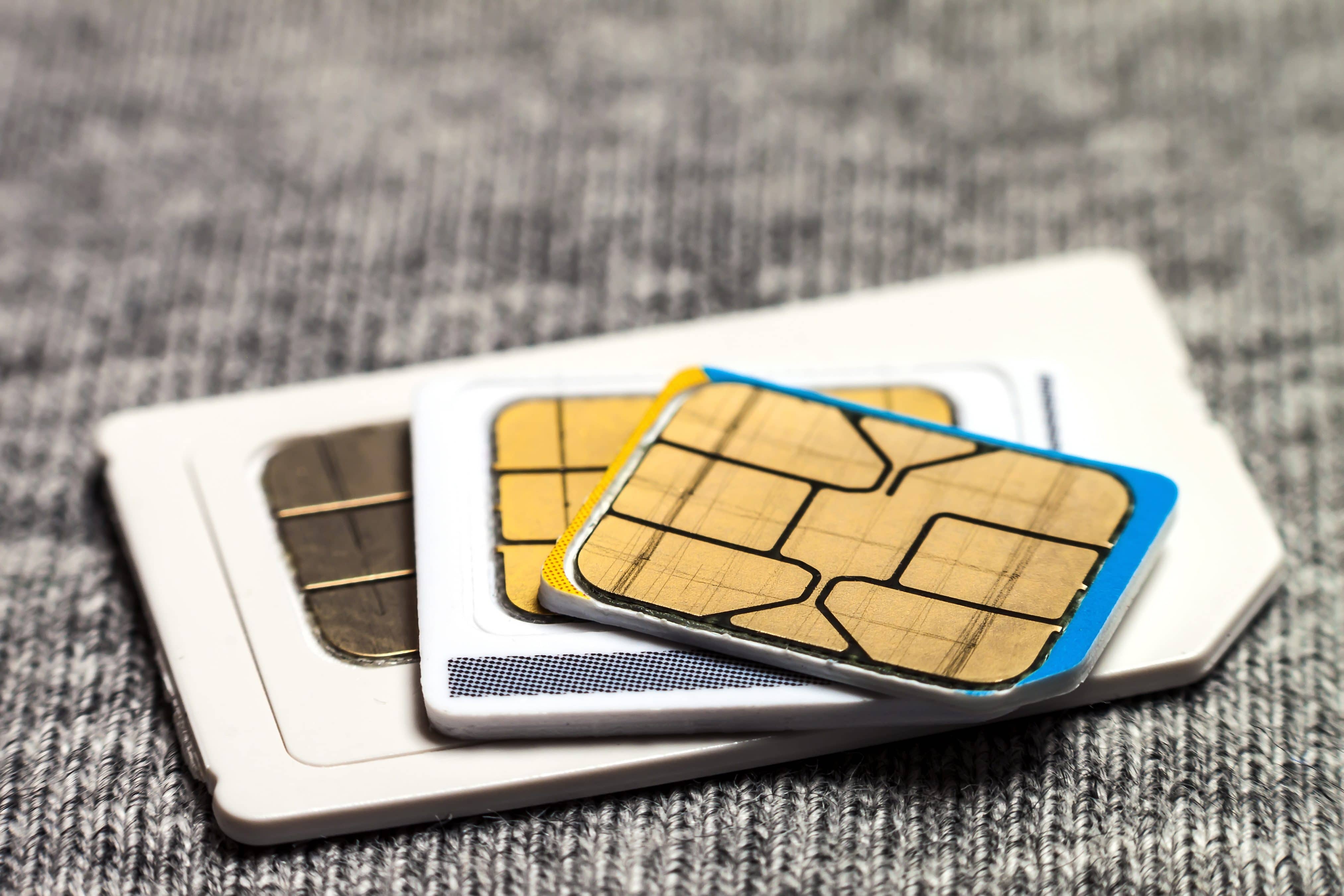
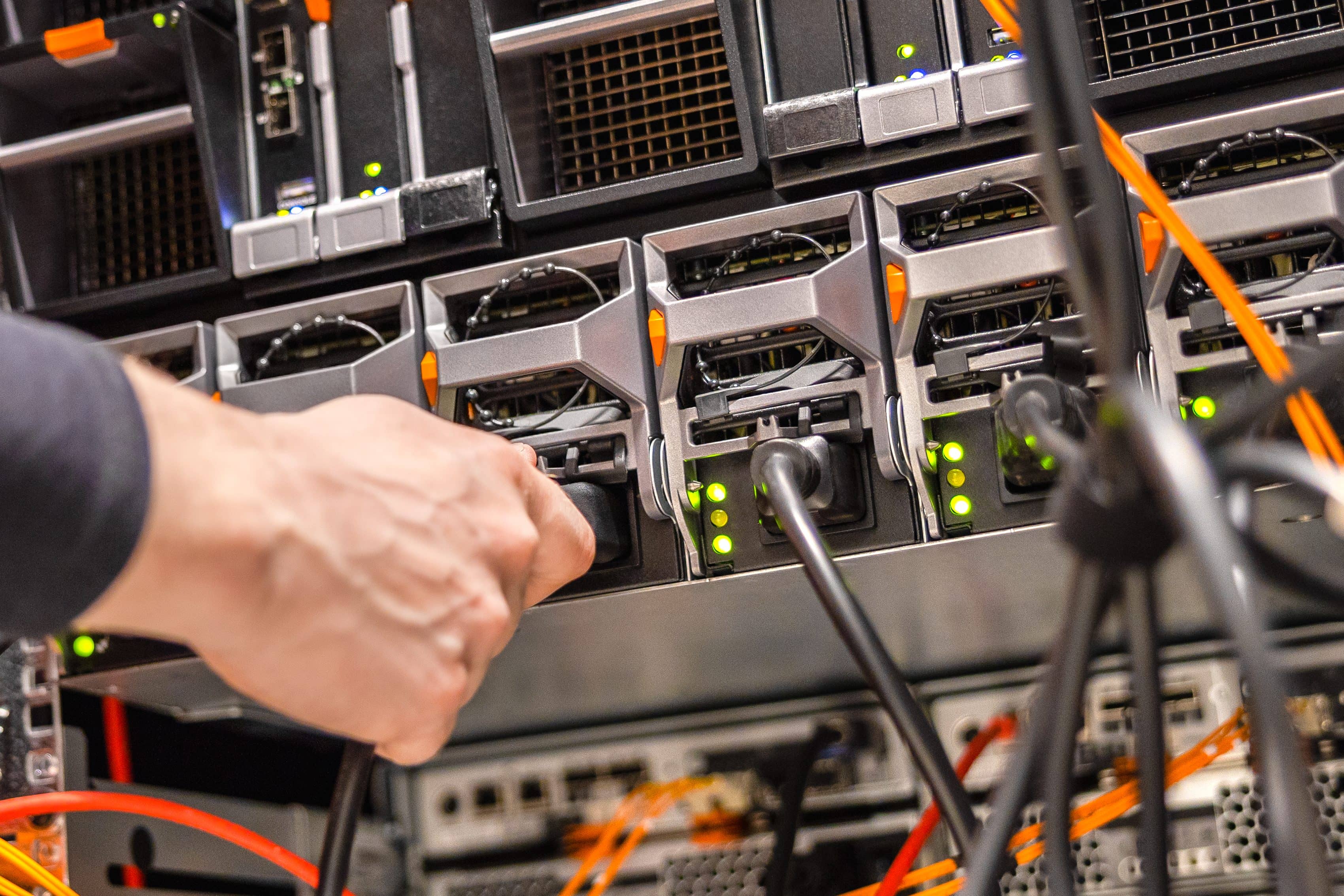
In a Tuesday announcement, the U.S. Secret Service revealed it had dismantled a network of over 300 SIM-card servers and seized more than 100,000 SIM cards, all located across multiple sites within a 35-mile radius of the U.N. headquarters. The devices were part of a covert setup that officials believe could disable cell towers, flood networks with massive traffic, and enable encrypted, anonymous communications between criminal or foreign actors.
A Looming Cyber-Telecom Threat
According to the Secret Service, the operation was identified as part of a broader investigation into “telecommunications-related threats” against senior U.S. officials. In internal statements, officials warned that the network’s scale posed a grave risk—comparable, in terms of communication disruption, to blackouts seen in past national emergencies. One metric officials cited: the system had capacity to send 30 million encrypted or anonymous texts per minute. (theverge.com)
Investigators have not confirmed that the network was meant to target the U.N. event itself, but the timing and proximity raised alarms. At present, no arrests have been announced, and the forensic review of seized devices—essentially equivalent to analyzing 100,000 cell phones’ worth of data—is ongoing. (apnews.com)
Foreign Involvement Under Scrutiny
From early assessments, officials suspect that nation-state actors were at least partially behind the operation. Some reports point to links between the network and encrypted communications involving foreign governments and individuals already known to law enforcement. ABC News quoted unnamed sources indicating that the plot may connect to the Chinese government. In addition to telecom gear, law enforcement officials claim they recovered illegal firearms, computers, mobile phones, and small quantities of drugs at the seized sites. (washingtonpost.com)
The Secret Service’s top brass emphasized that the swift takedown underscores the agency’s shift toward proactive intervention via its new Advanced Threat Interdiction Unit. “The potential for disruption … cannot be overstated,” said Director Sean Curran. (secretservice.gov)
What’s Next
Federal and local authorities—including DHS, the Department of Justice, the Office of the Director of National Intelligence, and the NYPD—are coordinating the investigation. As the forensic work proceeds, one key question remains: how many more such networks might be operating undetected elsewhere in the United States? (apnews.com)
While authorities maintain there is no known threat to the U.N. proceedings at this moment, the incident highlights a dangerous new frontier: attacks aimed not at physical targets, but at the invisible digital infrastructure that supports modern life.