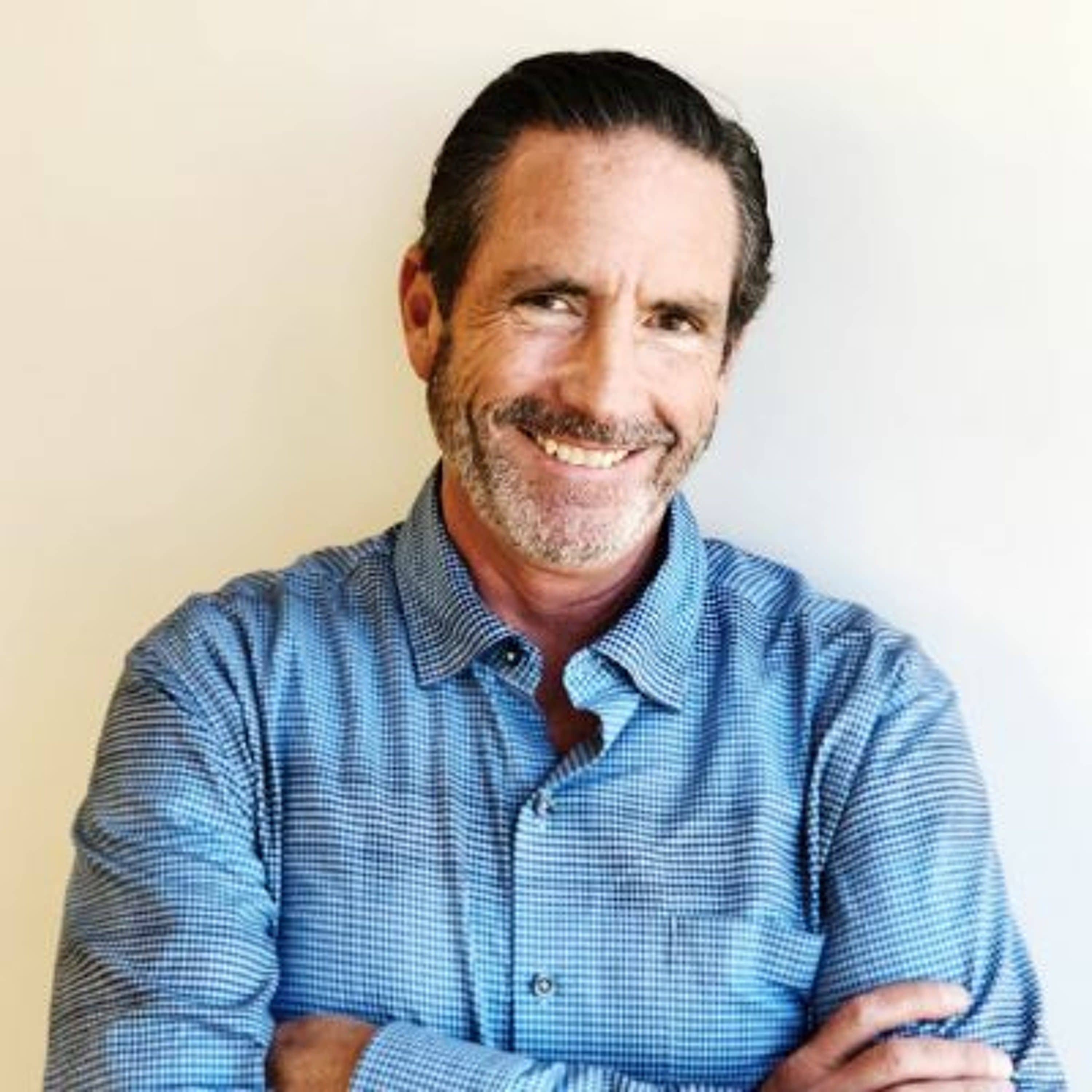




Join us in this eye-opening episode where John Rush is joined by Alvin Louie, President of Courage is a Habit, as they delve into the deep-seated issues within the American public school system. They discuss the pervasive influence of social justice and Marxism concepts in education, the impact of these ideologies on children, and the covert nature of language contamination. Alvin Louie provides insights into how schools have shifted their focus from academics to fostering ideologies under the guise of empathy and mental health programs. Don’t miss this compelling conversation that challenges the status quo and explores the hard
SPEAKER 14 :
This is Rush to Reason.
SPEAKER 10 :
You are going to shut your damn yapper and listen for a change because I got you pegged, sweetheart. You want to take the easy way out because you’re scared. And you’re scared because if you try and fail, there’s only you to blame. Let me break this down for you. Life is scary. Get used to it. There are no magical fixes.
SPEAKER 14 :
With your host, John Rush.
SPEAKER 12 :
My advice to you is to do what your parents did!
SPEAKER 10 :
Get a job, Turk! You haven’t made everybody equal. You’ve made them the same, and there’s a big difference.
SPEAKER 07 :
Let me tell you why you’re here. You’re here because you know something. What you know, you can’t explain. But you feel it. You’ve felt it your entire life. That there’s something wrong with the world. You don’t know what it is, but it’s there. It is this feeling that has brought you to me.
SPEAKER 01 :
Are you crazy? Am I? Or am I so sane that you just blew your mind?
SPEAKER 13 :
It’s Rush to Reason with your host, John Rush. Presented by Cub Creek Heating and Air Conditioning.
SPEAKER 02 :
Hour number two, Rush to Reason, Denver’s Afternoon Rush, KLZ 560. Alvin Louie joining us now, president of Courage is a Habit. Alvin, welcome. How are you?
SPEAKER 08 :
Hey, I’m doing great, John. Thanks for having me.
SPEAKER 02 :
I appreciate it very much, and this is a subject that I enjoy talking about because I have very, how should I say this, very distinct feelings when it comes to our public school system and education. how awful it is, I guess is maybe the best way for me to say it, you know, I’m with you, the indoctrination and some of the things we’re going to talk about today, it has gotten so bad, Alvin, that I really, it’s at a point where literally it’s not even a good choice any longer to send your kids to, or am I wrong in my thought process?
SPEAKER 08 :
No, you’re exactly right. I think the myth that a lot of Americans still have is even for those who know there’s something wrong in our public schools or government, K-12 schools, is that, oh, you know, there’s a lot of social justice brainwashing that’s getting in the way of academics, basically insinuating that the school’s mission is still academics, but somehow we’ve got just a few pockets of bad teachers that are kind of ruining it. That’s not true at all. What I really like to say that’s more accurate is, What little academics is still remaining is getting in the way of social justice.
SPEAKER 02 :
That’s exactly right.
SPEAKER 08 :
The entire ecosystem of K-12 is meant to do exactly what you said.
SPEAKER 02 :
That’s right. And I said this yesterday. I’m going to say it again since you’re on because you didn’t hear this story, but I’ve got some good friends. My wife and I met several years ago, and they’re retired school teachers out of Southern California, solid conservative individuals, by the way, Alvin. And here’s what she told me last time we were together. And I was amazed at this because they listen to my program. They know where I stand and all the different things. We have these discussions even more together. And her exact words to me were, John, even though we were as conservative as we are today, even through that entire time of teaching, and keep in mind they’re retired, so they were there for a long time doing what they did. And her next phrase was, you know what? We knew that there was Marxism out there and that some of this stuff was infiltrating its way in and so on. But we at the time as teachers had no idea what really was being shoveled into the kids. And we were a part of that, had no idea we were a part of it. Now that we’re out of it and can really look back on it, and see what was happening, you know, we were very much a part of that and wish now that we hadn’t been. Of course, in this case, it’s way too late, but at least they’re willing to admit what was going on at that time and really are apologetic over it because they were, in a way, I guess you could say, Alvin, even though they were solid conservatives, you know, sucked in, I guess you could say, given the material that they were being forced to give to the students.
SPEAKER 08 :
Well, fish don’t know they’re wet. That’s true. Because the ecosystem is completely… The entire mission is that. It’s different if, let’s say, 80% is still just rock-solid academics, and then they try to sneak in 20%. Then you’re going to go, hey, wait a minute, what is this? But when the entire system is geared towards separating a child from their parents, And now you said they were teaching for a long time, and also that means that they were a little bit older, right?
SPEAKER 02 :
Yeah, they’re probably, I’m 61, they’re probably 10 years older than me, so they taught for a very long time.
SPEAKER 08 :
So when this came into their school, it was at a very lighter level.
SPEAKER 02 :
That’s right.
SPEAKER 08 :
Because they got at a tail end.
SPEAKER 02 :
That’s right.
SPEAKER 08 :
And so when they were doing it, it was still, oh, it’s anti-bullying. Very, just very, like, who’s going to be against anti-bullying? And so that’s how a lot of this, the indoctrination that we see is not an academic indoctrination. It’s not a mental indoctrination. It’s a discipleship. It’s an emotional manipulation. And so they’re quite literally creating disciples out of your children and separating them from you.
SPEAKER 02 :
That’s right.
SPEAKER 08 :
And they do that through mental health. It’s not just in the curriculum, which it is, but it’s through the mental health. So the entire school is through something called culturally responsive teaching or culturally responsive competencies. And put it simply, John, this is just the praxis for critical race theory. So critical race theory, you hear that a lot, CRT, but that’s just a theory. The culturally responsive teaching and the mental health is the delivery system of that theory. That’s right.
SPEAKER 02 :
And really quick, Alvin, I think everything you’re saying, if I had this other couple sitting in studio with me today, they would agree with every single thing you just said. They could validate what you’re saying is where I’m going with that. Sure.
SPEAKER 08 :
It’s empathy, anti-bullying. So one of the things that courage is a habit that we try to teach parents to kind of help see through these manipulations and this kind of slide of mouth, is this. Language contamination. Language contamination is when they use your vocabulary but not your dictionary.
SPEAKER 02 :
So explain that. They use the vocabulary, not the dictionary. Explain what that means.
SPEAKER 08 :
Right. So if you and I say, let’s teach a kid empathy, well, you and I have a very clear definition of what teaching an 8-year-old or a 5-year-old or a 12-year-old empathy means. And I think largely every parent listening right now would agree. But when they do it in schools and they take a trait, any trait, they will do it through the lens of either critical race theorists queer theorist so for example empathy in the k-12 system means teaching girls from a very young age about marginalized people and about people who are you know different sex and transgender and all these different things and so then when the girl gets a little bit older she has to have empathy for the mentally ill man in her in her space now how would you feel okay you put yourself in that person’s shoes And so the parents don’t understand that they use your vocabulary but not your dictionary. And so whether it’s anti-bullying, they’re like, of course, of course, we should sign anti-bullying policies. No, but your son doesn’t want to use pronouns. He’s a bully.
SPEAKER 02 :
Yeah, and see, and I, by the way, just a side note, I have a whole difference of opinion than most do when it comes to the bullying aspect of things. I mean, nobody likes a bully. I’m not saying that bullying is okay, Alvin, by any means, but I also think that because of a lot of this anti-bullying nonsense that we’ve gotten into, we haven’t taught kids to, you know, my dad always taught me, you can’t throw the first punch, but you can sure throw the second one and defend yourself and knock that bully out if need be. And my point is, we have… Far too many cowards on the playground, if you would, because we don’t allow them to actually go after the bully and put the bully in its place, and the reality is now it’s out of control.
SPEAKER 08 :
Yes, and that’s called restorative justice.
SPEAKER 02 :
Okay.
SPEAKER 08 :
And that’s one of the mental health things, and basically the restorative justice will put the bully, the victim, will have to now understand why the bully’s doing it. So if you’re a child, if you’re a black child that is a bully, if you’re this child is a bully, then the victim is no longer where you when you and I are going to school or other people going to school. It was basically there’s no zero tolerance. If you’re violent or you get suspended and you get expelled. Now, restorative justice means that the victim must understand where the bully is coming from. It’s not his fault. It’s society’s fault. Society’s oppressive. And that’s why now in California and even in Colorado, you see the restorative justice play out in cities because these young people grow up and then they vote for these revolving doors. So that’s part of that mental health. But for parents, if you just ask yourself this one question in relation to language contamination, when every time they tell you, oh, we’re just teaching this. Ask yourself through whose lens? Through the lens of a good parent? Through the lens of your grandmother? Sure. Through the lens of a Marxist? Those are two very different things.
SPEAKER 02 :
Yeah, they are.
SPEAKER 08 :
This is why we try to teach parents to say language contamination. It helps a lot.
SPEAKER 02 :
I want to correct you on one thing you said a moment ago because I’m a lot older than you, I can tell, because in my day there was no zero tolerance policy. In fact, it was pretty known back then that if somebody got into a fight, you kind of let it play out and no one got expelled. It was kind of that, you know, everybody brushed themselves off, shake hands at the end, let’s be friends. And, you know, I will tell you, Alvin, that, you know, growing up and having that type of an atmosphere, there were all sorts of kids where, you know, we got into – you know, scuffles or whatever. And at the end of the day, you ended up being really good friends and there weren’t any issues. And we didn’t have a zero tolerance policy because parents believed in just letting their kids fight it out and be done with it.
SPEAKER 08 :
And that was the best way to do it. Because what they’re teaching kids today is that everyday life, basic life challenges, someone picks on you. Someone doesn’t like your shoes. That is… That equals trauma. They love that word in schools. If you ask your friends that were teaching for 40 years, they got some of that. Near the end, there’s trauma. It’s not trauma. It’s just everyday life things. So that’s why we’ve created a generation, two generation now, of really, really weak people. But you know what, though, John? Weak people, you know what they want? Big government.
SPEAKER 02 :
Yeah, that’s right. You are spot on. That’s where the whole Marxist movement comes into play, because everybody knows, I talk about this almost daily, Alvin, Marxism is a replacement of God Himself. Instead of us being reliant on God Almighty, we become reliant on government, and that’s exactly what they want. It really is as simple as what I just said.
SPEAKER 08 :
Well, it’s like what we remind parents when they get afraid, I can’t speak up, I’m going to be called a bigot, a racist, a transphobe. We say, look, I’m not saying you’re not afraid, but if it’s hard for you, imagine what it’s going to be like for your children. So the advice here is if you don’t stand up for your children today, they’ll live on their knees tomorrow.
SPEAKER 02 :
That’s right.
SPEAKER 08 :
You bow before God or you bow before the government.
SPEAKER 02 :
That’s exactly right.
SPEAKER 08 :
The way you’re teaching your kids, you don’t stand up for your children, they’ll bow before the government. They’re bowing before somebody.
SPEAKER 02 :
That’s right. And by the way, it doesn’t really matter what walk of life you’re in, whether you’re somebody that believes in God Almighty or not. At the end of the day, though, I’ll just say this. Government is not the replacement for any higher being, period, no matter what you believe in. I mean, I know what I believe in, but at the end of the day, Alvin, government is never the solution. It’s always the problem.
SPEAKER 08 :
Always. And what they teach children is to always rely on government. This is why at school they teach them to want open borders. That’s right. They teach them to want that because they want to get used to them asking the government to provide. So that’s why you can’t logic with somebody who has been brainwashed for 13 years, and I say 13 years from kindergarten through high school. I’m not even talking about college. So parents go, oh, I can talk to my kids. It’s like, look, I’m not saying – there’s a ton of good parents. Most parents are good parents.
SPEAKER 02 :
That’s right. I agree.
SPEAKER 08 :
The math doesn’t math out, right? You get them for three hours a day for Monday through Friday. Those three, four hours, most of it you’re tired. You’re exhausted from the end of the day works. That’s right. You don’t get your best. You don’t get their best.
SPEAKER 02 :
That’s right.
SPEAKER 08 :
Who gets your children’s best at school?
SPEAKER 02 :
The teachers, yeah.
SPEAKER 08 :
They’re there for seven hours a day, five days a week for 13 years. You can’t beat that kind of training. The math doesn’t work out.
SPEAKER 02 :
So talk to us about Courage is a Habit. How do folks find you? What do you guys do there? What is it that folks can get from that?
SPEAKER 08 :
Well, Courage is a Habit, we do two things. The first thing that we do is we create these beautiful tools for the average everyday parent legislators, school board members that want to make change. We break down these. It’s very complicated, right? A lot of these indoctrination tentacles. We break it down. We have call to actions. We’ve got opt-out forms. We’ve got strategies to help you protect your kids if you cannot pull your kids, which most people can’t. And then the other side of what we do at Courage is a Habit is we talk a lot about the brainwashing and manipulation of children. But you know what? The parents get brainwashed first. things like language contamination. And so what we do is we teach parents how to unsee all the illusion and all the lies and gaslighting and all the false equivalencies and all the misdirections and things. And so that’s the two things that we do. And the way people can find us is courageisahabit.org. That’s courageisahabit.org. Our socials are at Courage Habit. And we also go out to states to help certain different parent groups, teach them how to fight, teach them different strategies. And so obviously we would love to come out to Colorado groups. We’ve done some things in Colorado, and we just love working with parent groups. That’s where it’s at.
SPEAKER 02 :
Well, if anything comes up along those lines, we can help promote it or do whatever on our end to help with that. We are more than willing to do that, Alvin. I appreciate, you can tell, you are in great company. I appreciate your time. To me, this is a huge topic, one that I talk about on almost a weekly basis. I mean, there’s probably not hardly a week that goes by, Alvin, that I don’t weave something along these lines into what we do here on our three-hour program per day. So if anything ever comes up where you need some help with that, we’re more than willing to help you.
SPEAKER 08 :
Hey, I would love to do that. In fact, we just released a report about a month ago on the American School Counselor Association. I would love to come back and chat more about that.
SPEAKER 02 :
Awesome.
SPEAKER 08 :
Get your parents that listen to you to use that report to make change in their local district.
SPEAKER 02 :
Absolutely. You know how to get a hold of me. We’ll get that booked and handled. I would love that. Absolutely.
SPEAKER 08 :
Thank you so much, sir.
SPEAKER 02 :
Alvin, I appreciate it very much. Alvin Louie, thank you very much. Have a great evening. You too. All right, we’ll do it. And again, it is courageisahabit.org. Courageisahabit.org. And we’ll definitely have him back. Gold Eagle Financial did a great interview of late, Al Smith. And don’t forget, as we get to the end of the year here, certain things need to be gone through to make sure tax-wise you’re where you need to be. Reach out to Al today. Find him at klzradio.com.
SPEAKER 04 :
This is TJ with KLZ Radio here with Golden Eagle Financial and Al Smith once again. Al, how are you today? I’m great, TJ. How are you? I am doing well. I was just thinking today, Al, how do people find happiness in their retirement? You must have some pretty neat stories about the way that people have gone into retirement. What are some of those?
SPEAKER 01 :
Well, I do. We can’t squeeze them into this short time. But one of the things I have found is that people who find their purpose in retirement experience a much more fulfilling and happy retirement. A way to give back might be volunteering. It might be going on mission trips. It might be tutoring children, things of that nature.
SPEAKER 04 :
What are some ways that people can prepare for that, Al? How do people get ready for that retirement when they’re earlier on before they approach that?
SPEAKER 01 :
Well, I think what people need to do is think in terms of what they really enjoy doing. A gentleman I had on my show a week or so ago has been heavily involved in Gideon’s International, where he gives away Bibles to not only hotels, which is what they’re thought of, but also to high school students and so forth. So by getting involved in these things before retirement, it is a smooth transition then going into retirement. because then you can devote more time to what it is you love.
SPEAKER 04 :
So cool the way that you help folks get to that point, Alan. And if somebody’s here right now and they want to figure out what they want to do in retirement, how do they get in touch with you?
SPEAKER 01 :
You can reach me at 303-744-1128. Or if you’re in the car, contact KLZ and they will get in touch with me and we’ll sit down and have a conversation.
SPEAKER 04 :
Excellent. As always, you can find Al Smith of Golden Eagle Financial on klzradio.com slash money. Al, thanks for joining us today.
SPEAKER 01 :
You’re welcome, TJ. Thanks for having me.
SPEAKER 11 :
Putting reason into your afternoon drive. This is John Rush.
SPEAKER 02 :
All right, we are back. Rush to Reason, Denver’s Afternoon Rush, KLZ 560. One of you sent me… A article today that I asked you, are you sure this is real? And I did a little bit of checking, and yeah, it’s real. California, and some of you are going to say, well, who cares? Well, because a lot of things that happen in other states, especially California, for some odd reason, make it here. Because we have the same knucklehead mentality in our leaders here, the policies and so on of the world that they have in California. So yeah, a lot of what happens in California will… So they’re expanding their car seat laws with a new law, basically saying that if your son is riding in the car, he’ll have to grow a beard before he gets out of his car seat. I’m joking, but really it’s not far off of that. AB 435. will require children to pass a five-step fit test before they can stop using a booster seat, moving the requirement from age to fit that comes effective in 2027. The new rule means children who are eight years or older but still don’t meet the five-step test will need to continue using a booster seat even if they are up to 16 years old. Charlie just looked at me like, what? Can you imagine taking your 15-year-old and putting them in a booster seat, by the way? I mean, no offense. I know from my own grandkids that even when they get to be 8, 9, 10 years of age, even that is getting tough to get them into a booster seat because they don’t want to be. Now, before I go on, I get it. We want kids to be safe. I want kids to be safe as well. I understand that, you know, in certain situations you don’t want them in the front seat because of airbags and so on. I’m fully aware of that. I get it. Even now we’ve got side curtain airbags, all sorts of other things that keep people, you know, keep occupants safe inside of the vehicle. And, yes, I want kids to be safe. But at what cost? I mean… Really? We’re going to have them in a booster seat until they’re 16? I didn’t look to see. I guess I should have what this five-step test actually is. I didn’t look because if it’s government that’s doing this, God only knows what they’re wanting you to do in five steps. So the change in the new law shifts from age to fit. The law replaces the current age-based requirement for booster seats with a fit-based test extending booster seat use. Children will need to remain in a booster seat until they pass the five-step test regardless of age. their age the purpose is this law aims to protect young teens and children who are at a higher risk of injury from adult seat belts that do not fit them correctly okay again as i just said a moment ago i get all that i understand we’re trying to keep kids safe and so on but i guess the question i would have to ask folks in california how many kids every year actually have you know hard solid injuries from something along these lines I want to know the data. And by the way, anytime I ask that, I want to know the real data, not the conscrued data that a lot of politicians and activists will put together. In other words, I want the real data. Because, again, you’re forcing now something. Force is the key word here. You’re forcing something onto people that they’re currently not doing. And again, why does this matter to us in Colorado? Because this will come here, too. Trust me when I say that. If this is going on in California, it will come here. Now, some of you are probably saying, yeah, who cares, John? I don’t have any kids. Well, that’s not the point. The point is every single time government does something along these lines, it’s taking away your freedoms. The freedom to, you know, I’m one of these to where I’ve always worn a seatbelt from the day I started driving even prior to that because my dad was really big on wearing a seatbelt. Now, my mom wasn’t. My mom used to drive all the time without one, but my dad was always big on having a seatbelt. And I guess because of my dad and just the way he taught me to drive and so on, I don’t drive without a seatbelt. I never have. It’s just me. And I’m just, you guys all know, I say it all the time, I’m weird with certain things. But yeah, wearing a seatbelt’s never been a big issue to me. In fact, I’m one of those where if I get in and it’s not on, it just feels weird. It feels naked, I guess. I’m used to wearing a seatbelt all the time. So for me, not a big deal. But I’m not a fan of a seatbelt law either. My feeling is if you want to get in the car and not wear a seatbelt and be a knucklehead, then that’s on you. You know what? Maybe we should have a little bit more selective weaning of the folk, if you would. In other words, if you’re dumb enough to get in the car and not have a seatbelt on and something happens to you, that’s on you. That’s not on me. That’s on you. Now, I get it. There’s people out there that would argue with me on that. We need to keep people safe, this, that, and the other. But you can’t legislate common sense. You just can’t. And yet we try to on an ongoing basis. Really, and I dovetailed this into what our last guest was talking about because this is just one step further down the line of what he was mentioning. Now, some would say, John, this isn’t anything to do with Marxism. This is just keeping kids safe. Is it? Is it? Is that really all this is? Or is it, in fact, part of the Marxist movement? We want to control what you do, where you go, how you do it, how your kid rides in the seat, in this case the back seat, because I don’t think they’re even allowed in the front seat if they have a booster seat. So, I mean, again, is it? And again, this is something that will end up making its way to Colorado. I can guarantee you that. If they get this going in California, it will come here as well. When will it happen here? Well, they’re doing it in 2027. Look for it here by 2028 or 2029, most likely. We’ll be a year or two behind them is all, if not sooner. In fact, I’ll give a prediction. Look for this in our next legislative session in Colorado. since California just did this. And I’m not joking, because we will follow exactly what they’re doing out there. So look for this coming here. And for some, again, you’re going to say, well, who cares? It’s not a big deal. If a kid needs to be in a booster seat, put him in a booster seat. I don’t know about the rest of you, but raising kids, I couldn’t wait till those things were done and throw them away. I hated those things. And again, going back to our last conversation with our last guest where I was talking about what the playground was like when I was a kid. Yeah, I’m old enough to remember when there weren’t car seats. I can remember when my sister came home from the hospital, or not home from the hospital, but we went out a few days after her coming home from the hospital, probably a few weeks maybe, there wasn’t a car seat. I was five and a half, roughly, and I was the car seat. My mom would put my sister on the front seat in between us, laying side to side, not front to back of the car, but side to side, and it was my job to make sure my sister didn’t roll off the seat. i was the car seat basically there wasn’t any way to strap a kid in back in those days in fact they advertised even certain types of car seats where you could put the kids back in the back package tray and they could sleep and so on and i mean that’s just what we did as kids you know somehow we all survived and i get like i said earlier we want kids to be safe and i’m not saying they shouldn’t but holy cow we we survived You hear Richard periodically calling my youngest. His first car seat was all metal. We didn’t have those fancy car seats like you have today that were all plastic and nice and so on. And frankly, didn’t have enough money if they would have had one. We had some hammy down metal thing we put Richard in. He made it. And I couldn’t wait to get him out of that thing. I hated those things. Pain in the neck. Anyways, I know I’m digressing, but is this an overreach of government? I think it is, yes. Parents should be able to know and be responsible enough to know what to do with their kids and whether they should be in a booster seat or not. Again, I was raised, and you guys, a lot of you listening were as well, where when we were on a family vacation, the station wagon seats were all folded down. You threw blankets and pillows back there, and us kids rode in the back like that, and they’re wearing a seatbelt one-on. And nobody thought twice about it. You’d wave at the cars going by. Nobody thought anything of it. That’s just the way things were. Somehow we made it. Anyways, we’ll be back. Let’s do this. Mile High Coins coming up next. And again, you might have a collection of things you’ve been kicking around the house over the years. Things keep piling up. You’re thinking, man, maybe I should turn some of that into cash, especially at the price of gold today. Yeah, figure out what that’s worth. Free appraisals for KLZ listeners. And you can turn that into cash if you’d like at that time. 720-370-3400.
SPEAKER 05 :
At Mile High Coin, we help you discover the true value of items you already own. Especially as we head into the holiday season, your old coins, watches, and jewelry could help make a real difference for your family. With gold and silver prices at record highs, now’s a great time to liquidate collections. Whether it’s funding a holiday trip, picking out meaningful gifts or helping a child or grandchild with college, a car or first home, selling items of value can make a big impact. Many people are surprised at just how much their gold and silver coins, watches and jewelry are worth. That’s why David at Mile High Coin offers no cost appraisals. so you can see the true value before making any decisions. Mile High Coin is a faith-driven company with an impeccable reputation, A-plus rating with the Denver Better Business Bureau, and excellent Google reviews. Call 720-370-3400 or visit milehighcoin.com today and see how Mile High Coin can help you turn your treasures into opportunities this holiday season.
SPEAKER 02 :
Michael Bailey, he’s our mobile estate planner. Make sure you’re dialed in with your estate. We talked to him yesterday about that. Get on his schedule now. Find him at klzradio.com.
SPEAKER 04 :
You’ll be so thankful that the mobile estate planner, Michael Bailey, keeps you awake long enough to actually finish your estate plan. That’s because he makes wills, trusts, and powers of attorney almost fun. Yeah, we said almost. Because let’s be honest, talking about what happens after you die is not on your bucket list. But Michael’s sense of humor somehow makes it easier. He’s like that friend who makes an IRS audit sound like it was just no big deal. And most clients leave relieved. And while the DIY guys online make you fill out forms until you go crazy and start googling, what happens when I die without an estate plan? We’ll be right back.
SPEAKER 03 :
Is your office ready for a new copier? Business Equipment Service has you covered. Whether you’re a small business or a large corporation, Business Equipment Service has current model Konica Minolta and Canon copiers on sale right now. Our models have very minimal usage at a fraction of the cost of buying new. We stand behind our equipment with a 90-day parts and labor warranty, as well as a one-year or 100,000-page performance warranty. giving you the reliability you need to keep things running smoothly. Right now, get free delivery and installation when you mention this ad. Why choose us? Aside from saving thousands on high-performance copiers, we have lease options starting at $100 per month, we service and supply what we sell, we offer full-service maintenance plans, fast on-site service, and remote support. For over 20 years, Business Equipment Service has helped hundreds of Colorado businesses find affordable, reliable office solutions. Visit us at besofcolorado.com or call 303-825-5664. Live and local, back to Rush to Reason.
SPEAKER 02 :
All right, we are back. Rush to Reads and Denver’s Afternoon Rush, KLZ 560. Thanks for texting, calling, all of that. I appreciate it very much. And something that I found in the Wall Street Journal today, which you guys are already going to know my feeling on this, but headline reads, using your credit card at the checkout is set to get a lot more complicated. And here’s the reason why. Basically, what’s happening is there’s a settlement between Visa MasterCard and U.S. Merchants that was announced this week that could usher in a new era of tiered pricing at the register, giving businesses more power to charge fees depending upon the credit card that you use. Now, you guys already know my thoughts on that. And when I coach a client, one of the first things I do is ask if they’re charging a credit card fee. And if they are, we’re not going to do that. And we don’t. Because my feeling is if you’re a business owner that does that, you’re a dope. Meaning you don’t know how to run your business well enough to cover those fees. Which every merchant has, by the way. Everybody takes credit cards. Every one of them has a fee associated with it. And a combined fee typically, depending upon your volume and your per transactions and so on, and it’s rated on that and the type of transactions, by the way, that you do. There’s a formula that the banks use to determine what your rate’s going to be, but it’s typically 2% to 3%. Rarely is it below two. Also, rarely is it above three. Sometimes it is if you’re a brand new merchant because that’s the other thing that comes into play. How long have you been in business? What kind of a track record do you have? In other words, what risk are you from the bank to you and so on? Do you see cards physically? Is it all done over the Internet? Do you swipe a card or use the chip? Things like that. And a lot of that will have a bearing upon what your actual fee is. So my feeling is, as a merchant, as a business, if you know you’re going to have a 3% expense on every single transaction that you do, then you should build in that 3% expense into the profit margin of what you’re doing with your goods and services. And if you don’t, you’re dumb. Now, a lot of merchants don’t do that. They nickel and dime us. I hate it, by the way. Absolutely despise this. In fact, I am one of those where if I see somebody doing this, I say so. I explain it just like I explained it to you guys. And a lot of you continue to tell me businesses that do this on an ongoing basis. And frankly, if you have a choice of doing business someplace else, I would. I would because I frankly hate this. I hate this method of doing things. Now, I get it. Some don’t know any better, and I think some merchants will see, well, so-and-so does this. I think we should do the same. My competitor is doing it, so I should do the same, which, by the way, dumbest thing you could ever do. Just because your competitor does something dumb doesn’t mean you should. I get it a lot do, but just because that other shop, that other whatever is doing that same thing, you shouldn’t. Just because the other restaurant does X, Y, Z doesn’t mean you should. I hate looking at a receipt and having a bunch of nickel and dime things on it because to me it just feels like you’re nickel and diming me. And they are. So I personally refuse to do business in that way. Now, I understand there’s certain places you go where, like the state, for example, because it doesn’t have quote-unquote profit in it. Yes, they will charge you X to run a credit card in certain circumstances. If you’re going to pay your property taxes, by the way, to your county and you want to use your credit card, they’re going to charge you for that. And by the way, in that case, do the math. Figure out what you’re actually getting as a reward for that card. If you are, in fact, getting a reward, and does the reward outweigh the fee? And if so, then use your credit card. Who cares? And at the end of the day, you do whatever you need to do. Now, I do me, and I won’t do business with a lot of those businesses because I just think it’s the wrong way to do it. Now, in this particular settlement, This is now going to allow – it was a two-decade antitrust battle over fees. So what’s going to happen now is you’re going to start seeing merchants say either we’ll accept this card and it’ll be at this fee or we’ll accept that card and it’ll be at this fee and you get my drift. In some cases, they may not take the card that you’re carrying. Meaning, if you’re somebody that always uses Visa and you go someplace that only wants American Express or you’re an American Express user, but you go someplace that only likes Visa, you get my drift. And you’re going to see merchants now in the checkout end of things, if they’ve got the ability to charge, charging different rates depending upon what card you’re using. Again, something I am dead set against. And the bad thing about the article I’m reading out of the Wall Street Journal is they almost make it sound like this is a fine thing to do. This is what’s going to happen. I think it’s – I would have written this article and said, you merchants are dummies. Why are you doing this? You shouldn’t be. A lot of merchants do. And by the way, if you’re one of the merchants that – if you are a merchant that does this, stop. Stop. Stop. And by the way, I coach businesses. If you want to know how to stop, reach out to me. I can coach even through one or two sessions on how to quit doing this. It’s not that complicated. Stop doing it. I hate it. It’s a bad business practice. I’ll preach on this until I go to the grave because I just think it’s a bad, bad business practice. And a lot of you listening would agree with me on that. I get text messages from a lot of you on that, even examples of what you pay at certain times. And it’s just wrong. It shouldn’t be happening. You shouldn’t be paying anything extra to use your credit card. That merchant should be able to build the cost of that transaction into the transaction itself. And if they’re not, that’s on them. So all of you that are listening that might be doing business and you’re doing this now, please stop. Please stop. And again, I get it. Not everybody understands how to quit doing this, but it really isn’t that difficult. And I do feel like a lot of merchants do this because they see one doing it and now they’re going to start doing it. And by the way, some of them, I know this for a fact as well, because I know the type of businesses that some of these are and I know what their fees typically are going to be because it’s not that hard to figure out what fees they’re paying. A lot of these merchants are making money on the fees. They’re charging 3%, 3.5%, in some cases 4%. I’ve heard some of you even text in as much as 5%. But even at 3%, 3.5%, they’re probably making money on the fees. Not a lot. They’re making a half a point or so on the fees, but do that over and over and over and over again, and it starts to add up. They’re not losing money. They’re making money. And I’ll tell you right now, at 4%, they’re making a point because most merchants aren’t paying over 3%. And if they are, they’re not shopping it well enough, and they haven’t done a good enough job of getting that lowered. It’s like anything else negotiation-wise. You can negotiate the fees you’re paying on your credit cards by shopping it and pitting these guys against one another. It’s doable. And I coach my clients on this on a routine basis. It’s not that hard. So again, at the end of the day, If you’re a merchant that’s doing this, please don’t do this any longer. And if you’re in this whole realm of where you’re now going to decide what card to charge what for, like this article I’m reading from the Wall Street Journal talks about, stop doing that also. I mean, and again, I’ve got a lot of text messages. I can’t even read them all right now. I guarantee you a lot of them are going to come in here talking about the very thing that we’re covering right now. And it’s ridiculous. It’s ridiculous. So… Thank you, by the way, for the text messages. I’ll try to read these as much as I can throughout this break. Cub Creek Heating and Air Conditioning coming up next. And one thing that they’ll do is allow you to make an appointment online for your next service. Just go to – oh, I’ve got to stretch it out. One minute. Oh, Charlie says one minute. Well, I can talk about Cub Creek for a minute. You can make an appointment online with Cub Creek, and the easiest way to do that, you go right to their website, but the best way to find their website is go to klzradio.com, find Cub Creek there. They’ve got the ability to go online and literally look at the schedule and determine when do you want Hunter to come out and do whatever is needed on your particular home. And again, it could be AC-related, which we’re not in that season. It could be the furnace. It could be a combination of whatever it happens to be. It could be just a regular standard service. Don’t forget to ask about their memberships when you talk to them as well. But you can make that appointment online. Just go to klzradio.com and look for Cub Creek there.
SPEAKER 13 :
When your furnace goes out, Cub Creek heating and AC turns panic into peace. Picture this. It’s midnight. You hear clanging downstairs and a cool breeze wafts past you. You can already see your breath and your kids are huddled under blankets while you frantically Google emergency HVAC near me. Instead, you should have become a Cub Creek member already. Cub Creek members enjoy priority service calls, especially in emergencies. And Cub Creek proactively calls you for things like maintenance tune-ups and filter changes. They will have a record of your service and equipment history, helping them diagnose and prevent problems even before they can start. So be your family’s hero and call our REAM-certified pro partner, Cub Creek, to become a member. so you never have to worry about whether your furnace will keep working or not. Find Cub Creek Heating and AC on the klzradio.com advertisers page and klzradio.com slash HVAC.
SPEAKER 02 :
Regional Auto Brokers is next. Great inventory of vehicles right now. If there’s something that they don’t have, they’ll do their best to find it for you as well. Talk to them today. Just go to regionalautobrokers.com.
SPEAKER 09 :
Looking for the right car at the right price? Ridgeline Auto Brokers makes it easy. They specialize in quality vehicles priced between $15,000 and $25,000, perfect for first-time drivers, families, or anyone who wants real value without the hassle. Every vehicle is thoroughly inspected by Legacy Automotive, a trusted drive radio sponsor. That means you can buy with confidence, knowing your next ride is ready for the road. No dealer fees, competitive financing, and trades are welcomed. A 30-day warranty on every vehicle and your first oil change is just $1. Explore detailed videos of every car at RidgelineAutobrokers.com before you visit. Ridgeline also has a great consignment program to assist you in the sale of your car, truck, or SUV. So if you’re ready to buy, trade, or sell your vehicle, call 303-442-4141 or visit RidgelineAutobrokers.com. Ridgeline Auto Brokers, the right car, the right price, right now.
SPEAKER 11 :
Now back to Rush to Reason on KLZ 560.
SPEAKER 02 :
Real quick, just to throw this out there, because somebody texted in that I was talking a lot about Marxism today and so on, that Karl Marx was actually a Jew, and I should see the connection between that and this particular individual’s hate of Jews in Israel. By the way, I don’t know where you’re getting that information from, but he was of Jewish descent, was not by any means a practicing Jew, was not involved in the religion. In fact, his parents converted to Christianity before he was born. So, yes, he actually grew up in a Christian home, so I guess now you could say Karl Marx was more aligned with Christianity and yet came up with the whole Marxist movement. So I just shot your theory out of the water, by the way. But this same individual, by the way, is supposed to be sending me Scripture along the lines of, you know, what we’ve been talking about over the past several days about this hatred of the Jews and Israel and so on, and it’s been crickets. I haven’t seen anything. You ought to listen to the podcast, by the way, those of you that… are so anti-Israel and anti-Jew. Listen to the podcast this week. It played today. It’ll play again Saturday morning from 7.30 to 8.30, and then again sometime on Sunday. You can always go listen to the podcast itself just by finding your favorite podcast service and type in National Crawford Roundtable, and you can listen to the great discussion that myself, Bob Duco, and Neil had on that very subject of all of you Jew haters that are out there. So I encourage you to go listen to that because you’re all, frankly, dead wrong. No other way to say it but dead wrong. Anyways, back to the whole credit card fee thing and several of you texting in things and examples of where you were going to be charged for credit card fees and so on and you fought back. And by the way, good for you. Good for you. And some of the examples you guys are giving me, I wouldn’t go back to those places of business. The way some of you are telling me you are treated over even commenting on it, you need to find better places to go do business. And I mean that sincerely. And some of you, again, I’m going to throw this out there, some of you that are business owners that feel the need to charge for these credit card fees, you should reach out to me because as a coach, I can coach you on how to not do stupid things like that. OK, and I don’t know any other way to say it. I can teach you how to do business properly, whereby you’re better than your competitor and you give your customers a really nice experience and they don’t feel nickel and dimed when they leave. So I’ll help you with that if that’s something that you you need help on. All right. Open table. Now, I don’t know how many of you actually use the service open table. I use it quite often, actually, for those of you that don’t know what open table is. Charlie, do you know what open table is? Open table is a app. whereby you can find reservations for wherever you could be in your hometown you could be in a different town you could be figuring out hey i want to go to dinner and it’s not all just fancy places it’s anybody that will take a reservation for you to go eat so it can be some of the very simple you know restaurants but they still have reservations and you want to be able to get in you don’t want to i’m one of those guys you guys already know i’m not the most patient of individuals and i I don’t want to stand in line waiting for a table. I will not do that, frankly. It’s got to be a pretty special place for me to wait in line for a table because there’s too many other choices for me to go eat at, and I don’t have to eat your food if I’m going to wait in line. So I will go ahead and get on OpenTable and figure out, is there an opening at X restaurant or any restaurant for that matter, and or what am I hungry for? And then I’ll make a reservation, and that’s how I do it. And I’ve used OpenTable now for quite some time. Some of you listening probably do as well. If not, it’s a great resource. Now, here’s something, though, about OpenTable. And I say it’s a great resource, but you might have a different opinion after I tell you what they actually do. So open table now is sharing your dining habits, good and bad, with restaurants. In other words, are you a drinker? Are you not? Are you a high spender or are you a cheapskate? In other words, do you tip well? Do you not tip well? Are you a slow eater? In other words, do you inhibit the restaurant from having a table turn? Things like that. OpenTable now is tracking some of those things. And when you go to make a reservation, they are sharing that with that next restaurant. Which, frankly, you know what? Fine by me. I am somebody that understands how businesses make money. And I’m one of those people where if the meal’s over, and I’ve done this even with other couples, where you’re out to dinner, you’re sitting there, everything’s done, the meal’s over, you’re kind of chatting. And the first thing I do is I look around the restaurant. And if I see a bunch of people waiting to get in, then I’m liable to say, guys, you know what, let’s let the restaurant get a table turned in. Let’s get up and we can go have this chat someplace else. On the other hand, if I look around and there’s a bunch of open tables around and there’s no wait out front, you know what? Hang out. I don’t care. Not a big deal. Because I’m not hindering that restaurant from having a turn. But again, I know how businesses work and I know in the restaurant world, how many times they can turn the table in an evening especially really helps their bottom line. The worst thing for a restaurant is to get some, you know, cheapskate, you know, couple, family, whatever, that just sit there and barely even eat anything and suck up a table for hours on end and they can’t get another turn out of it. That’s a customer that costs them money. I don’t want to be that customer. I want to be a good customer because I like good service. And I want to be greeted and welcomed and all of that when you come in. And typically I am because I’m a good customer. Because of some of the things that I’m talking about. Some folk, and I’m not sure if there’s any schools on this, but some folk need to understand how businesses actually operate, especially restaurants, so they can become a better client. There’s a lot of bad clients. For example, going back to the whole car seat and kids. I raised seven. And you can imagine going to dinner, especially with younger kids, and there’s seven kids, and you know kind of what happens if you go out to eat and the messes that can be made and so on. Well, you know, my wife and I at that time would do as best we could to even clean up after some of the kids. And, of course, we didn’t let our kids just, you know, make a huge mess anyways, but we would do our best to clean things up and tidy up as best we could because we didn’t want to leave a huge mess for the bus person or the waitress waiter to have to then clean up because I know what that’s like. By the way, very few parents do that because I watch them. Most parents, they’ll get in there, and they don’t care if little Johnny or Susie trashes the place. They could care less. Up they go. They leave. They feel like they paid for a meal, maybe left either a meaningful or not meaningful tip, and they feel like they did their part, and out the door they go. That’s not enough, folks. I don’t see it that way. Even me personally, I will do what I can to make sure things are tidied up and handled and so on, and I know there’s etiquette on stacking plates and so on, and I’m not going to go down that path, but I do my best to make sure that the waiter, waitress, bus person has the least amount to do when I leave. I want to be a good customer. At this point, in this open table conversation is where I’m going here, is they’re going to start sharing a lot more information as to what I just said with the restaurants, meaning that if you’re somebody that’s not a good customer, it might even affect your potential reservation. I don’t know exactly how their algorithm works, but I’m guessing that what will start to happen, it’s not in this article, but I’m guessing what will start to happen is some of this information is going to get shared. Back and forth. And if you are known as a really slow turn table that doesn’t tip well, and you’re kind of one of these people that complains about everything, you may not see some of the openings that a better customer would see. I guarantee you that’s where this is headed. And by the way, rightfully so. Because restaurants need to do everything they possibly can to stay open and make money. And it’s a terrible business to be in in the first place. That’s why I’ve never owned a restaurant, nor will I ever own a restaurant. It’s such low margin that, yeah, count me out. But I like going out and I like eating. I like having somebody else serve me at times because it’s just what I like doing occasionally. It’s my break, I guess you could say. And for a lot of you listening, I’m sure you’re exactly the same way. Well, I want to be treated well and I want to get into places and I want to be a good customer. And if this is what OpenTable is doing, you need to even be a better customer than you have been. And I’m not against this. I think a lot of people might read this article and say, this is really bad. I think it’s great. If I were a business owner, a merchant, and I had the ability to qualify a customer prior to them ever walking in my door, would that be an advantage or a disadvantage to me as a merchant? It’d be a huge advantage. Because I can tell you right now, I’ve even told some of my clients, there are certain clients where you’re better off to give them a $20 bill at the door and send them down the road because it’s going to cost you way more than that when it’s all said and done. That’s how bad of a customer they are. It’s an old saying, the customer’s always right. And I don’t like that saying because, no, that’s not true. The customer’s always the customer, but, no, they’re not always right. In fact, they can be dead wrong, and a lot of them are because there’s a lot of jerk customers out there. that frankly don’t deserve to be weighted on any way, shape, or form anywhere. And some of you know exactly what I mean by that because some of you are in business for yourself and you’re a merchant and you know exactly what I’m talking about. So bottom line, do I think this open table thing is good? I think it is. As a coach, coaching businesses, I think this is great. I wish there was more of this. How to get your customer qualified. Now, really quick, for a lot of you that are merchants that have ever thought about advertising, let me put a little plug in really quick for us and what we do here. And I can tell you this straight up from the folks that are partners with us. Our customers, our listeners, they’re qualified. They’re solid individuals. They know how to take care of business. They know that they want to be treated well. And if you treat them well, they’ll take care of you. And they’re pre-qualified when they walk in the door. So for those of you that aren’t advertisers that would like to be one, I’ll tell you right now, we will send you clients that are qualified. Because that’s what we do. Because my listeners are top notch. I’ll put my listeners above anybody out there, any other radio station out there. I’ll put you guys far above any of them. So the one thing that I always get positive feedback from on all of our partners here that we have is we have great clients. We have great listeners and they love doing business with you guys. So you know what? That says a lot to me about the quality of the audience that we actually have. And I appreciate each and every one of you because I get that feedback back from our sponsors. So if you’re somebody out there listening that would like to be an advertiser and you’ve always wondered how would that work, that’s how it works. And yes, we generate results. We do because I believe we have some of the best listeners that are out there, and I enjoy fully working with each and every one of you. Roof Savers of Colorado coming up next. And speaking of Dave, he’s a great guy, by the way. Love working with Dave. Solid individual that knows how to take care of your roof. Commercial residential. He can, remember, also rejuvenate your current residential roof. Have it last up to 15 years longer, saving you money along the way. 303-710-6916.
SPEAKER 06 :
Homeowners in Colorado are getting letters from insurance companies dropping their coverage, all because their roof is getting old. Even if it isn’t leaking yet, insurance companies don’t want the risk. But there’s a smart solution that can help protect your home and your policy. RoofMax. Roof Savers of Colorado can apply RoofMax, a plant-based treatment that restores flexibility to aging shingles and extends the life of your roof for up to five more years at a fraction of the cost of replacement. It’s fast, affordable, and often helps homeowners meet insurance requirements without a full tear-off. Call Roof Savers of Colorado today at 303-710-6916 or visit RoofSaversCo.com for a free roof assessment and protect both your home and your insurance coverage. Roof Mags of South Aurora, giving old roofs a new lease on life.
SPEAKER 14 :
This isn’t Rage Radio. This is Real Relatable Radio. Back to Rush to Reason.
SPEAKER 02 :
Some of you, by the way, giving stories on how it is inside of restaurants and so on, kind of dovetailing into my last conversation about Open Table and some of the stories I’m hearing, it’s why I’ve never owned a restaurant. No thanks. And sadly, people are jerks. in a lot of cases i’ve watched some of the things that happen at you know different restaurants and so on and oh my word some of the ways people behave i get embarrassed and i’m not even that customer and i’m embarrassed i mean customers are awful at times so thank you by the way for all the text messages backing up some of the things i just got done saying there for the last few minutes all right another full hour coming your way don’t go anywhere this is hour two we’re finishing up hour three is next rush to reason denver’s afternoon rush klz 560.
SPEAKER 1 :
Bye.
SPEAKER 12 :
I’m a rich guy