



Hungary / Envato Market
by Stefan J. Bos, Worthy News Europe Bureau Chief reporting from Budapest, Hungary
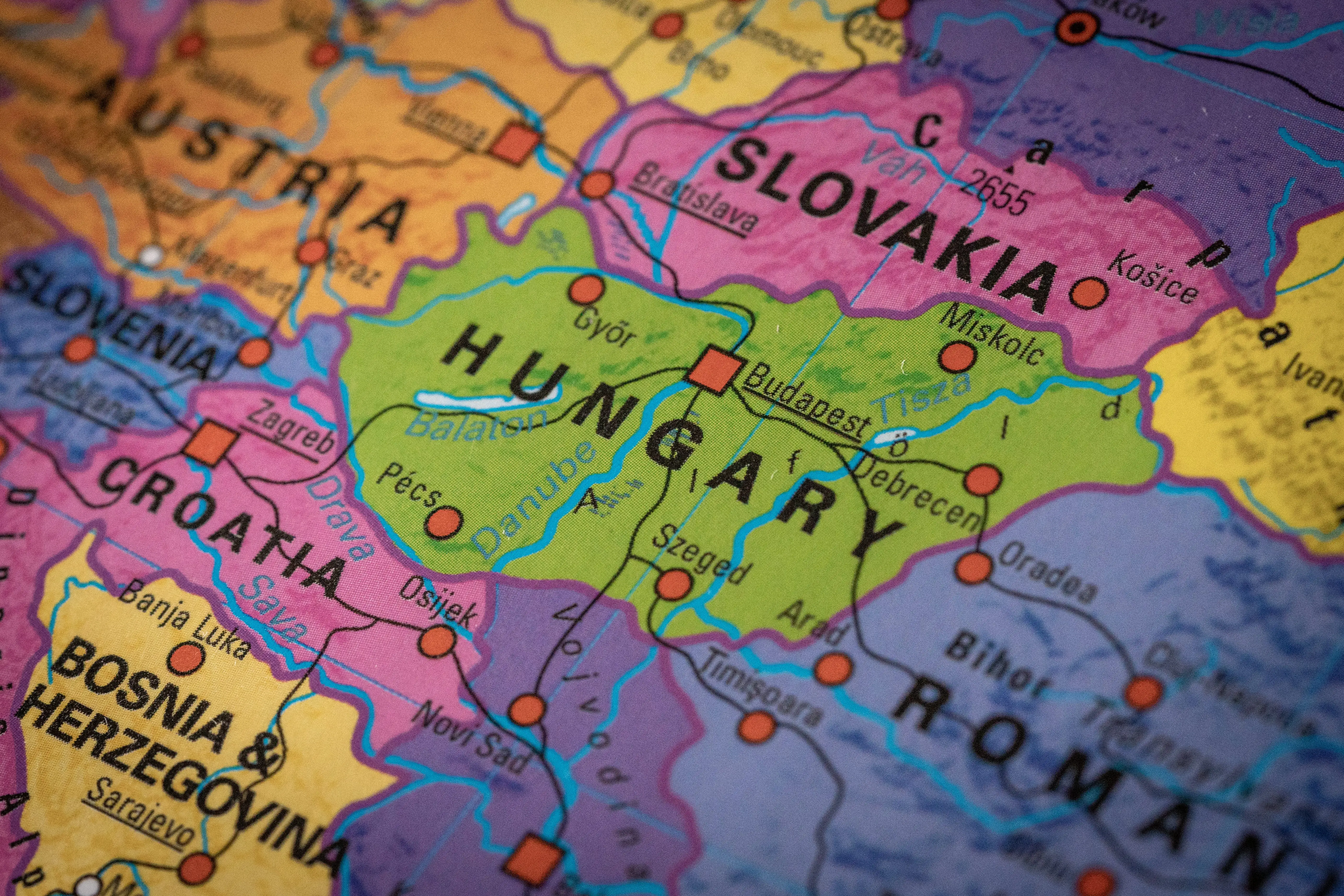
BUDAPEST (Worthy News) – Hungary’s outgoing Prime Minister Viktor Orbán has announced he will leave parliament after one of the longest continuous parliamentary careers in modern Hungarian politics, while seeking to retain influence over his party following a historic election defeat.
Orbán said he would not take up his mandate in the 199-seat National Assembly, ending a 36-year tenure that began with the first democratic elections after the fall of communism in 1990.
The 62-year-old leader said he agreed with his right-wing Fidesz party officials that it was time for the “renewal of the national side,” adding: “We need the opinions and experiences and will act on behalf of every member of our community.”
Several senior ministers have also indicated they will not return to parliament, signaling a broader reshuffle within the ruling camp.
However, incoming Prime Minister Péter Magyar has accused Orbán and his allies of avoiding accountability. “The ‘brave’ street fighter is still unable to take responsibility,” Magyar said about Orbán.
BREAKING: Viktor Orbán quits Hungary’s parliament after 36 years – confirming my earlier scoop that he’s planning a longer US trip this summer, where heads of the Orbán business empire – his daughter and son-in-law – already live, and where he could seek refuge from prosecution. pic.twitter.com/SiPzXRDtCm
— Szabolcs Panyi (@panyiszabolcs) April 25, 2026
https://platform.twitter.com/widgets.js
TAX INVESTIGATION
Magyar also announced plans to establish an office to investigate alleged widespread corruption within government circles and associated business networks. His center-right Tisza party also seeks to use its two-thirds parliamentary majority to introduce anti-graft reforms.
Magyar said he was aware that Hungary’s National Tax and Customs Administration (NAV) had suspended several large-value transfers linked to associates of Antal Rogán, Orbán’s top minister, citing suspected money laundering.
“I call on the authorities to immediately freeze the stolen funds,” Magyar said, adding that some entrepreneurs linked to the government were attempting to move assets abroad. Magyar also said that the government has destroyed sensitive documents showing possible wrongdoing, including at the foreign ministry.
He urged law enforcement leaders to “arrest the criminals who have harmed the Hungarian people with many thousands of billions of forints.”
NAV did not immediately respond to the allegations.
MULTIPLE CORRUPTION ALLEGATIONS
Rogán, Orbán’s minister in charge of the prime minister’s cabinet office, has faced multiple allegations of corruption and abuse of office.
The U.S. Treasury previously sanctioned him under the Global Magnitsky Act, accusing him of using his position to enrich himself and allies, including by “manipulating government contracts and public resources.”
U.S. officials described him as part of a “systemic corruption network,” imposing asset freezes and a travel ban.
Rogán denied wrongdoing, and the sanctions were later lifted in 2025, in what critics described as a political and diplomatic decision rather than a legal exoneration.
Orbán’s departure from parliament following the April 12 vote marks a significant turning point in Hungarian politics, ending more than three decades of continuous legislative presence.
STRENGTHENING HIS POSITION
Yet his decision to remain Fidesz leader, at least for now, suggests he may continue to shape the party’s direction from behind the scenes as Hungary enters a new political era, observers said.
Political scientist Dániel Mikecz suggested Orbán’s decision not to step down as party leader could actually strengthen his position.
“It can suggest that he is taking responsibility, but at the same time, he can be removed from daily political battles,” Mikecz said, noting Orbán could avoid a diminished parliamentary role. “He will not have to sit in the back row in parliament.”
Mikecz added that Orbán had previously adopted a similar approach between 2002 and 2010, when he remained a symbolic leader while others handled day-to-day parliamentary work.
Yet criticism within Fidesz has intensified. Fidesz politician Nóra Király said the party requires a “complete renewal” and argued Orbán should have resigned as party leader on the night of the election defeat. “Viktor Orbán is an exceptional leader, but for years he has surrounded himself with bad people who keep him in a bubble and shut him out from the real world,” Király added.
PARTY CAMPAIGN APPROACH
She warned that continuing politics based on division and “hatred” could leave the party in serious trouble and apologized for past campaign strategies.
Király told Hungarian media that replacing lawmakers alone would not be sufficient. “In my opinion, the entire Fidesz needs to be renewed,” she said.
She also criticized the party’s campaign approach, saying leadership ignored warnings that voters might reject a heavy focus on war-related messaging about Ukraine.
“The campaign management insisted this was the right direction,” she said. She compared the internal party dynamics to a military structure where dissent was discouraged.
However, Orbán’s departure from parliament marks a significant turning point in Hungarian politics, ending more than three decades of continuous legislative presence.
Analysts say his decision to remain Fidesz leader, at least for now, suggests he may try to shape the party’s direction from behind the scenes as Hungary enters a new political era.
The post Orbán To Leave Parliament After 36 Years As Fidesz Faces Internal Pressure (Worthy News In-Depth) appeared first on Worthy Christian News.