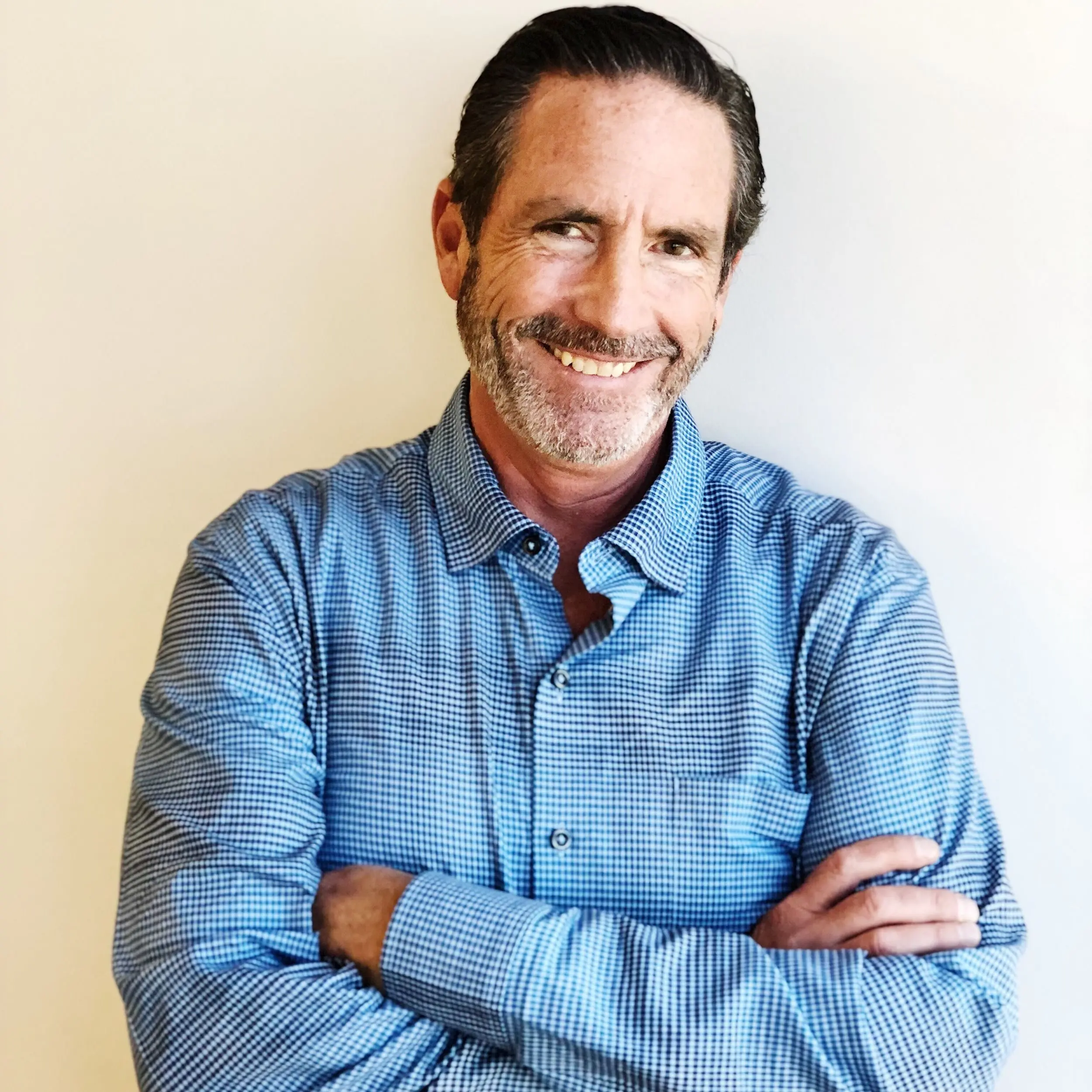

On this Health and Wellness Wednesday edition of Rush to Reason, John Rush explores two major wellness topics that affect everyday life more than most people realize. First, Dr. Keith Cantor joins the show to break down the real causes of hair loss, separating myths from reality and explaining the role of hormones, DHT, stress, nutrition, stem cells, and peptides. The conversation also touches on whether GLP-1 medications can contribute to hair shedding and what people should understand before chasing quick fixes.
Later in the hour, Dr. Julie Gatza dives into the bigger picture of nutrition and digestive health, challenging
SPEAKER 07 :
This is Rush to Reason.
SPEAKER 06 :
You are going to shut your damn yapper and listen for a change because I got you pegged, sweetheart. You want to take the easy way out because you’re scared. And you’re scared because if you try and fail, there’s only you to blame. Let me break this down for you. Life is scary. Get used to it. There are no magical fixes.
SPEAKER 05 :
With your host, John Rush.
SPEAKER 06 :
My advice to you is to do what your parents did. Get a job done. You haven’t made everybody equal. You’ve made them the same, and there’s a big difference.
SPEAKER 08 :
Let me tell you why you’re here. You’re here because you know something. What you know you can’t explain, but you feel it. You’ve felt it your entire life, that there’s something wrong with the world. You don’t know what it is, but it’s there. It is this feeling that has brought you to me.
SPEAKER 06 :
Are you crazy? Am I? Or am I so sane that you just blew your mind?
SPEAKER 03 :
It’s Rush to Reason with your host, John Rush. Presented by Cub Creek Heating and Air Conditioning.
SPEAKER 07 :
I am Hans. And I am Franz. And we just want to pop your ass. Welcome to Health and Wellness Wednesdays on Rush to Reason.
SPEAKER 09 :
Fat, drunk, and stupid is no way to go through life, sir.
SPEAKER 07 :
I have what doctors call a little bit of a weight problem. I used to grab bear claws as a kid, two at a time, and I’d get them lodged right in this region here.
SPEAKER 09 :
Exorcist gives you endorphins. Endorphins make you happy. Happy people just don’t shoot their husbands.
SPEAKER 01 :
Let me tell you something you already know. I’m sorry that I’m fat.
SPEAKER 14 :
Okay, welcome. Another edition of Health and Wellness Wednesday, Rush to Reason, Denver’s Afternoon Rush, KLZ 560. Beautiful day outside. If you haven’t been out to enjoy it yet, you’re missing out. It is absolutely gorgeous. And Colorado weather this time of the year is typically very nice, a little bit warmer than usual, but there’s a cool down coming as well. So anyways, enough of the weather. Question of the day from yesterday. What is the term for programmed cell deaths? What is the term for programmed cell deaths? And I’m going to probably butcher the pronunciation here. It’s A-P-O-P-T-O-S-I-S. Apoptosis? There’s two Ps there, so… Apoptosis. Let me say it correctly. Apoptosis. Cells need to undergo apoptosis for various reasons. During development, apoptosis is essential for changing initial structures into distinct adult systems, such as a tadpole’s tail into a frog’s legs. In adults, it removes cells that pose a threat, like cancer or infected cells, and eliminates normal but unnecessary cells, such as antibody-producing cells, after their purpose is complete. It also eliminates cells that damage DNA, preventing them from dividing and copying errors, and can be triggered by external stimuli like toxins or radiation. The process helps maintain balance between cell production, cell death, and prevents uncontrolled cell growth, which can lead to tumors and other pathological diseases. So that’s something that I’m sure Dr. Kelly knows all about. And just one more proof, in my opinion, that, yeah, we did not evolve. We were created, and that alone right there should be one additional thing proving that. There’s many, but that’s another thing that would actually, in my opinion, prove that. So today’s a possible question of the day. What sacred river throws through the… Varanasi? Varanasi? Varanasi? Why am I saying that? Charlie, where is that? I don’t know where that is. Varanasi. V-A-R-A-N-A-S-I. Varanasi. I don’t know where that is. So what sacred river flows through there? I have no idea because I don’t even know where that is. I’d have to go look that up. I’m trying to learn… Geography. Oh, that’s in India. Thank you, Charlie. Okay, that’s in India. So I’m trying to learn geography better and better and better. We play trivia once a week, and a lot of the trivia questions are on geography, which I’m learning. Some people are really, really, really good at, although it’s a small percentage of people. Most are not, because there’s so much… around the entire world to know every little nook and cranny. And I’m trying my best to continue to learn. I’m one of those weirdos where I will just sit and study the map and look at different things and where different things are at and so on. And it’s even better when you can actually go visit those places. But anyways, geography is, in my opinion, is a lot of fun. I wish I’d have paid more attention to that when I was a kid in school. Okay, first topic today on health and wellness. I’ve got two guests joining us. We’ll talk about hair loss. What causes that? And then Dr. Julie Gatza will join us at 3.30 as well. She’s always a joy to talk to and always learn something new. So here’s an article I got out of Apple News that was published here, oh, about a week ago or so, two weeks actually, and comes from Real Simple. And this one caught my eye. Should you wash new clothes before you wear them? Because this is a health thing, and that’s why I stuck it here in health and wellness. There’s nothing better than slipping into a brand-new outfit – Is there, it says, and while many of you may be very impatient to throw on your new clothes as soon as you get back from the store or as soon as you get that package that arrives at your doorstep, you may also be wondering, is that safe to do so? Fortunately, we have an answer as to whether you need to wash your clothes before you wear them. So I will say this straight up. I’m not that guy. I’m very particular. You guys all know. But no, I’m not somebody that feels the need to go wash my clothes before I wear them. Now, I know certain people, family members even, whereby that’s a very important thing to do, washing the clothes before you actually wear them. Now, for me, I guess I just never really paid much attention to it, never really thought much about it as to whether or not that was a big need. I always felt like, okay, they’re manufactured. They’re about as clean as they’re ever going to get, but evidently I’m wrong. And a lot of clothing is made with, of course, chemicals and things like that that actually, you know, get them to look like they do and or the dyes and all the other things that are in clothes. the actual clothing. And so, especially people, this is what it says, especially people, it says, in general, it’s a good idea to wash your clothes before you wear them, especially if it’s something that you wear close to your skin. And I would also say this, especially if you’re somebody that’s very allergic or you have skin sensitivities everything this article talks about is you should be actually washing your clothes textiles and garments have passed through many hands often in multiple countries even new clothes can be loaded with some stuff that you may not want touching your skin textile products may have stray chemicals from the production process in addition to starches used to keep the clothes crisp while shipping packaging or hanging in the store So that, by the way, is coming from Naomi Kleinman, the chair of the textile surface design department at the Fashion Institute of Technology. If clothes are to be worn close to the skin, which, okay, that one kind of baffles me. I mean, are they talking about baggy type clothes? I mean, doesn’t everything you wear touch your skin unless you wear an undergarment? Like, you know, I wear t-shirts every day and it keeps my dress shirts looking that much nicer and lasting longer, but… Not everybody does that, but you still have areas of your body where you’re going to wear something that’s close to you. So I’m trying to figure out what type of clothing you would ever wear that’s not. I mean, everything’s going to touch your skin, so I’m not sure why that part matters. But if clothes are supposed to be worn close to the skin and have been in the actual store rather than shipping directly from the retailer, there’s also the potential issue of other contamination for people trying on. That’s kind of nasty, actually. Trying on or touching the clothes at the store. Now that I think about this, It’s like, ew, yeah, I don’t know if I’d want to wear that item in that particular scenario. So anyways, is it a good idea to wash your clothes? The bottom line on this particular article and what they’re saying is, yes, there’s really not too many things that you shouldn’t wash before wearing, again, especially if they’re items that are definitely close to your skin. So there you go. Wash your clothes before you wear them. Let’s do this. Veteran Windows and Doors is coming up next. And they want to get you dialed in when it comes to Windows and Doors. They save you money, by the way, by going direct to the source when it comes to Windows and Doors. And you can find them very easily, by the way. Just go to klzradio.com. Look for Dave Bancroft. Veteran Windows and Doors is there.
SPEAKER 03 :
No other window company can match the value for your money you get with veteran windows and doors. In fact, they’re so confident they can’t be beat that they actually encourage you to do your homework first. Get other quotes and compare window ratings, warranties, and installation methods. When you do, you’ll see the difference. We’ll be right back. When it comes to cost versus value, no one comes close to our partner, Veteran Windows and Doors. Connect with Veteran today by going to klzradio.com.
SPEAKER 14 :
Group Insurance Analysts, yes, they have got coverage for everything you need, business, home, auto, classic car insurance, and medical. Give them a call today, e-gia.com.
SPEAKER 04 :
Finding insurance can be confusing and picking the wrong plan can cost you thousands of dollars out of your pocket. You need an independent insurance broker to help you find the best coverage that fits your needs and at the very best premium. Call Paul Linagro at GIA Insurance and his team of independent insurance specialists will help you find the right plan for your needs. As independent brokers, GIA Insurance does not work for any insurance company. They can shop the market and find you the best premium for the coverage that you need. GIA never charges fees, and your premiums will never be any higher than going directly to the insurance companies or buying online. Receive the local hands-on service you don’t get with a call center or online. Whether it is your home, auto, Medicare, life, ACA, health or business insurance, GIA has got you covered. They’ve been doing this as independent brokers since 1984. Call 303-423-0162, extension 100, or go online to e-gia.com.
SPEAKER 05 :
Listen online, klzradio.com. Back to Rush to Reason.
SPEAKER 14 :
Okay, we are back. Rush to Reason, Denver’s Afternoon Rush, KLZ 560. Thanks for joining us today. Health and Wellness Wednesday. Dr. Keith Cantor joining us now. Dr. Cantor, welcome. How are you?
SPEAKER 13 :
Fine. How are you doing, John?
SPEAKER 14 :
I’m very good. You’re a clinic director at Reagan Therapeutics. Talk to us about hair loss.
SPEAKER 13 :
Okay, well, it’s Regen Therapeutics. This office is out of Atlanta. It’s part of a parent company called Bionetics Health, which has several more offices. And we use stem cells to grow hair.
SPEAKER 14 :
Okay, makes sense.
SPEAKER 13 :
And there’s several different methods to help with hair, but we try to cover the whole environment. because there’s a difference between stopping hair loss and growing hair, and we try to do both. So what have you guys found?
SPEAKER 14 :
Because this is one where I think, personally, I think there’s a lot of myths around hair loss and so on, and you’ve probably heard all of them throughout the years. So I guess the question I have, what are some of the myths regarding hair loss and what actually does cause it?
SPEAKER 13 :
Okay, well, the myths, You know, go from anywhere, you know, nutrition, stress causes some hair loss because of the cortisol. So there’s a lot of little reasons for it, but those are usually just triggers. The main reason people lose hair, really 99% of hair loss, is because of testosterone.
SPEAKER 16 :
Okay. Okay.
SPEAKER 13 :
And not to get real science-y, but just for a second, testosterone reacts with an enzyme called redactase and becomes DHT, which most people have heard of. And that just stands for dihydrotestosterone. And when that binds with your hair follicles, it starts shrinking them. Everybody’s born with approximately 100,000 hair follicles. Each hair follicle will give out about five hairs. So when we have a full head of hair, we have approximately 500,000 hairs. When the DHT binds to the hair follicle, you start giving out four hairs and then three. And the fancy name for it is miniaturization. We call it losing our hair or going bald. But that’s what causes most of it. Things like stress could be a key to a good trigger. But that really just makes us more susceptible to the DHT. And those are usually temporary things. Things like putting your hair in tight braids and using curling rollers and bleaching and coloring. That could all cause some hair loss. to fall out or shed, which they call it, which is effluvium. It’s really shedding But the main, main reason is testosterone turning into DHT and shrinking the hair. That’s the main cause of it.
SPEAKER 14 :
Okay, so dumb question on my part. Can that part be changed or reversed? Is that something that happens naturally? Does it happen because of environment? Does it happen because of something that we’re ingesting? Is it age?
SPEAKER 13 :
What happens there? There’s a lot of different triggers for it. that could cause it, like nutrition, like an autoimmune disease, like stress even, because the cortisol blocks off the nutrition going to the roots, because it puts us in that fight-or-flight mode, and it goes somewhere else, you know, to the body, to the organs. But all of that is usually temporary. So the other part is natural. You could be prone to it from genetics. Some old people have a full, full head of hair. I’m 71 and I still have a pretty good head of hair. So some of it has to be triggered. But you can stop the hair loss or at least slow it down. The average person will lose 100 hairs a day. but they gain 100 hairs a day. Wow. The problem is when you have something that triggers it and you start losing, for easy math, 200 hairs a day, but you’re only gaining 100. That doesn’t sound like much because we have 500,000 hairs.
SPEAKER 14 :
But over time.
SPEAKER 13 :
After three years, that’s 100,000 hairs that are gone. So they have things like DHT blockers.
SPEAKER 16 :
Right.
SPEAKER 13 :
And that’ll slow the hair loss down to hopefully below 100. Okay. So then whatever we grow will stay. Because once we fill in the hair, then you’ll grow 100 hairs a day. Sure. And we want to make the hair loss. No more than 100 hairs a day, so you keep a full head of hair.
SPEAKER 14 :
Okay. Another dumb question on my part. On average, and I know this probably varies from person to person, but on average, from the minute hair follicle starts to grow, how much does it grow on a daily, weekly basis?
SPEAKER 13 :
I saw, I think it was about 0.25 to a half of a millimeter.
SPEAKER 14 :
Not quite a bit, actually, if you think about it.
SPEAKER 13 :
Yeah. You know, it grows faster than you think.
SPEAKER 14 :
Yeah, it does, actually. That’s actually a higher number than what I would have anticipated.
SPEAKER 13 :
Well, remember, a millimeter is a thousandth of a meter, so I’m saying a quarter of one thousandth to a half of one thousandth. So it’s not real big, but still, you know, it grows fairly quickly.
SPEAKER 14 :
Mm-hmm. Well, and I mean, that’s why, you know, for folks that are growing hair regularly, that’s why, you know, beauticians and barbershops and so on are in existence, because if you just let it go, eventually it would be so long and mangy that, you know, again, we cut it, and some people cut it on a pretty routine basis because of what you’re saying.
SPEAKER 13 :
Yeah. Most people cut their hair, I would say, approximately every four or five weeks.
SPEAKER 14 :
Yeah, that’s about right. I’d say that. For me, I’m like you, I’m 61, but still have a full head of hair, and that’s about what I do.
SPEAKER 13 :
No, I’m 71. I’m just good looking. Ah, there we go. Good job.
SPEAKER 14 :
Okay, so here’s a question for you, Dr. Cantor. You even said that diet and some things like that can also have an effect upon hair loss and so on. And you see all these, I guess especially at my age, I get all these different ads about, I mean, they must think I’m bald. I’m not. But they must think I am because I get every ad under the sun about, you know, do this, do that, take this, take that. Number one, is there any validity to all of what I consider some of these things that I get in my inbox regularly? I mean, is there any validity to some of the vitamins and pills and therapeutics and so on? I mean, is there any validity to that or is it all smoke and mirrors and guys just trying to make money?
SPEAKER 13 :
Well, there’s a little validity to it. It’s just always exaggerated because of advertising. If you eat a healthy diet, it helps your hair grow because it helps the nutrients go there. The B vitamins are very useful for it. When you have stress, and that could be caused by diet, you have cortisol, and that’s the fight or flight mechanism that we all have. So when we have excess cortisol in our bodies from whatever reason, but usually it’s stress and it can be from diet, what that’ll do is it’ll move the nutrients away from your hair and push it towards your organs because the body’s trying to survive. That’s the survival mode. So it says, okay, I don’t need hair to survive, but I need my regular organs to survive. So it does that on a. microscopic level, and that’ll affect it some.
SPEAKER 14 :
Okay, that makes sense. Diet, you just talked about that a moment ago, and this is another one where I hear all different, you know, opinions, I guess you could say, of doing health and wellness here during this hour for, gosh, Dr. Cantor, at least a decade now, and again, I’ve heard all sorts of things along these lines, especially when it comes to diet. Again, is that something where there really is something to it? The more nutritionally we eat, the better we eat, and so on, does that help when it comes to our hair?
SPEAKER 13 :
Yes. For instance, you need protein because collagen comes from protein and collagen is used in our hair. So things like that will help. B12 or the vitamin B, the spectrum of vitamin Bs, especially B12, are important. But It’s very rarely that because of what you eat, you’re losing your hair. It’s almost always your hormones, testosterone.
SPEAKER 14 :
Okay. Okay. Makes total sense. Now, for folks that have, and I’ve known individuals where they’ve lost a significant amount of hair, they look at doing everything from wearing, you know, toupees or wigs or hair plugs even. They get, you know, transplants and so on. When it comes to the transplant end of things, is that effective? And the question I have is if you don’t have the things you’re talking about right now straightened out, will those transplants and quote-unquote plugs even work?
SPEAKER 13 :
Okay. I don’t do transplants, but let me explain. Hair transplants do work if they’re done properly.
SPEAKER 16 :
Okay.
SPEAKER 13 :
The problem with them is, number one, they’re very expensive in the United States.
SPEAKER 16 :
Okay.
SPEAKER 13 :
like $13,000 to $25,000 range. Wow, okay. And it hurts.
SPEAKER 14 :
Yeah, it looks like it.
SPEAKER 13 :
You’re taking hair usually from the back of your head, and they’re cutting either little squares or little circles or even strips, and they’re cutting deep enough to get to the roots of the hair, and then they’re transplanting it to the places where you’re thin. And you’re not talking about 10 little transplants or 100 transplants. You’re talking… thousands of transplants, so you have a lot of downtime. But it does work. The problem I found is for some reason, the places that do hair transplants, most of them at least, don’t teach the people that they have to use a DHT blocker forever. So a large percentage of the people that get a hair transplant that aren’t using DHT blockers have to get a second one within 10 years. Because they still have that gap between what they’re losing and what they’re gaining, and all they would have… A hair transplant would be permanent, but people use regular DHC blockers, which you can buy online, literally. Just make sure it’s a good one.
SPEAKER 14 :
Makes sense. I’ve got a text line, I’ve got questions coming in. Somebody asked, is there any validity also to, you know, a lot of folks now to lose weight are on some sort of a GLP, 1, 2, or 3, depending upon what their doctor recommends and so on. And some people will claim that that is another avenue for hair loss. Is that true or is that another myth?
SPEAKER 13 :
No, it’s not a myth. It could aggravate it, but it’s only temporary.
SPEAKER 14 :
Okay.
SPEAKER 13 :
Or it should only be temporary. But, yeah, it does do it because, again, your body’s under stress when that’s happening because you’re changing the chemistry in the body and the body knows you’re changing it.
SPEAKER 14 :
Okay. Now, is part of that because typically people that do GLPs, they’ve also hopefully changed their diet. They’re not eating the same things they once were. Hopefully they’re eating better than they were, but you know how that is. Sometimes they just eat less and maybe don’t eat any better than they were prior. To your point, just causing them more added stress, right?
SPEAKER 13 :
That’s correct. And they tend to eat a lot less. So if they don’t take nutrients at the same time, like vitamin B, vitamin D, magnesium, because that’s the biggest shortages that we have in our diet now. And if you cut way back, because you’re not hungry anymore.
SPEAKER 14 :
Right, good point. That’ll cause… So in essence, it’s not the GLPs per se, it’s the side effects or the byproduct of having them and what you’re doing to your body that then causes the hair loss.
SPEAKER 13 :
That’s correct. I believe a good, well, I shouldn’t say that. I believe a doctor that really knows what he’s doing with those things usually adds a B vitamin. Sometimes a B vitamin shot or they’re in the shot themselves. to have some B vitamins to help with that.
SPEAKER 14 :
Okay. One last question. By the way, very informative, Dr. Keith. I appreciate this greatly. I know there’s people listening that are probably struggling with some of this and have no idea where to go.
SPEAKER 13 :
One question I’d like to ask before you go off is ask about stem cells because that’s what I do.
SPEAKER 14 :
I was going to ask about that and then also peptides. So start with stem cells. Let’s do that first.
SPEAKER 13 :
Okay. Stem cells are the cells like when you’re first having a baby and – The sperm and the egg get together and it starts multiplying. Those are all stem cells. Then after there’s enough of them, the DNA from the sperm and from the egg starts telling those cells what to do and what to become. Right. Those are stem cells. Okay, stem cells, within reason, could do almost anything, and they can become anything.
SPEAKER 16 :
Okay.
SPEAKER 13 :
You know, as long as they’re directed by DNA.
SPEAKER 16 :
Right.
SPEAKER 13 :
To do it, or messenger RNA, really.
SPEAKER 14 :
Right.
SPEAKER 13 :
So I use stem cells that I get from the umbilical cord.
SPEAKER 14 :
Believe it or not, we have a doctor. This might surprise you. We actually have a doctor that’s a sponsor that does exactly the same thing you’re talking about, not for the hair end of things, but just overall health and so on, and he does exactly the same thing you’re doing and has explained why you use the umbilical cord versus other stem cells.
SPEAKER 13 :
Well, it’s a much higher percentage of stem cells in it than getting it from the adipose tissue like the fat in your back or the bone marrow. And he may do it also. I have all the red blood cells taken out, so you don’t have to match blood.
SPEAKER 14 :
Same thing he does. Absolutely. Yep, you’re 100%. Yeah, I’ve learned a lot along those lines, and it’s very interesting. And the one thing we’ve learned, or I learned from him is, and most people wouldn’t think this, they think those are baby stem cells. But when that baby’s born and delivered in the umbilical cord at that point, they’re adult stem cells, right?
SPEAKER 13 :
Well, they’re regular stem cells. There’s really no such thing as a baby stem cell. Yeah, good point. A stem cell is just a cell that hasn’t been told what to do yet.
SPEAKER 14 :
There you go. They’re mature, I guess, is the way to say that then.
SPEAKER 13 :
Yeah.
SPEAKER 14 :
Yeah. Okay, that makes sense. Okay, so peptides. That’s another thing that is becoming a bigger and bigger deal. People are learning more about them and the benefits of. There’s still a lot of… I guess you could say, you know, things to be determined. FDA, I think in some ways frowns on them because they don’t have their fingers in it like they do the medical world when it comes to big pharma and so on. Is there any validity to peptides helping, you know, certain peptides helping with hair growth?
SPEAKER 13 :
Yes, they’re usually copper-based, and they help. It’s a very good growth factor. I don’t use them unless I need it. I just use the stem cells, and with the stem cells comes something called exosomes, which is the growth factor that’s secreted by the stem cells. But if I need it, because I guarantee results… I’ll do a peptide treatment.
SPEAKER 14 :
Okay. All right. So there is some validity to that end of things as well, depending upon the course of action needed for that particular patient.
SPEAKER 13 :
Here’s the key to it, or the caveats. Like in my case, and I’m sure there’s other, I guarantee results with one caveat. There has to be some hair follicles there because that’s what the stem cells will do. They’ll strengthen them. They’ll build capillaries on them. They’ll make five hairs come out again instead of one or two. But if it’s shiny, bald, you can’t use it. Stem cells won’t grow that.
SPEAKER 14 :
If folks want to know more about you and even have you treat them, how do they do that, Dr. Cantor?
SPEAKER 13 :
Well, first of all, I’m in Atlanta. I’ve never had anybody have me travel. No, but there’s airplanes. They can travel to you. But we’re Regen Therapeutics. I could give you a phone number here. Yeah, that’s fine.
SPEAKER 14 :
Don’t do that. I’m going to put that in my notes. Give me a phone number.
SPEAKER 13 :
404-907-4225. And the email is contact… at Regen Therapeutics. Atlanta.com, and if you need me to spell it, I gladly will.
SPEAKER 14 :
I’ve got it all here, and I will make that work. That’s perfect. Number one, this has been very informative, and like I said, we’ve got, I’m sure, as there is in any audience, there’s folks out there that have, in some cases, maybe struggled for years with some of what you’re talking about today, and this is fabulous information. I don’t know in the 10-plus years I’ve done this particular hour we’ve ever talked about hair loss in this way, so I appreciate this greatly.
SPEAKER 13 :
And if any of your listeners have questions, make that email address available to them.
SPEAKER 14 :
Okay, we’ll do that.
SPEAKER 13 :
And I don’t think I’ll get a zillion, but I’ll answer them personally.
SPEAKER 14 :
Okay.
SPEAKER 13 :
And if I really get that many of them, I don’t know, I’ll tell my PR guy to tell you that it’s taken me longer than I thought. That’s all right. But otherwise, I’ll answer them quickly.
SPEAKER 14 :
Dr. Keith, again, thank you so much. I appreciate all of you listening. Dr. Keith Cantor, and again, Regen Therapeutics, Atlanta. And if you guys have any questions, please, I can give his phone number out. I can give his email as well. Again, Dr. Cantor, thank you so much. It’s been really informative. You’re welcome anytime. I appreciate it.
SPEAKER 13 :
Thanks a lot, John. I really appreciate it. Appreciate it.
SPEAKER 14 :
You’re very welcome. I appreciate it as well. And, yeah, any of you that may be struggling in that area, please let me know. I can refer you to him. And you can also talk to Dr. Scott when it comes to the stem cell end of things and ask him his thoughts on all of that as well because he can do that here locally as well. Ridgeline Auto Brokers coming up next. They want to help you with your new used car purchase. Anything you need, good inventory right now. You can shop online, RidgelineAutoBrokers.com.
SPEAKER 04 :
Looking for the right car at the right price? Ridgeline Auto Brokers makes it easy. They specialize in quality vehicles priced between $15,000 and $25,000. Perfect for first-time drivers, families, or anyone who wants real value without the hassle. Every vehicle is thoroughly inspected by Legacy Automotive, a trusted drive radio sponsor. That means you can buy with confidence knowing your next ride is ready for the road. No dealer fees. Competitive financing and trades are welcomed. A 30-day warranty on every vehicle and your first oil change is just $1. Explore detailed videos of every car at RidgelineAutobrokers.com before you visit. Ridgeline also has a great consignment program to assist you in the sale of your car, truck, or SUV. So if you’re ready to buy, trade, or sell your vehicle, call 303-442-4141 or visit RidgelineAutobrokers.com. Ridgeline Auto Brokers, the right car, the right price, right now.
SPEAKER 14 :
All right, Paul Leuenberger, he is my insurance broker, and he would love to help you with all of your insurance needs as well. And again, he can do everything from home, auto, classic cars, you name it. Paul can help you out with all of your insurance needs. Call him today, 303-662-0789.
SPEAKER 11 :
Even in the age of AI, looking for the right insurance can be a huge hassle. Paul Leuenberger has you covered without the hassle. He works with the best in the business. Hartford, Travelers, Safeco, Liberty Mutual, Nationwide, Allstate, AIG, Chubb, Pure, Berkeley, Grundy, Hagerty, and more. He’s local, independent, and licensed in Wyoming, Colorado, Arizona, Nevada, and Texas. and he’s expanding into more states soon. Paul’s mission is simple, to find the right coverage at the best value and to treat every client like family. So whether you’re shopping for home, auto, or something more unique, don’t shop online. Call Paul at 303-662-0789 today. That’s 303-662-0789. Paul Leuenberger, insurance made easy.
SPEAKER 05 :
This isn’t rage radio. This is real, relatable radio. Back to Rush to Reason.
SPEAKER 14 :
And Denver’s Afternoon Rush, KLZ 560 on this Health and Wellness Wednesday. And again, yeah, if you need any information on our last guest when it comes to hair problems, losing hair, growth and all that, please let me know and I can pass that information along to you. I’d be more than happy to do so. Charlie’s rounding up Dr. Julie. I believe we’re going to try to get her on with us. Dr. Julie Gatza, who’s with us on a pretty routine basis. and again not an expert in hair growth although i think she would tell you that everything our last doctor said regarding your health and your nutrition and eating correctly and all of that we talk about that on a very routine basis and i know i know very well that she would uh chime in with what he’s talking about especially especially when And we’re going to talk about this, the toxic burden that’s there. And, yeah, all of us can experience that. And there’s lots of things going on in our body. And, yeah, bottom line, take care of ourselves. Dr. Julie joining us now. Dr. Julie, welcome. How are you?
SPEAKER 12 :
I’m good. Nice to hear your voice.
SPEAKER 14 :
Always a joy. I enjoy it very much. All right. I just told everybody a moment ago, we actually had our last guest on. We were talking about hair loss. He specializes in helping people with that and what they need to do. Number one is making sure diet is good and all the things that you and I talk about on a regular basis. He was very adamant about, which I’m sure you could only imagine has a lot to do with how healthy we are, including our hair. But one of the things I just mentioned a moment ago is, you know, we’ve got this toxic food environment, not to dovetail directly into nutrition, our last guest, but that can’t be good for hair growth and other things we have going on in our body.
SPEAKER 12 :
No, everything is suppressed and not working efficiently. And what efficiently means is you don’t have any attention on your body. It means you wake up every day, you think about your digestion once, that’s it. You never put attention on it. You don’t think about your skin and your hormones and your pain in the joints or your nothing because it’s working efficiently. And because we have such a toxic environment, our food is altered, our seeds are altered, and the way we make things is altered. We now have food that’s less than efficient to get into our system. you know, devoid of nutrients and the ability to get into the cells. So we’re walking around sort of skeleton crew of what we should be as far as health.
SPEAKER 14 :
Which he just, our last guest talked about when it comes to hair loss, not having proper vitamins and so on. You know, some of it I know can be genetics when it comes to hair loss and so on. But I also feel like, Dr. Julie, what you just said can contribute to not only that, but so many other things. And you and I talk about it on a routine basis. And I have to remind myself, not everybody listens every single hour, every single week. And here’s what you and I say. So I know sometimes I feel like, you know, we repeat ourselves, but we need to because this message is important.
SPEAKER 12 :
Well, the thing about it is bodies haven’t changed. Our computers and everything around our world is changing, but we still have the same bodies we had 2,000 years ago. Very true. So they still perform with the same principles, the same food sources, and they’ll react the same way with toxins and also good nutrition and vitamins and things like that. So that’s not changed, and people, I think, think that we can withstand a heck of a lot more than what we are able to.
SPEAKER 14 :
All right, so here’s a question for you, and something that I don’t know if we’ve ever really directly talked about this, but your comment a moment ago about how we wake up in the mornings, and this is kind of what people do. So the question I have for you is, and I know that to eat right and be healthy and do the things necessary, yes, there has to be some effort put into that, and you have to create a lifestyle and habits around that, although I know for a lot of people, Most. Most people. I mean, I can almost say probably 90% of people, when they’re going to make a change, it’s a very difficult thing to do because you’re changing habits, and that’s never an easy thing to do, as we know. I mean, it doesn’t matter whether you want to quit smoking, whether you want to start exercising, lose weight, whatever. There’s all these things you have to do habit-wise to make that happen. So my question is, How do we get into these good habits of eating right, being healthy, and remembering things and not make it such a chore? Because I think some people look at this and say, man, guys, you guys talk about this a lot. And, man, everything you talk about, I just want to go and live life and enjoy my life. Now, I look at that and say, well, so do I. That’s why I want to do these things.
SPEAKER 12 :
That’s right. I mean, I have the same viewpoints, and I do understand both. I think the best thing that somebody can do is start in the morning. Start by waking up in the morning drinking two big glasses of water. Just start there. It will start to hydrate your body. You’ll have from resting states in your system. You’ll now start to hydrate, get the cells going. And that’s before you drink a coffee or do anything else. And then when you do make a breakfast choice, eat only protein. If you want to throw some vegetables in, fine. But stay away from the American, quote unquote, breakfast. The cereals, the pancakes, the bread, the scones, the this. Those things aren’t breakfast. That’s just filler food. So if you start with water in the morning and protein, that does set you up for the rest of the day to make other good choices. It’s just really hard when you start in the morning by either skipping breakfast or eating something that spikes your blood sugar like cereal or even giving it to your kids. I mean, that is not food that they can pay attention to and learn correctly in school when you’re feeding them cereal.
SPEAKER 14 :
Well, and we know from the kids’ side of things that it also, to your point, spikes things. They get there. They then get tired after they’ve been there. It doesn’t help them study and do the things they need to do to even be attentive. It’s just – and yet we’ve got this entire – and I have to remind everybody, this entire food industry – and I have to remind everybody that that food industry, not all, but for the most part, is owned now by the tobacco companies who knew very well how to get a people – addicted to something way back when and all they did was switch from one product to another when they knew they couldn’t sell what they were selling originally they just shifted gears and i’m not saying that derogatorily speaking dr julie it just is what it is and we need to know that and understand that’s what’s in front of us i yeah it’s it’s so true and it’s so much easier to you know put a bowl in the front of your child and throw some cereal in it and put some milk on it but
SPEAKER 12 :
you know you are doing them a disservice they don’t know better they then get their taste buds worked towards that and can’t understand why now you’ve switched over to eggs and maybe chicken from last night in the morning i mean we’re really the only country that eats this sort of strange food for breakfast and it’s not food i call it unfood and unfood means it doesn’t have the uh minerals and the nutrients and the enzymes and the fats and things in it that actually sustain the system food is actually food that has those things and unfood takes them from our bodies so the cereal takes more from you than it actually would give you
SPEAKER 14 :
And what you said a moment ago, something that I didn’t know growing up, I didn’t really know until doing this program in this hour, especially that, yeah, there’s a lot of places in the world where they don’t have this quote unquote American breakfast. In fact, they go to other countries. They call it that because we do it differently here than most. I mean, in a lot of places, as you know, Dr. Julie, they just eat what they had last night.
SPEAKER 12 :
That’s exactly. I mean, it’s wonderful. I do the same. And, you know, I don’t eat breakfast food for breakfast. And, you know, it just seems normal to do that because it’s already cooked from last night. Why not have the same thing?
SPEAKER 14 :
Right. And again, and by the way, for everybody listening, I am not saying if you want to have a couple of. you know, scrambled eggs or boiled eggs in the morning or do whatever you want to poached eggs are one of my favorite. I mean, I’m not saying you can’t do that, Dr. Julie, but I think the important thing here to remember is, you know, eat real food, not the stuff coming out of a box, if you would.
SPEAKER 12 :
That’s right. And on top of it, we don’t make enough digestive enzymes to break down the regular good food that we are eating. So when you’re putting in other sources of food, which isn’t really food, you’re asking your system to break that down and not only try to get nutrition from it, but then push the toxins out of the body that this should all be happening normally. And Because we don’t make enough digestive enzymes for years and years, I’ve been pushing my patients to take high quality digestive enzymes from a pill source because it helps them break down the food whether they’re eating good or if they’re making bad choices, it also helps to break down the bad food and push it out of the system.
SPEAKER 14 :
All right, let’s talk about that for a moment. I know I can’t continue to talk about this product. I’ve had numerous people ask me about the product. I endorse the product constantly. I don’t do that very often with products, but this is a product that I do. And no, everybody listening, please, I am not paid. to do this. And yet in my own briefcase here, Dr. Julie, I probably have 15 pills or so that I keep in a baggie that I have with me at all times, just in case. You never know what happens during the day. And I’ve been known to take some of those during the day, depending upon just how I feel or what’s going on. And I always take one before I go to bed at night. So for those of you listening, number one, Dr. Julie, what is this product? How does it work?
SPEAKER 12 :
So it’s called AbsorbAid. It’s an all-vegan formula. So it’s formulated from plants and animals and fruits and vegetables. Sorry, not animals. And what happens is it is digestive aids that help you break down proteins. It breaks down carbohydrates. It breaks down fats. It breaks down even dairy products. Because it has such a good job of breaking down these types of foods, it actually has been studied and marked that it increases your absorption by 71%. So you can give it to kids, your dogs. You can give it to elderly. You can take it when you’re eating a normal meal and you are a healthy person. You’ll get more from that meal. You can take it if you’re eating poorly and you want to help your body just from that. You can also take it if you’ve got… digestive problems from stomach aches to heartburn, acid reflux, constipation, diarrhea, burping, gas, all those things are abnormal symptoms digestively, and AbsorbAid will aid in all of this.
SPEAKER 14 :
Yeah, and for all of you listening, easy to get a hold of. Let folks know how you can do that, Dr. Julie.
SPEAKER 12 :
So they can go to the website, which is naturesources.com, and they have the ability to get free samples on that website or 20% off your first order. Or you can go to the 1-800 number and use the code RADIO, and that phone number is 1-800-827-7000. 7-6-5-6. Same thing. Some free samples or 20% off your first order. They make it so easy for you to actually see if this actually works. So I always say, you know, you can learn all these things and read the next thing and follow all these people on Instagram or wherever you want to do. But until you do something about it, you’re just… more educated.
SPEAKER 14 :
I agree. And again, folks, I use it, and no, I’m not paid. I don’t get product free. I buy my own product. It works fabulous, and I cannot say enough about it. It really does work extremely well. I’ve even got friends and family using it now, Dr. Julie as well, because I believe in it enough. It just works really well. So I will continue to spread the word. Okay, now here’s something that’s in my notes. And I was thinking about this as well, so it just coincides with my thought process. Okay, we’re busy. We’re rolling along. We didn’t have a chance to eat that morning, so you know what? That old fast food drive-up lane looks pretty enticing, so we slip on in and we get that whatever it is, egg McMuffin or chicken sandwich or whatever is on the flavor of the day at that point in time or the bagel and cream cheese or whatever it happens to be. Are we committing nutritional suicide by doing so? Yes.
SPEAKER 12 :
Yes. I mean, once you do that, it just makes it easy to do it the next time you’re in a hurry.
SPEAKER 14 :
It does.
SPEAKER 12 :
And it’s just, you know, and would I do that to my kid? I absolutely wouldn’t do that to my kid. I told her that bad kids went to McDonald’s. And when she was in trouble, we threatened her to take her to McDonald’s. So we trained her to know that McDonald’s was for only bad kids who were in trouble. And, you know, as silly as that is, she’s now almost 30 years old and giggles about the fact that she’s never had a McDonald’s hamburger. And, you know, none of us really see the fast foods out there because that’s never been an option. If she was hungry, we would stop by the grocery store and pick up, you know, a rotisserie chicken of all things. And, you know, that’s… as simple and cheaper, really.
SPEAKER 14 :
Yeah, no, exactly. And I like what you said a moment ago. Again, going back to the whole, we have to form new habits. We want to try to make things easier and so on. And I get it. Going through the drive-up is somewhat easy, although it seems like every single time I do that, don’t do it very, very often. Every now and then I’ll treat myself to something that I don’t know what that would be because I don’t go that often, Dr. Julie. But, you know, maybe, I don’t know, once in a blue moon, I’ll actually go to a fast food restaurant like that. And, you know, it’s never fast either. For all of you that think that’s really convenient for me, it never is. I think I could actually cook eggs on the stove faster than I can go to the fast food drive up. And I’m not exaggerating.
SPEAKER 12 :
I know. And plus, it is not inexpensive anymore. So, you know, I’m an original Chicagoan. There’s something called an Italian beef. I will go and seek that out. But boy, oh boy, ching ching. I had no idea because I don’t eat fast food. how expensive it is to actually eat fast food. So you are truly better taking the time, putting the 20 minutes into cooking something, if nothing more, opening a can of tuna and mixing a little something with it that’s cheaper and better for you. And it takes about as much time, if not less.
SPEAKER 14 :
Yeah, and again, folks listening, what we’re talking about, Dr. Julie, is how do we change our habits into doing things that are more healthy on a daily basis? And for a lot of you listening, and believe me when I say this too, I want to make sure that I get this in. I think, Dr. Julia, there’s a lot of folks, especially beginning of the year, you know, we’re going to go ahead and start working out. We’re going to go to the gym. We’re going to do this. We’re going to do that. Which, by the way, I’m not against. I think all of those things are great. We should be doing those things, keep active, keep moving, and so on. I fully think we should do that. But if you’re not going to change your habits when it comes to eating, and by going to the gym you think, oh, well, I can just go now and have that Dairy Queen on my way home, you’re defeating the purpose of what you just did.
SPEAKER 12 :
Yeah, it’s so true. I mean, it’s so, so true. And as you’re talking, I was thinking about the fact of one of the things that makes this easier is if you do meal prep. And to me, that means you cook for like 10 people on Sunday, chicken. And then you lay out your containers and you put in the chicken and maybe the side of beans and maybe a salad also in that same container. And you have seven or eight meals. And I tell you, it’s a heck of a lot easier to eat healthy when you’ve got all that meal sitting in the refrigerator. You don’t want to waste the money. Right. Grab it. And within five days, you’ll see that you actually have eaten so much healthier just because you changed one habit on Sunday and ate a lot of extra food.
SPEAKER 14 :
That’s right. When I lost all of my weight, I did tons of meal prep on Sundays. I don’t do as much as I used to because I’ve got other ways of doing things now. But at that point in time, the only way I could lose weight was to not eat anything. anywhere else other than what I had made on that particular day. And that’s what we did. And it worked. And so you’re exactly right when it comes to especially those of you looking to really be regimented when it comes to eating what you should to lose weight. That’s, in my opinion, the only way to do it. Talk to us about and I know we’ve done this in the past. So those of you that have heard this, that’s OK. Bear with us here. But for me, it’s always a fresh reminder. Talk about the supportive foods and herbs as well.
SPEAKER 12 :
So as far as that goes, you know, with all these ethnicities that came into this country also came their ideas of how to digest and break down the food. So the Germans brought the sauerkraut. Koreans brought the kimchi. We have the pickles and the fermented food and the kosla. So There’s all these different aids that you can use towards breaking down your food. There’s ginger and turmeric and even some of the hotter spicy peppers. People have a tendency to overdo it, but it does increase circulation to digestion. So you can find that all these things, parsley that are on the sides of the plate, they are aids in digestion. Lemon in the morning is helpful. And if you start incorporating some of these natural remedies, you’ll find that once again, you’re not as hungry, you’re breaking down your food, you’re more satisfied. Partly what happens is we’re not breaking down these foods, so we’re constantly hungry because we’re not getting nutrients. So we’re eating volume, but we’re not getting actual quality from the foods, so we’re always hungry, looking for the next thing, and then we go into the sugar spikes, and boy, you need alcohol, or you need more massive food, or you just can’t be satisfied because your appetite’s bigger than the next person. Well, generally, you’re starving. You’re malnourished and starving. And this is why those digestive aids naturally are so important. This is why taking something like the Absorb Aid is super important because it does satisfy hunger by getting nutrients in.
SPEAKER 14 :
Well said. And you are the co-founder of Florida Wellness Institute. If folks want to find you, how do they do that?
SPEAKER 12 :
They can go to the Instagram, which is Florida Wellness Institute.
SPEAKER 14 :
Awesome. Dr. Julie, always a joy. I learn something every time you’re on, and I appreciate it greatly.
SPEAKER 12 :
Thank you. Me too. Appreciate you.
SPEAKER 14 :
You bet. Have a great afternoon and evening. And she’s in Florida, so I should say evening because it’s already close to 6 o’clock there now. So Dr. Scott up next. And again, when it comes to living your best life, being as healthy as possible, call Scott today. He’d love to help you out. 303-663-6990.
SPEAKER 02 :
What if you could get over 110 lab biomarkers tested, just like Dr. Mark Hyman advertises, but for a fraction of the cost and with a doctor who actually explains the results? At Castle Rock Regenerative Health, Dr. Scott Faulkner has recreated this powerful biomarker test panel at a substantial savings. We have a special price for both men and women today. Just $689. That’s a savings of over $2,500 over the standard price. And here’s the difference. With Hyman, you get numbers on a page. With Castle Rock Regenerative Health, you get Dr. Faulkner and his team walking you through every result, showing what’s off and creating a personalized plan to fix it. What’s even better, you don’t even have to be a concierge patient to get this pricing. This is open to everyone. Think about it. Most people’s deductible is higher than this special price. And your regular doctor, if he could get approved by your insurance, would never order this many tests, let alone know what to do with them. Call 303-663-6990 today or visit CastleRockRegenerativeHealth.com. Take control of your health at Castle Rock Regenerative Health.
SPEAKER 14 :
All right, folks, make that roof of yours last longer. Save money on insurance. Your deductibles are going up. I can promise you that. Find out how the RoofMax product would save you money in the long run, and Dave can help you with the financing of, if you need that, 303-710-6916.
SPEAKER 10 :
With material prices still high and supply chains stretched, homeowners are looking for smarter ways to protect their biggest investment, their home. Replacing a roof can be costly, but a roof restoration offers you a better budget-friendly option. At Roof Savers of Colorado, we treat aging roofs with RoofMax, a bio-friendly formula that restores flexibility, extends life, and saves homeowners thousands. And if a roof does need to be replaced we handle the full job from new roofs and storm damage to siding and gutters this winter make smart spending part of your home’s protection plan call 303-710-6916 or visit roofsavers.com for your free winter roof assessment roof savers of colorado value protection and peace of mind for colorado homeowners
SPEAKER 14 :
Cub Creek Heating and Air Conditioning, yeah, we’re at that time of the year where, yes, you’re definitely going to be using your air conditioner, if not now, in the not-too-distant future. If you need any help with that at all, want it serviced, or you want an upgrade, whatever the case, give Cub Creek a call. You can make an appointment online on their website by going to our website, klzradio.com.
SPEAKER 03 :
Cub Creek Heating and Air Conditioning is the HVAC company KLZ Radio trusts. And that’s because we know from experience that Cub Creek Heating and AC is built around integrity and craftsmanship. When Hunter and his team show up at your home, they’re not looking for ways to sell you something you don’t need. They are there simply to solve the problem that you called about. nothing else. Hunter is constantly studying changes in his industry, new technology, new equipment, new regulations to make sure that you get the right HVAC solution at the best price. And that matters today because we’ve all heard the stories about companies that walk into a house already looking for the upsell. That’s not Cub Creek. They’re honest. They have integrity. They fix only what needs fixing and give you straightforward advice you can trust. And they sleep well at night knowing they treated people right. KLZ is proud to partner with Cub Creek. And when you hire them, you’ll see why. Find out more about Cub Creek Heating and AC on the klzradio.com advertisers page.
SPEAKER 05 :
Suck it up, buttercup. Back to Rush to Reason.
SPEAKER 14 :
Okay, Health and Wellness Wednesday wrapping things up. And we appreciate, number one, all of you listening. And thank you for even some of the questions that come in and the different things that you guys talk about and or suggest we talk about. I appreciate that greatly. And if there’s ever a topic you want to know more about, I will do my best to find a guest and have them on and talk about that. So you can always send me a text message, 307. 200-8222. You can also go to the website, RushToReason.com. That’s T-O, RushToReason.com. Just fill out the contact form there, and I’ll do my best, again, to find whatever that is you’re looking for, that subject matter. And got lots of different contacts in this health and wellness world now, and typically have a lot more inquiries than we have space to even have most on. So if there’s something you’re ever interested in, please, by all means, let me know. That’s it for this health and wellness edition. Rush to Reason, Denver’s Afternoon Rush, KLZ 560.
SPEAKER 1 :
Thank you. Rich guy, rich guy, rich guy.