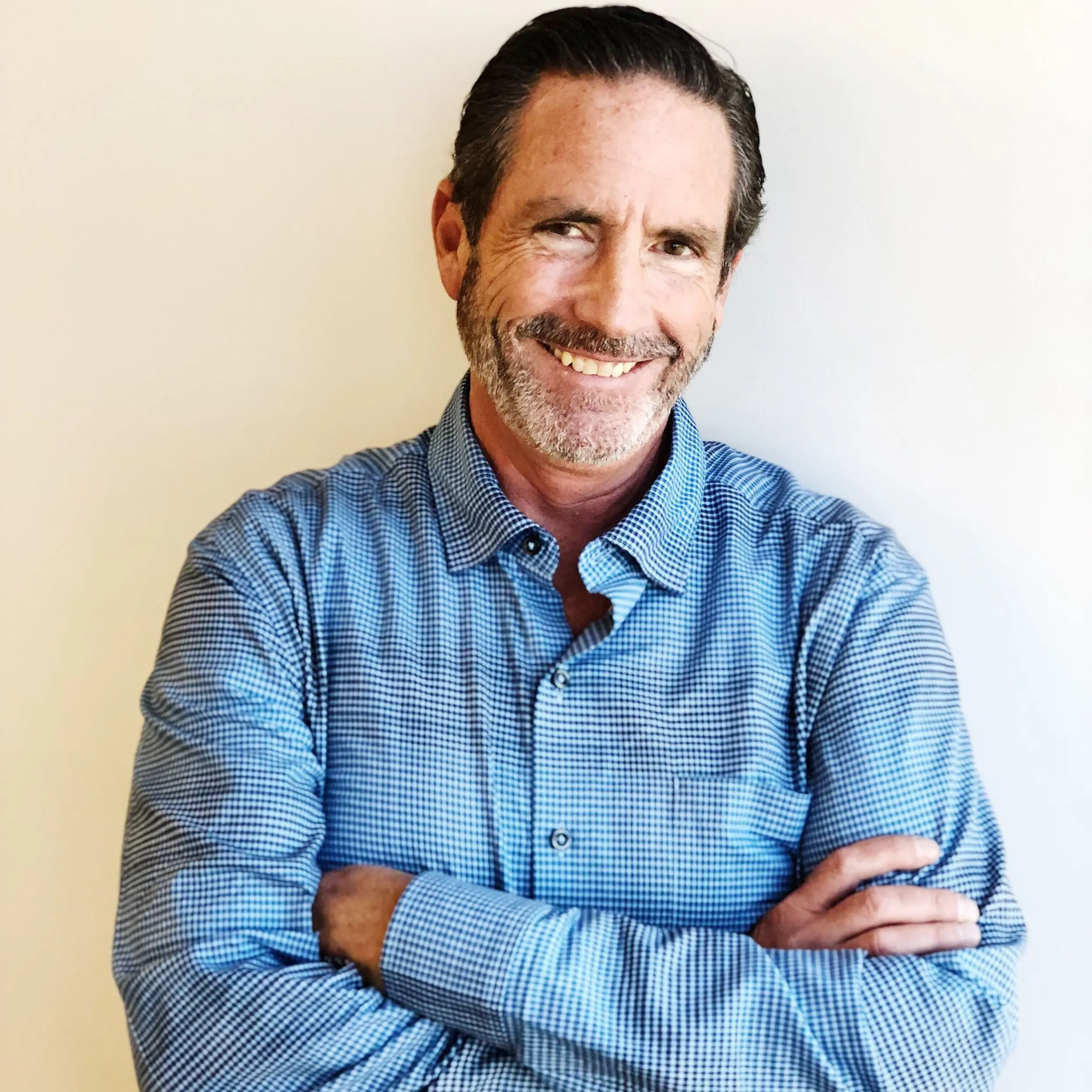

In this wide-ranging hour of Rush to Reason, John Rush, Andy Peth, and financial expert Jordan Goodman examine the economic and geopolitical fallout surrounding the Iran conflict, global oil markets, Federal Reserve policy, and America’s growing role as a global energy supplier. The conversation explores how instability in the Strait of Hormuz, rising fuel prices, and disrupted oil production are impacting inflation, transportation costs, airlines, and global markets.
The hosts debate whether Iran’s leadership will ultimately collapse under economic pressure and discuss how world powers, oil-producing nations, and U.S. political interests are all connected to the ongoing conflict. Jordan Goodman
SPEAKER 13 :
This is Rush to Reason.
SPEAKER 05 :
You are going to shut your damn yapper and listen for a change because I got you pegged, sweetheart. You want to take the easy way out because you’re scared. And you’re scared because if you try and fail, there’s only you to blame. Let me break this down for you. Life is scary. Get used to it. There are no magical fixes.
SPEAKER 12 :
With your host, John Rush.
SPEAKER 05 :
My advice to you is to do what your parents did. Get a job, sir. You haven’t made everybody equal. You’ve made them the same, and there’s a big difference.
SPEAKER 06 :
Let me tell you why you’re here. You’re here because you know something. What you know, you can’t explain. But you feel it. You’ve felt it your entire life. That there’s something wrong with the world. You don’t know what it is, but it’s there. It is this feeling that has brought you to me.
SPEAKER 05 :
Are you crazy? Am I? Or am I so sane that you just blew your mind?
SPEAKER 13 :
It’s Rush to Reason with your host, John Rush. Presented by Cub Creek Heating and Air Conditioning.
SPEAKER 11 :
Okay, welcome. Tuesday edition, Rush to Reason. Denver’s Afternoon Rush, KLZ 560. Myself, Andy Payton. How’s Andy today? Andy’s doing well, sir. Very well. Charlie Grimes, our engineer. Jordan Goodman with us starting things off today. America’s Money Answer Man. Jordan, how are you today?
SPEAKER 09 :
Great to be with you. We haven’t hit World War III quite yet. We’re getting there, but we’re not quite there yet.
SPEAKER 11 :
Yeah, we’re a long way from that. World War III. Yeah. We’re a long way from that.
SPEAKER 04 :
Yeah, I don’t think so.
SPEAKER 11 :
Well, and there’s a deadlock, as we know, which I’m not shocked at, Jordan. The Iranians and those that, you know, whoever claims to be in charge, and I think that changes from day to day, yeah, they’re not going to cave. You know, they think that they’re right and that they’ve got all the power in this particular environment, and the reality is they don’t.
SPEAKER 09 :
Right, but they don’t realize that. So they made a decision. to put forward a proposal which they knew was going to get rejected. Of course. And they could have done something different and then try to go halfway or make some kind of a compromise, but they didn’t at all. And so, you know, what do they think was going to happen when they proposed reparations? They control Strait of Hormuz, $120 billion up there, having overseas frozen, unfrozen, lifting of all sanctions before they start talking about nuclear. I don’t think that’s going to work too well, right?
SPEAKER 04 :
Well, Jordan, we have to keep in mind, and I’m dead serious about this. I’m not kidding. They have people in their ears all over the world begging them to hold out, begging them to hold it out. And I mean, anybody who hates America, anybody who either wants to kill or rob America in any way, shape or form wants them to hold out for one reason, because it helps Democrats. And I’m sorry to get political, but I’m honest. And the more this is pushed into political season, the more this is pushed toward the midterms, the more it helps Democrats. Helping Democrats helps every enemy nation, every enemy power. It helps all terrorists. It helps Canada. I’m sorry, but it helps China. It helps Russia. It helps anyone who hates us. And so all of them are in the ear of Iran right now is saying, please, please hold off.
SPEAKER 09 :
Right. Hold off. Meaning don’t make a, don’t make a deal.
SPEAKER 04 :
Don’t make a deal. Stall. Yeah. Stall.
SPEAKER 09 :
As President Trump has said, we’re within 1%. I think he has said 1% of, you know, the, the, the, the, the line being crossed and we bomb them dramatically and wipe out their civilian infrastructure and, millions of people get earned and they surrender as Nazi Germany did in World War II. There’s nothing left, basically.
SPEAKER 04 :
I don’t think they would surrender, because I think if you look at their reasons for surrendering, those have already been met. They should be surrendering now. I believe that they are having everybody beg them and plead with them, please, please delay this, because if we get a blue wave in America this November, it is going to benefit all of us, and we will benefit you.
SPEAKER 09 :
no because if it became a blue congress i agree they would give trump a harder time and not agree to a war resolution act like that but We’re in May. We’ve got a long way to go for November. And I think there’s going to be military action long before then.
SPEAKER 04 :
No, I agree. But what I mean is you’ve got to look at the political season. Bottom line, Trump needs this wrapped up by mid-June. He does. Because when you get into July, now it’s a real problem. Now the polls start moving in a way, Jordan, where they’re not going to move back quick enough because people are going to start making up their minds.
SPEAKER 09 :
What if we so-called win the war? Is that a positive for him?
SPEAKER 04 :
We’ve already won the war. You see, but the thing is that what he needs is cheap oil. And all the factors are in place for cheap oil, okay? Everything is in place for cheap oil except for the war. We’ve got Venezuela, you know, dramatically increasing its output. We’ve got great output from the Permian Basin. We have output coming from, and now it’s obviously in the future, from Alaska. But that affects prices. We’ve got so many things. Everything is in place for oil to plummet once this war is over.
SPEAKER 09 :
I would agree. If the Strait of Hormuz was operating normally today… Oil would be like $50 to $60 a barrel, something like that, instead of $100.
SPEAKER 11 :
What do you think, John? No, it would be, and I’ve said that all along. And it will get there. It’s taking, quite honestly, a little longer. And I’m not saying that I thought it would be any sooner than this, because I even said, listen, it’s going to be a while to get these guys to get Iran, I guess you could say, to cave in and actually allow the straight to be, quote-unquote, open under our terms. Not their terms, but our terms. And the reality is they’re – well, I mean – Jordan, it’s hard to deal with a crazy man. Let’s just say that.
SPEAKER 09 :
Yeah, well, as we said, we don’t even know who the crazy man is. No, and there’s numerous over there. That’s the problem. He has not been seen in public. I’ve heard he’s in Russia in a hospital somewhere. So we don’t even really know who’s running the shop right now, because after… Khomeini was killed, his son came in, but again, he hasn’t been seen publicly since he became president. Maybe he’s in such bad shape.
SPEAKER 04 :
Let me ask a stupid question of both of you. Why don’t we just take Karg Island? I mean, obviously that’s going to take boots on the ground, but I’m okay with that. I think that that is the military incursion I want.
SPEAKER 11 :
I think that’s probably next.
SPEAKER 04 :
What do you think, Jordan? Are you going to be leading the charge?
SPEAKER 09 :
If we did take Karg Island, my understanding is they have All kinds of sabotage. They could blow it up, and they’d cut off the pipes going into it. So it wouldn’t be worth much. I mean, they’re not exporting much oil now. Anyway, hardly any. And it’s right near the land, so it could be quite a pitch battle. And they’re well dug in on that area. So you’d blow up all their oil infrastructure. The world needs this stuff. One of the countries that needs it the most is China. Now, President Trump’s going to China. China gets about 75% of its oil from the Persian Gulf, Russia, and Venezuela. Venezuela does not get anything from these states.
SPEAKER 11 :
It’s already been cut off.
SPEAKER 09 :
And Russia’s been restricted. All these shadow boats have been restricted. And the Persian Gulf’s cut off. So China’s in a very weak position. coming into this summit on the oil front.
SPEAKER 04 :
Jordan, do you think that Venezuela could be a talking point for Trump in his talks with China this week?
SPEAKER 09 :
Well, kind of. I mean, they were getting oil at about $20 under the market price. China was from Venezuela. So when we took over the Venezuelan oil, that went away right away. I think they’re still getting Venezuelan oil, but they’re paying market price for it now. So that’s costing a lot more. Iran has still been one of their big now. It’s been cut off pretty much. I think the Navy stopped, what was it, 50 ships in the last few days from leaving Iranian ports. So all that oil going to China has been cut off now. So they’re going to be in a world of hurt because they don’t have domestic production the way we do. One of the things we’re lucky about is we do have domestic production. We’re the largest producer in the world. So we are not directly impacted by uh… at least as far as shortages of schools that were affected by price but not by shortages the way to travel other places depending on that person got oil are highly dependable
SPEAKER 11 :
Right. Nope, you’re 100% correct. Again, give it some time. I think all this stuff ends up working out. The biggest thing that we’re going to have to – or that Trump’s going to have to figure out, of course, is just what does this look like in the end and how do you – how do you get control over the straight and inflict the least amount of damage possible to Iran to make them do that? I’m sure that’s the conversations happening right now. We don’t want to inflict any more – and this is where Trump doesn’t get near enough credit. He is – being very humanitarian in what he’s doing and being very strategic and not taking out power plants and other things, which then affects the entire country, which he doesn’t want to do that to the average citizen of Iran. So he’s being very benevolent in that regard. But at the end of the day, Jordan, at some point, you’ve got to figure out what’s going to break the camel’s back.
SPEAKER 09 :
Well, I’ll take Germany as another example. I mean, we had to just wipe them out completely in World War II to get them to surrender. There was nothing left, you know. Now, in the long run, that was great for them because they rebuilt the whole country and became very modern. But that’s what it takes to get dictators to surrender, usually. They don’t go very willingly.
SPEAKER 11 :
And again, I think Trump is trying his best to not have to do that. But you may be correct. That may be his only resort when it’s all said and done.
SPEAKER 09 :
which would be enormously, I mean, there’s 90 million people there, and 90-plus percent of them hate the government. They just hate the government there. And now it’s even worse because they have hyperinflation. I mean, prices go up every hour there, and the value of their currency is just depreciating so fast it’s almost worthless.
SPEAKER 04 :
Last question. If we do an incursion like that, how do we just hit the good guys? I mean, I know there’s always some collateral damage, but how do you really focus?
SPEAKER 11 :
You mean just the bad guys, you mean?
SPEAKER 04 :
The bad guys. You know what I mean. Hit the good targets is what I meant. Yeah, I only want to kill good guys. That’s the way I am. No, I’m a Darth Vader. But, you know, no, I mean the good targets is what I meant. How do you just hit the good targets, the bad guys, when 90% of the country is not against you?
SPEAKER 09 :
Right, right. Well, I mean, what they’ve said is they’ll wipe out civilian infrastructure, power plants, bridges, all of that stuff to kind of bring them to their knees, which is what we did in Germany. I mean, we hit the civilian population terribly in Germany. We started with industrial. We started taking out their munitions factories and so on. But then, you know, we wiped out Dresden and all these places in Berlin. It was a complete, you know, like Gaza. I mean, Gaza has been completely wiped out, basically. and they’re still not surrendering exactly, but that’s kind of a scorched earth policy, I guess you might say.
SPEAKER 11 :
Yeah, and these are individuals, as we’ve been talking, that don’t understand history. In other words, they don’t understand the past very well, do they?
SPEAKER 09 :
Well, the Persians had a long, long past of conquering and being conquered. So they understand this well.
SPEAKER 11 :
Yeah, but I mean the guys that are in charge right now, the wackadoodles in charge, they don’t understand history very well or just care to ignore it. Maybe that’s the situation, Jordan. Maybe they just choose to ignore it.
SPEAKER 09 :
Well, these are people who grew up, the IRGC grew up since 1979, and they’ve been running the country for 47 years and creating themselves as a regional power by supporting all these Houthis and the Hamas and the… Hezbollah and all these kinds of proxies, and they see themselves as very powerful. But people who are very powerful don’t like to give up their power very easily. And even though they’ve lost on the battlefield, to some extent, we’ve wiped out a lot of their above-ground assets. But I think they have enormous underground assets. I’ve heard of 10 missile cities that have you know, thousands of ballistic missiles and drones that they could still unleash. And you’re seeing that. I mean, they’re sending drones all the time. And they hit UAE recently. And if this becomes an all-out war, it could be very bloody. And the infrastructure on the Gulf states has already been and won’t be hurt further, which will hurt long-term ability to produce oil that’s needed. Right now, they can’t produce more because there’s no place to put it. The storage tanks are full and the tankers aren’t moving. So they have to shut down production right now.
SPEAKER 04 :
But if they do that, they’re going to cripple production going forward.
SPEAKER 09 :
That’s correct. But they have no choice. There’s no place to put the oil, literally. What are they supposed to do?
SPEAKER 04 :
Make a deal. I mean, seriously, look. We could talk about they’ve got missiles, they’ve got drones, they’ve got this. I’ve got news for them. If they don’t have oil, they’re going to be broke going forward. They must have their oil industry that’s funding all this.
SPEAKER 11 :
Yeah, but you’re talking to crazy people that don’t think that way.
SPEAKER 09 :
Their income has been cut off by the blockade. Right. And they still didn’t take this deal. They still asked for reparations and getting rid of all sanctions before they start talking about nuclear. People in desperate shape made a pretty stupid move there.
SPEAKER 11 :
Well, I mean, and I’ve said this before, and I’ll say it again publicly because I don’t care. These are not the highest IQ people on the planet. They’re just not.
SPEAKER 09 :
Yeah. Well, they’re not high IQ, but they’re high ideology.
SPEAKER 11 :
Very much so. They’re high ideology, very low IQ, meaning they don’t have much reason.
SPEAKER 04 :
Well, they also, like I said earlier, guys, I’m telling you, they have every enemy nation in the world against us.
SPEAKER 11 :
True. In their ear.
SPEAKER 04 :
Begging them to hold out.
SPEAKER 11 :
True. Real quick before we take a break, Jordan, how do folks get a hold of you?
SPEAKER 09 :
They can always email me, jordan at moneyanswers.com.
SPEAKER 11 :
Perfect. We appreciate it. Dr. Scott, coming up next, don’t forget his event, June the 4th, 6 to 8 p.m., the Castle Rock Public Library. Nathan Lehman, who’s been with him, by the way, when he hosts for me on a regular basis, he’s going to talk about all things regenerative medicine, but especially orthopedic issues. Give them a call. Get on the table, or I should say get in line to be at that particular event June 4th. You can do that by calling 303-663-6990.
SPEAKER 03 :
Are you tired of being told that’s just part of getting older? Dr. Scott at Castle Rock Regenerative Healthcare believes something very different. He believes you should be living your best life, and that starts with being truly healthy. This isn’t a one-size-fits-all clinic. Dr. Scott takes a big-picture approach to your health, looking at everything from hormones and inflammation to nutrition and overall wellness, so you can feel better, think clearer, and have the energy to actually enjoy your life again. They offer advanced regenerative therapies, IV treatments, and one of the most comprehensive blood panels you’ll find anywhere. Over 100 biomarkers giving you real answers, not guesswork. And here’s the key. You don’t have to settle. Whether it’s low energy, brain fog, joint pain, or just not feeling like yourself, there are solutions. Dr. Scott’s goal is simple, help you live longer, feel better, and stay active doing the things you love. Call today, 303-663-6990, or visit CastleRockRegenitorOfHealth.com. That’s Castle Rock Regenitor of Healthcare, where the goal isn’t just to get by, it’s to help you live your best life.
SPEAKER 11 :
And Roof Savers of Colorado, if you had any damage from the storm last week, fallen limbs, things like that that may have hit the roof, get it inspected. Now, Dave Hart can help you with that. He’s got a way to extend the life of your roof as well. 303-710-6916.
SPEAKER 07 :
With material prices still high and supply chains stretched, homeowners are looking for smarter ways to protect their biggest investment, their home. Replacing a roof can be costly, but a roof restoration offers you a better budget-friendly option. At Roof Savers of Colorado, we treat aging roofs with RoofMax, a bio-friendly formula that restores flexibility, extends life, and saves homeowners thousands. And if a roof does need to be replaced, we handle the full job, from new roofs and storm damage to siding and gutters. This winter, make smart spending part of your home’s protection plan. Call 303-710-6916 or visit RoofSavers.com for your free winter roof assessment. Roof Savers of Colorado. Value, protection, and peace of mind for Colorado homeowners.
SPEAKER 12 :
Putting reason into your afternoon drive. This is John Rush.
SPEAKER 11 :
And we are back. Jordan Goodman with us, America’s Money Answer Man. Jordan, I appreciate it. Talk to us about Kevin Warsh. I believe he was confirmed finally today.
SPEAKER 09 :
Right. So he’ll be taking over on Friday, on May 15th. And Chairman Powell is going to remain on the board, not as chairman anymore.
SPEAKER 11 :
That infuriates me. Of course he is.
SPEAKER 09 :
Yes.
SPEAKER 04 :
What a piece of garbage.
SPEAKER 09 :
Well, he has the right to do so.
SPEAKER 04 :
I know, but what a piece of garbage.
SPEAKER 11 :
This is all political.
SPEAKER 04 :
He only wants to hurt Trump and Republicans.
SPEAKER 11 :
Not only that, Jordan, but I’ll add one more thing to that, because anybody that’s been around leaders that have been inside of organizations and so on understands this is the worst leadership move you could ever make in your entire life, dumb on his part.
SPEAKER 09 :
Yeah. Well, what he officially says— is that he wants the Inspector General report to be completed before he leaves. Because, you know, there was this whole grand jury investigation about perjuring himself before Congress about the renovation of the Federal Reserve, and that was dropped, which has allowed Kevin Warsh to get confirmed. And now there’s an Inspector General report. We’ll see. I think he’s going to stay on. I think he wants to be there.
SPEAKER 04 :
Jordan, Jordan, he doesn’t care about any of that. He cares about one thing, and it’s the exact same thing I said about all those rival nations in the last segment. He wants to damage Republicans in the midterms. He wants to hold off an economic resurgence as long as he can. That is his only goal. He is basically an economic terrorist.
SPEAKER 09 :
Well, the numbers are not showing the ability to lower interest rates right now.
SPEAKER 04 :
No, not right now, but right after the war ends, then we’ll be able to, and he will fight it through the nail.
SPEAKER 09 :
The numbers have to show it. I mean, we had a 3.8% inflation number this morning. Sure. So inflation’s been going up, like, a lot. And, you know, it’ll be interesting to see if Kevin Warsh can somehow justify that. you know, having a bias towards lowering rates. At the last meeting, there was an eight to four vote, which is the most dissents there’s been since 1992. Three of those dissents wanted to take away that currently there’s a bias towards lowering rates. Not that they’re going to do it, but they’re kind of looking to do it. Those three votes wanted to take away that bias and say, if anything, our bias should be towards raising rates to stop inflation.
SPEAKER 11 :
Which you can’t do now.
SPEAKER 09 :
Because it’s not only inflation, it’s not only gas prices, but it’s working its way through the economy in higher transportation costs.
SPEAKER 11 :
And really quick, Jordan, just to jump in. Here’s where Powell has made so many mistakes because of his political bent. We should have had lower rates going into the war, knowing that, OK, the war may actually make the rate tick back up again because of the very things we’re talking about right now. But because he didn’t do what he should have done because of his political bent towards Trump, it’s stagnant. There’s nothing the Fed can do right now. They’re stuck. All because of Jerome Powell. This is on him. Yeah, but that’s not a mistake. He did that on purpose. He did, but what I’m saying is he did that with political bent, Jordan, meaning he’s now stuck the Fed in a position that they don’t want to be in. And that’s all on him.
SPEAKER 09 :
He would make the argument that inflation did not get… And he’s a moron, and we all know that. He’s a liar.
SPEAKER 11 :
Yeah, he’s lying through his teeth because you could see the momentum the country had, and he would have helped out immensely the real estate market if he had done so. He knew that going into it. He didn’t do it because of what I just said, because of his political angst towards Trump.
SPEAKER 09 :
Well, the real estate market is definitely hurting right now because mortgage rates are high and prices are high.
SPEAKER 11 :
Honestly, Jordan, the guy’s borderline treasonous, if you ask me. He’s an absolute scumbag. He does not care about the American public at all.
SPEAKER 04 :
No, he doesn’t. At all. He is a political activist with an inordinate amount of power.
SPEAKER 11 :
He has more power than the president does, if you really want to get down to it. He has a lot of power.
SPEAKER 09 :
It’s not only interest rates.
SPEAKER 11 :
That’s right. It’s all the monetary policy. That’s right.
SPEAKER 09 :
Whether they increase or decrease the balance sheet. And he’s been decreasing the balance sheet. Remember, it had an enormous increase, trillions of dollars during COVID-19. And he’s been trying to cut it back ever since to some extent. Not much. We got up to like $9 trillion. And now it’s about $8 trillion. So it’s come back some.
SPEAKER 04 :
I mean, Jordan, we just got to keep in mind, think of all those months where he kept saying he was worried about inflation and it didn’t go up. Don’t tell me about the 2% target. That was always a ludicrous target. When you have an expanding economy, thanks to Trump, you’re not going to have a 2% inflation. And he knew that whole time he was predicting early on, my gosh, we’re going to have inflation going through the roof because the tariffs never happened. And when it went month by month by month by month by month that he did nothing. And that was on purpose because he wanted to crush the housing sector to hurt Trump in the midterms. This is all political. He’s Antifa with power.
SPEAKER 09 :
He is. Okay, well, he probably would disagree with that.
SPEAKER 11 :
I disagree with him. He would disagree with us, and he’d have a hard time, by the way, defending his position if he was sitting here with Andy and I, because I’ve got so many examples of things that he didn’t do because he was stubborn, and he’s politically stubborn, and it had nothing to do about the American public and what it really takes to feed a family. Nothing at all. He lives in a glass house and has no clue what goes on on Main Street.
SPEAKER 04 :
Yeah, Jordan, how many months was he, let’s face it, knowingly wrong on the interest rates? I mean, on inflation. How many months in a row?
SPEAKER 09 :
He was wrong way back when it was going up, and then he was wrong the other end. He kept saying it was transitory.
SPEAKER 04 :
Well, for Biden, he said it was transitory. And then for Trump, he insisted it was coming. Now, how can you say those two statements for months on end and not be lying?
SPEAKER 11 :
And or just be that dumb, Jordan, to get it that wrong. I mean, again, I don’t have a Ph.D. in economics. I don’t have a master’s in economics. I never went to college and I can figure this stuff out. Why can’t he?
SPEAKER 09 :
He’s got a thousand Ph.D. economists working for him.
SPEAKER 11 :
And they’re all idiots. A bunch of left-wing activists.
SPEAKER 09 :
That’s wonderful.
SPEAKER 11 :
I’m dead serious, Jordan. I mean, these people evidently do not understand Main Street and how things work.
SPEAKER 09 :
Well, supposedly they’re getting input from the regional Fed chairman who talked to all the business people in their districts. And they put out the so-called Beige Book, which is listing what’s going on in all the districts around the country. So they say they’re getting input from what’s really happening, but maybe they’re not. There were inflationary effects. Tariffs did raise prices. Now it’s been rolled back. The Supreme Court ruled it unconstitutional. $166 billion is going to go back to the importers. But that did raise prices to some extent.
SPEAKER 04 :
But inflation was flat. You say it raised prices. But if it raised prices, that means other prices went down because overall inflation was flat the entire time.
SPEAKER 09 :
Well, it was in the high 2% range. Now we’re up to 3.8%. Yeah, that’s a war, though.
SPEAKER 04 :
That’s a war. That’s totally different.
SPEAKER 09 :
It is. It is from the war. Anyway, I’m just saying that Powell justifies not having cut rates by saying inflation was above their target, and they had to do it that way. So if you can disagree with him, it’s going to be interesting to see if Kevin Warsh can actually change things. No, he can’t, because that vote won’t go away. He’s the chairman. So what? And he’s got one out of 12 votes. So he’s got to convince the rest of the board to bring rates down if that’s what he’s going to do.
SPEAKER 11 :
Well, and right now, you and I both know that’s just, with everything going on, that’s just not going to happen. I don’t care who the Fed chair is right now. And again, because they should be up a little bit right now with the war and everything else going on, but you couldn’t raise them going into the war because of what Jerome Powell did not do in lowering them. Right. It’s a catch-22.
SPEAKER 09 :
yep well it’s going to be interesting to see i think you may have a very different way of doing things karen wash he talked to this confirmation hearings about wanting much more uh… dissent and discussions it’s always been a very collegial uh… place but they pretty much agree on everything and they’re already This is the most dissent they’ve had in a long time, the eight to four vote. They’ll probably have even more dissent going forward.
SPEAKER 11 :
Well, you know what? I don’t think there’s anything wrong with that. Having good discussions and people disagreeing on things and working through those disagreements is how really good things happen at the end of the day. Am I right or wrong?
SPEAKER 09 :
Well, there’s also the credibility of the Fed, okay? And if they’re really split, if it became more of a split, if it became like… Oh, you know what, Jordan?
SPEAKER 11 :
I mean, no offense, Jordan. Other than Wall Street, who cares?
SPEAKER 09 :
Well, Wall Street… Other than Wall Street, no, I’m being very honest.
SPEAKER 11 :
Other than Wall Street, out of the 330 million people in America, outside of the few thousand people on Wall Street, who cares?
SPEAKER 04 :
Housing industry?
SPEAKER 11 :
No, they don’t even care. No one cares that there’s dissent on the Fed except Wall Street. No one else cares.
SPEAKER 09 :
Interest rates are impacted by the credibility of the Fed. and interest rates tend to go up.
SPEAKER 11 :
No, no. Interest rates are affected by what the Fed does with short-term rates, period. You know that as well as I. It has nothing to do with dissent on the Fed.
SPEAKER 09 :
So, making an argument here, I would say that if Wall Street and the general public started thinking inflation was going to really step up a lot more, it already has some beyond the war, that changes behavior. I mean, I’ll just give you… If you see what’s going on in Iran right now, okay, their currency is… They’ve got hyperinflation, and people don’t want to hold on to their money for 10 seconds because it becomes worthless. That’s a dramatic example of what the impact inflation has when the psychology comes out of hand. This is what happened to us in the 1970s. Inflation was going up so fast that people wanted to go buy things quickly before the prices went up. So we’re not close to that now, but that’s the psychology they want to prevent by keeping things relatively tight.
SPEAKER 11 :
Well, and what I’ll say, Jordan, is that’s true among probably some of the people that you rub elbows with and on Wall Street. But I’m going to tell you right now, the average American, number one, probably couldn’t show you Iran on a map unless it was labeled. And on top of that, have no idea anything that you just said, nor care. All they want to know is, can I buy bread and milk? That’s all they care about. They don’t care about the Fed or a dissent on the Fed. That’s my point.
SPEAKER 09 :
Yeah, it does affect them, but they might not be aware of it like that. I would agree with the Wall Street.
SPEAKER 11 :
I would be honest with you. You and I both know, Jordan, go ask any person on the street what the Fed fund rate is right now, and they couldn’t tell you.
SPEAKER 09 :
Right. That’s kind of sad. I’m big on financial education. I think people should know that.
SPEAKER 11 :
And we have, because of, really quick, because of the Marxist movement, Jordan, we are dumber now, financially speaking, than we ever have been. And that was on purpose, because you can’t get a normal population to agree to $40 trillion in debt otherwise.
SPEAKER 09 :
Yes. Well, we have Marxist mayors now in New York and Seattle.
SPEAKER 11 :
We’ve got folks working for the Chinese Party on city councils, as we found out today.
SPEAKER 09 :
Oh, in Denver? Is that correct?
SPEAKER 11 :
No, out in California. There was one that got busted. She agreed that she was a Chinese spy serving on one of the city councils.
SPEAKER 09 :
See, the creeping Marxism is taking over everything here. Explicitly so.
SPEAKER 04 :
Jordan, really quick here.
SPEAKER 09 :
I’m Dominic in New York. wants to raise property taxes dramatically, and that’s going to just cause more people leaving, and the same thing’s happening in Seattle.
SPEAKER 04 :
Well, it’s hilarious. Really quick, getting back to Paul, and then we’ll go to break here. Two questions. Number one, how many Fed chairs leave being a Fed chair and still stay on the Fed? How often does that happen?
SPEAKER 11 :
It doesn’t very often. It’s never happened.
SPEAKER 04 :
Oh, okay, so this is highly unusual. Number two, the fact that he’s staying on there and clinging to his vote On the Fed, I don’t care about the investigation. Give me a break. That can happen with or without him in that position. Clinging to his vote, what does that say about my accusation that he is a political activist? He is an economic activist terrorist. I mean, he is holding on to that vote to affect our economy.
SPEAKER 09 :
He is. Not only his vote, but he’ll be speaking in the Open Market Committee meetings. He’ll have influence there as well. He’s got tremendous influence there. He’s been chairman for a long time. So he’ll have influence over other people as well.
SPEAKER 11 :
By the way, that was a California mayor that’s a suburb of L.A. that had to resign because she’s an agent for China. Just making sure you get that correct. Eileen Wang, 58, of Acadia, California. At least it wasn’t Denver. At least it’s not Denver. All right, we’ll take a break. We’ll come back real quick. Jordan, how did folks get a hold of you? Jordan at moneyanswers.com is my email. All right, veteran windows and doors coming up next. 45% off entry doors. That includes storm doors as well, which you might want to do right now. Give Dave a call today. Find him at klzradio.com.
SPEAKER 13 :
Don’t overpay for replacement windows. Call who we trust. Veteran Windows and Doors. If you still have builder grade or the original windows on your home, you are losing money every single day. Those windows let heat pour in. Force your AC to work harder. and drive your energy bills through the roof. And while that’s happening, the sun damages your floors, furniture, and everything you’ve worked hard for inside your home. Veteran Windows and Doors specialize in homes just like yours. Veteran shows you exactly how your current windows are performing with real measurements and real data. When you’re ready, they install high efficiency windows built for Colorado’s extreme weather, blocking damaging sun rays and lowering your energy bills. And they’re backed by a lifetime warranty. So stop throwing money out the window every month. And don’t let other companies overcharge you for less efficient windows. Start your money-saving conversation today with Vetro Windows and Doors by going to klzradio.com. Service that matters.
SPEAKER 11 :
All right, it’s hot now. If that AC is working overtime and you need something looked at, give Cub Creek a call today. Find them at klzradio.com.
SPEAKER 13 :
When it comes to heating and cooling projects for your home, the smartest investment you can make is making sure you call Cub Creek Heating and Air Conditioning. Whether you need a repair or a replacement, Cub Creek Heating and Air will work with you so that you get what you need without breaking your budget. Cub Creek offers simple financing options on any heating and cooling projects over $500. And with two years of 0% interest with good credit, repairing or upgrading your HVAC system doesn’t have to wreck your finances. Putting a big home repair on a credit card or paying crazy high interest or paying everything up front can wipe out your savings or emergency funds. That’s why smart homeowners choose Cub Creek. With their super easy prequal process and no penalties for early payoff, you don’t have to sacrifice getting the work done now. To learn more about affordable options for your home heating or cooling project, contact Cub Creek today at klzradio.com slash HVAC.
SPEAKER 08 :
Plumberoos is your local trustworthy plumber like you used to have when they were your plumber. When you invite someone into your home, trust matters. And that’s why Mike Jansen built Plumberoos differently. Mike is a master plumber raised in Colorado, and every job he does reflects his values. Honesty, respect, and real solutions. The team of plumbers and technicians are paid hourly, not on commission. so you’ll never be talked into work you don’t need. No matter the need, Plumberoo’s gives you clear options and lets you decide what the next step is without a sales pitch or add-ons. Unlike those big national companies, Mike and Plumberoo’s appreciate the value of providing service to their local community where they live and work, which in turn keeps your money here in Colorado. When you need a license and insured local company who can be your plumber. Call Plumberoos by finding them on the klzradio.com advertisers page.
SPEAKER 12 :
The best export we have is common sense. You’re listening to Rush to Reason.
SPEAKER 11 :
Okay, we are back. Rush to Reason, Denver’s Afternoon Rush, KLZ 560. Myself, Andy Pate, Jordan Goodman, America’s Money Answer Man with us. Let’s talk about Spirit Airlines for a moment and the fact that, yes, they did go under. And, Jordan, I said this shortly after they went under, that you can thank Elizabeth Warren and, at that time, the Biden Federal Trade Commission for that one because they wanted to join forces with JetBlue back in the day. There was no reason why that wasn’t allowed, and this is the fallout from that.
SPEAKER 09 :
Exactly. JetBlue was going to be able to absorb them. and keep them going in various ways and uh… that was blocked and uh… it was a shame sometimes mergers make sense of the classic case and then of course would put them over the edge was fuel prices get your present doubling in the last two months or something like that couldn’t couldn’t handle it so now people scrapping over the planes apparently a lot of them released from there Leases are coming back.
SPEAKER 11 :
I watched a video the other day where there’s a repo guy that does airplane repos, and he was trying to round up as many pilots as he could to go out and get some 45, 50 planes rounded up.
SPEAKER 09 :
Yes. They used to call them bananas. I heard somebody in the air traffic control was calling them banana going to runway left or something like that. It’s a shame.
SPEAKER 04 :
Jordan, how do you think this is going to affect the competition and getting new routes?
SPEAKER 09 :
Well, a lot of other airlines have already moving in. For example, JetBlue has a hugely increased number of flights into Fort Lauderdale, which is the hometown for Spirit Airlines. But in many cases, there’ll be less competition. I mean, they were a low-cost provider, and so there’ll be Less competition. And the other low-cost airlines, like when you’ve got their Frontier and Sun Country and Allegiant and others, they ask for a $2.5 billion bailout from the federal government because of the high fuel prices, which the government is not giving them, so we could wipe out the entire deep discount airline industry in the next month or so. They just can’t handle these higher fuel prices.
SPEAKER 04 :
Well, the fuel prices will come down, but you’re right. This is going to dramatically impact them for a couple months because there’s a lagging impact of that. But really quick, getting back to JetBlue. Let’s say they expand, and they’re going to do it, right? They’re going to expand into those routes. They’re also going to need more personnel. They’re probably going to hire on a bunch of Spirit Airlines personnel. So do you see where I’m going with this? How different is this from if they had simply come together?
SPEAKER 09 :
Well, there’s a lot of pain when you have a bankruptcy like this. Right. A lot of employees get hurt and customers get stranded and the leasing companies have to scramble for their planes. It would have been a lot better had JetBlue been allowed to take over Spirit. No, what I mean is… It’s a much smoother way of doing things.
SPEAKER 04 :
I totally agree. I’m just talking from Liz Warren’s perspective. What did you really stop here? Okay, see what I’m saying? I mean, it doesn’t seem to me like you achieved anything.
SPEAKER 11 :
They wind up taking more routes and getting more people anyway. She made it worse.
SPEAKER 04 :
Right. All you did was make the transition horrible. Yeah.
SPEAKER 09 :
I mean, there are times, for example, there was a recent discussion about American and United getting together.
SPEAKER 11 :
Correct.
SPEAKER 09 :
I think that would be monopolistic, the two big ones like that.
SPEAKER 11 :
Agree.
SPEAKER 09 :
So I think that’s a good idea that that does not go ahead. But these were two relatively weaker airlines, smaller ones, and getting together would have made them a more powerful airline and be able to survive. Little did they know at the time that we’re about to have a war and fuel prices are going to double.
SPEAKER 11 :
Well, but keep in mind, Jordan, that this was an administration, and you and I talked about a lot of this, and Andy, during that time, there were other mergers that made sense, that they just were not going, they were very unfriendly to that end of things, and they were bound and determined to not let any companies grow and get larger, period.
SPEAKER 09 :
Right. In some cases, the companies fought back. One that comes to mind is Microvision. Microsoft bought Activision, Blizzard, and they had a huge battle for whatever, a year and a half, and Microsoft won. ended up taking over. But a lot of other companies were not willing to. Remember, you had Lena Kahn running the FTC, and she wanted to stop pretty much all mergers. There were times when mergers make sense. Times it can be competitive, but times it only makes sense. And I think JetBlue Spirit was certainly an example of that.
SPEAKER 04 :
Jordan, look ahead for a moment here.
SPEAKER 11 :
I want to add one more, Jordan, that really affected us here in Colorado that actually made a lot of sense as well, but they went ahead and blocked. That was the Kroger-Albertson merger that, frankly, here in Colorado would have made things a lot better for us across the board because, frankly, the Albertson-slash-Safeway end of things, that is not top tier by any means when it comes to the places to shop here in Colorado. That’s another one that they blocked that, frankly, should have gone through.
SPEAKER 09 :
Right, right. I mean, think of the competition. It’s much different now. Whole Foods and Costco.
SPEAKER 11 :
Well, we’ve got Aldi now coming into Colorado. So the reality is they were looking at it like, well, there’s not going to be any competition. It’ll just be a monopoly. No, you’ve got plenty of other food chains out there that when they look at something like that and say, oh, wait a minute, one just went away. We know that there was room there for those guys. You know they’re going to close a certain amount of stores. Now we have an opportunity. They move on in and off they go. In comes Aldi. Yeah, and Aldi’s coming anyway. So, again, Jordan, this was an administration that was very much against anybody growing and getting better.
SPEAKER 09 :
Yeah. I mean, when there are mergers like that, there are layoffs and there is consolidation, but hopefully the company gets stronger in the long run. So that’s what they don’t typically look at. In certain towns around the country, if there was a Kroger’s and Albertsons and there’s only one store left, there’s no competition in that particular town. But overall, I think it’s better for companies to get efficient, I agree.
SPEAKER 04 :
Okay, really quick here, looking ahead on the airlines, the war is going to end. There will be a deal at some point because Iran is collapsing. And quite frankly, Trump has to have this end by mid-late, I would say mid-late June at the latest. Otherwise, it’s really going to affect his party. So both sides have no choice. Looking ahead, once it ends, oil costs are going to plummet. How fast is that going to affect air travel?
SPEAKER 09 :
It’s going to take a while. I mean, even if you stopped the war today and opened the Strait of Hormuz today, it would still take a few months to get back. They’ve hurt the production facilities in the Gulf in many cases. I’ll just give you one example. Qatar, which is one of the big producers of liquefied natural gas, of LNG, they got hit by Iranian missiles and drones and things. They declared a five-year… force majeure, that they cannot fulfill contracts for LNG for the next five years. They are the major supplier of LNG to Europe. So that’s an example that’s already been hit, and other things have been hit as well. So you just don’t turn a switch back on, everything goes back. As we also said, production is hurt when you turn oil rigs off. You can’t just start them right up again. There’s a whole process to do that. Sometimes they don’t do that easily. So even in the best of circumstances, it’s not going to go back quickly.
SPEAKER 04 :
Is there any way our federal government could look at a state like, oh, gee, I don’t know, California? that has dramatically dropped its percentage of American oil that it puts out, and look at them and say, guys, right now the market is red hot. You’ve got places like you just said, Qatar, that are set back for five years. You’ve got to make oil. You’ve got to put it out.
SPEAKER 09 :
I don’t think the environmentalists in California would allow that. They want to have their beautiful views. They don’t want to be looking at it. At Riggs. That’s environmentally. You wouldn’t see them anyways.
SPEAKER 04 :
Well, yeah, but keep in mind, everybody’s fleeing there. California is falling apart. Their budget has gone to hell. And they used to put out over 30% of American oil. I don’t know if you know that. Now it’s 2%.
SPEAKER 09 :
Nothing close to that now.
SPEAKER 04 :
It’s 2%.
SPEAKER 09 :
Yeah, yeah. But at least the environmentalists are happy. Oh, good.
SPEAKER 11 :
Okay, so as far as investing goes, really quick, Jordan, before we take our – actually, I probably can combine our last breaks. Let’s go a little longer here. So here’s a question. Given the fact that we, the U.S., is now the largest LNG exporter in the world, is that a good place to invest?
SPEAKER 09 :
Absolutely. We’re becoming even more – I mean, with Kuwait offline for five years, what we have is even more valuable than before. We cut our cutters offline for five years. It takes a long time for the LNG ports to be built in the United States. We’ve got some, but we need a lot more.
SPEAKER 04 :
Can you name some companies?
SPEAKER 09 :
Chenier Energy is the big one that does the ports. Is it Dominion Energy? I think it’s Dominion Energy, and Virginia has one of those, too. Those are probably two of the pure plays on that. But Chenier has ports, and they’re building more of them. But these things take billions of dollars and build whatever, five years or so to build them. But Europe is going to freeze this winter, for example, and literally not going to have enough LNG to survive. They’re obviously not getting it from Russia, and there’s no other place to get it from us, but we don’t have enough ports and ships to get them what they need.
SPEAKER 04 :
What about Canada? I mean, do they have a company that would be able to help in this regard and make some money?
SPEAKER 09 :
They’re not that big in LNG. They’re more big in crude.
SPEAKER 04 :
Not LNG.
SPEAKER 09 :
Okay. Yeah. Yeah. They do all the tar sands and the crude stuff. But they’re not big on refining. LNG is a refined product.
SPEAKER 11 :
Yep, it is. All right. Okay, so the other thing I was going to look at, too, is we as a country, I mean, there’s a few other countries that have a lot of natural gas, but we are one of the leading, not just producers, but as far as capacity overall goes, we have about as much as anybody, or am I off in that?
SPEAKER 09 :
No, that is correct. That is correct. I mean, we burn it off. It always upsets me when I see these. a tank for their burning off natural gas well they’re getting a lot of a complete waste but yes we we have a huge amount of natural gas but to get it from rostate intelligent all proper or fighting for life you’ve got to specialize tankers of it’s a great thing but it’s not instance and uh… it’s very expensive uh… but it’s needed more than ever all these places and there’s a ton of elegy tankers stuck in the Persian Gulf right now. They’re loaded up and they’re dying for it in Europe, but they can’t get it out.
SPEAKER 11 :
That’s why they’re all coming to the Gulf.
SPEAKER 09 :
Yes. We only have so much capacity for the ports and the ships and all that. We’re doing more. But LNG is an example. We need far more capacity, which Europe would need, and Japan and other places need it too.
SPEAKER 04 :
Is there any way we can raise our capacity in the short term? That’s what I was just going to ask.
SPEAKER 09 :
Not in the short term. I mean, there are facilities being built, but it just takes a long time and costs billions of dollars.
SPEAKER 11 :
Well, and I think to your point earlier, that’s probably a good way to invest because I think what the world has now learned is one of their safest places to buy things from is us.
SPEAKER 09 :
Yes, yes, and the Venezuelan oil that we’ve stolen as well.
SPEAKER 11 :
Right. So when it’s all said and done, they know that they should come to our doorstep.
SPEAKER 09 :
Maybe Cuba will turn around and say, we think you’re actually not so bad. We’ll turn ourselves over to you now that we’re completely collapsing.
SPEAKER 11 :
Well, and the problem is what you said earlier. IQ doesn’t equal ideology, and when ideology is higher than IQ, that’s a problem, and that’s the same problem in Cuba.
SPEAKER 09 :
It is. It is. You have to get totally desperate. It’ll be interesting to see, because, I mean, they’re just collapsing. They are. They’ve got no fuel, no jobs, no anything there. It’s just a complete disaster. But at a certain point, I guess they surrender. I don’t know what they do.
SPEAKER 04 :
Well, Jordan, I know they’re stupid and dug in. I get that. Okay, that’s all ideological little places like that are. But what are we offering? I mean, what are we offering to Cuba? I mean, obviously right now we’re just gunning them down. I don’t know. We’re shutting them down.
SPEAKER 09 :
Let’s bring them back to the good old days before Castro. How about that? We could make it a gambling haven.
SPEAKER 04 :
Well, that’s what I mean. What’s the carrot? What are we looking at them and saying, okay, guys, you come over. Here’s what it’s going to be like.
SPEAKER 09 :
Like the good old days.
SPEAKER 04 :
Well, they should bring that back.
SPEAKER 09 :
I think a lot of Cuban Americans might go back and rebuild the place if it wasn’t the way it is. It’s got natural resources. but it’s a complete political and economic mess. Complete. It’s the ultimate communist disaster, you might say. But what made the difference is they were getting cheap oil from Venezuela, and when that got cut off, and Russia, nobody else was helping them out, they were really desperate. So maybe on our way back from conquering Iran, we could take Cuba while we’re at it.
SPEAKER 04 :
It’s like playing risk, isn’t it?
SPEAKER 11 :
So really, guys, I just want to make sure people know this because these are big numbers. Right now, currently, the U.S., the forecast for 2027 is for us to export about 18.6 billion cubic feet of natural gas a day.
SPEAKER 04 :
Oh, my gosh.
SPEAKER 11 :
A day.
SPEAKER 09 :
That’s bigger than any place else. That’s a huge number.
SPEAKER 11 :
I didn’t realize it was that big. Currently, we’re exporting 17. They expect that to go up another billion cubic feet a day.
SPEAKER 04 :
I hear ka-ching.
SPEAKER 11 :
Wow. Wow.
SPEAKER 04 :
Yes, Jordan, once again, what was that company?
SPEAKER 09 :
Chenier Energy. Chenier Energy.
SPEAKER 04 :
Spell that, please.
SPEAKER 11 :
S-H-I-E-N-E-R-E. Okay, Chenier.
SPEAKER 04 :
Not for any reason. I just kind of wanted to know. Thanks.
SPEAKER 11 :
Okay, so, well, and here’s another question. Given the fact that we’re going to be exporting that much, does that mean our prices here, you know, for people heating their homes and so on stays the same? Does it go up? I mean, we’re not going to have any shortages, but what does this do to our supplier? Do you know?
SPEAKER 09 :
Well, just like oil, natural gas is priced on a worldwide basis. So, obviously, the price has gone up dramatically, like 50% or so, because of the shortage, because we don’t have Qatar anymore. So we pay those higher, and you’re seeing people’s utility bills going up dramatically. I mean, that’s part of it. Natural gas, oil, obviously, is up. And the data centers, I’ll throw those in as well, as reasons why electricity costs are going up. You’re seeing people’s utility bills doubled.
SPEAKER 11 :
and natural gas is a big part of why the utilities… So if you’re running for governor in Colorado, one of the things you could actually be talking about is opening up some of our natural gas reserves we have in Colorado and allowing those to be capped, or to tap into, I should say, not capped, but tapped into, which in the past we’ve capped those as a state. And if I was running for governor, I would be running on that particular end of things if it were me.
SPEAKER 09 :
Which, by the way, no one is.
SPEAKER 04 :
It burns clean. That’s what I would say. Hmm?
SPEAKER 09 :
But you’re going to disturb the deer or somebody.
SPEAKER 11 :
No, in fact, Jordan, in a lot of cases, and I’m not exaggerating when I say this, in a lot of cases in Colorado, some of these wells already exist. They may need to be refract or gone in and redone. But at the end of the day, you’re not really going to disturb much of anything. They’re there. We just as a state have put a moratorium on doing what I just said, meaning that natural gas is there. We’re just not tapping into it because the tree huggers killed it.
SPEAKER 09 :
Is that a political liability or asset for people?
SPEAKER 11 :
It is on one hand until, like you said earlier, even with Iran. When it starts affecting people’s pocketbooks, which it is when it comes to heating their homes, now it’s a bigger topic.
SPEAKER 04 :
Could I make an ad with the deer working a rig? Works for me.
SPEAKER 11 :
I’ve been out in some of the areas we have in Colorado where you hunt and fish and do things, and there’s gas wells and things nearby, and the reality, Jordan, is it doesn’t affect the wildlife at all. Zilch. Yeah.
SPEAKER 09 :
Well, maybe you could run on that platform. Drill, baby, drill for natural gas in Colorado.
SPEAKER 11 :
And in turn, we’ll bring your utility prices down and what it takes to heat your home every winter.
SPEAKER 09 :
There you go. Utility bills are going to be a major issue right now. They’re really soaring. I mean, what we talked about is part of it, but the data center is another big part. Right. I assume you have data centers being built in Colorado.
SPEAKER 11 :
You know, we don’t have as many as other places. Is there one in Wyoming? Yeah, they’re building them in Wyoming. The biggest reason in Colorado, we’re doing some but not near as many as other parts, Jordan, because we don’t have the water supply, as you know.
SPEAKER 09 :
Right.
SPEAKER 11 :
That’s our issue.
SPEAKER 09 :
It sucks up a lot of water.
SPEAKER 11 :
We don’t have the water, so that’s our problem.
SPEAKER 09 :
Well, you know who’s going to save us? Elon Musk. He’s going to put a million data centers in space.
SPEAKER 11 :
Yep, you don’t need the water there.
SPEAKER 09 :
Sweet. Isn’t that nice? See, Elon Musk will save us yet again.
SPEAKER 11 :
There we go. Jordan, how did folks get a hold of you one last time?
SPEAKER 09 :
Jordan at MoneyAnswers.com in space.
SPEAKER 11 :
In space. There we go. All right. Jordan, as always, appreciate you, man. Have a good week. All right. Thank you, Bob. I should say good month. We’ll talk to him again next month. Golden Eagle Financial coming up next. Al Smith, when it comes to your financial future and what to put money into, you can talk to somebody directly right here in town. That’s Al Smith, Golden Eagle Financial. Find him by going to KLZRadio.com.
SPEAKER 03 :
If your retirement advice comes from AI and not Golden Eagle Financial, you’re missing critical insights that could cost you money. AI can crunch numbers to questions like, I’ve got $300,000 and I want to retire at 65, can I? And it’ll give you a general answer, but what about personal questions like future travel dreams, your health, or cost of long-term care? And AI can’t know your level of risk tolerance on investments or your desire to leave a legacy for your kids. Our partner Al Smith of Golden Eagle Financial has successfully helped hundreds of clients like you for years. So he knows the right questions to ask to help you live out the retirement you’ve always envisioned. Hey, I can’t do that, but AL can. Al Smith will create a tailored plan for you that balances risk with protection using income generating products with safety nets and strategies designed to make your money last. We’ll be right back.
SPEAKER 11 :
Gino’s Auto Service, where, hey, whatever you need for your vehicle, full bumper-to-bumper service, they’ll take care of you. Ginosautoservice.com. Gino starts with a J.
SPEAKER 01 :
Now is a great time to take advantage of Geno’s Auto’s best discount of the year. Save up to $50 on servicing your vehicle. Mother Nature is starting our warm season prematurely, and it’s a good time to prep your vehicle for an early summer. Cooling system maintenance, your radiator, hoses, and belts combine to keep your vehicle cool when it’s hot outside. The refrigerant in your air conditioning system gets contaminants, evaporates, and breaks down over time. That refrigerant needs to be able to absorb heat to be able to cool your vehicle’s interior. Genos is celebrating over 43 years in business, serving Littleton, Colorado. We invite you to check out all our Google reviews. We offer loaner vehicles so you can drop your car off and pick up when ready. Save up to $50 on servicing your vehicle now through the end of the month. Give us a call or go online to schedule an appointment. Genos is AAA approved and located at Bowles and Platt Canyon. Stop in or visit us online at genosautoservice.com.
SPEAKER 12 :
Now back to Rush to Reason on KLZ 560. All right, time out.
SPEAKER 11 :
We’ve got to squeeze one more ad in here. I apologize. Paul Luebberger coming up next. And again, he is your guy. If you need any insurance at all, he is my broker. Would love to help you as well. 303-662-0789.
SPEAKER 02 :
Even in the age of AI, looking for the right insurance can be a huge hassle. Paul Leuenberger has you covered without the hassle. He works with the best in the business. Hartford, Travelers, Safeco, Liberty Mutual, Nationwide, Allstate, AIG, Chubb, Pure, Berkeley, Grundy, Hagerty, and more. He’s local, independent, and licensed in Wyoming, Colorado, Arizona, Nevada, and Texas. and he’s expanding into more states soon. Paul’s mission is simple, to find the right coverage at the best value and to treat every client like family. So whether you’re shopping for home, auto, or something more unique, don’t shop online. Call Paul at 303-662-0789 today. That’s 303-662-0789. Paul Leuenberger, insurance made easy.
SPEAKER 12 :
The best export we have is common sense. You’re listening to Rush to Reason.
SPEAKER 11 :
Well, there we are. We’re back. Rush to Reason, Denver’s Afternoon Rush, KLZ 560. Myself, Andy Pate, Charlie Grimes wrapping up this first hour. Two more hours coming your way. And still have lots to talk about, as always.
SPEAKER 04 :
You know, maybe Trump could put Jordan in charge of Cuba. I’d like to see Jordan with a cigar. What do you think?
SPEAKER 11 :
Well, I think anybody could run it better than it’s being done right now.
SPEAKER 04 :
Yeah, sorry.
SPEAKER 11 :
Let’s just say that.
SPEAKER 04 :
It can’t get worse, buddy. Sorry.
SPEAKER 11 :
It’s pretty bad. It’s pretty. I mean, and, you know, here’s the reality, too, and people know this. You know, the people that suffer, it’s not the dictators and the folks that are on the top. It’s the folks that are down there on the bottom level trying to irk out a living, do the best they can. They’re the ones that suffer from the bad decisions that those knuckleheads make.
SPEAKER 04 :
I know.
SPEAKER 11 :
Same thing in Iran right now. It’s the people on the streets that you really feel bad for.
SPEAKER 04 :
You know, one thing that keeps in place, though, is the absolute lack of information on the streets as to how much better it is outside of there. A lot of people in the streets, they don’t understand. Go a few miles away in Florida and everything’s great.
SPEAKER 11 :
50 miles.
SPEAKER 04 :
Yeah.
SPEAKER 11 :
That’s all it is. Well, that’s why they get on rafts. They tie together and try to make it there.
SPEAKER 04 :
Right.
SPEAKER 11 :
Because they know that. Some do. Yeah, some do, and they know that life is out there somewhere, and they want to get there as much as they can. Can’t blame them for that. All right, we’ll be back, guys. Don’t go anywhere. Hour 2 is next. Rush to Reason, Denver’s Afternoon Rush, KLZ 560. We’ll be right back.
SPEAKER 10 :
Average Guys Average Guys Average Guys